Owner’s manual
 View engine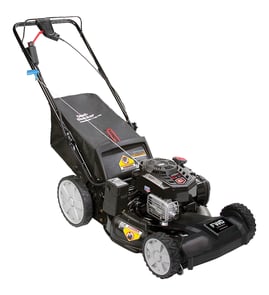


Is it cheaper to repair or replace a lawnmower?
For a Craftsman 917388751 gas walk-behind mower, repairing is usually cheaper when the fix is limited to normal wear items (blade, belt, cable, fasteners) and you do the work yourself. Replacing is often the better value when the engine or drive system needs major labor or multiple parts at once.
Quick rule of thumb
- Repair when the mower starts and runs well, but has a specific problem (won’t self-propel, poor cut, hard to push).
- Replace when the mower has repeated no-start issues, heavy smoke, low compression symptoms, or the deck/engine has major damage.
- Repair first if the issue matches a maintenance item listed in the owner's manual.
Common repairs that usually make sense
These are typical, targeted fixes that often cost far less than a new mower:
- Replace a worn drive belt such as the belt, 21-in 532406712 (self-propel problems).
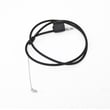
- Replace a stretched or damaged control cable such as the lawn mower zone control cable 532162778 (engine stop or blade control issues).
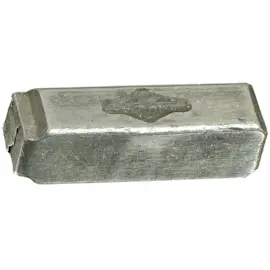
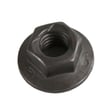
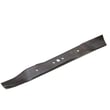
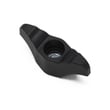
- Replace a damaged blade adapter such as the lawn mower blade adapter 581547901 (vibration, blade won’t stay tight).
- Tighten or replace basic hardware (nuts, bolts, washers) after checking for loose fasteners.
| Situation | Repair vs replace | Why |
|---|---|---|
| Mower runs, but won’t move | Repair | Often belt or drive components, usually straightforward |
| Hard to push, bag not filling, uneven cut | Repair | Commonly cutting height, blade condition, deck buildup |
| Frequent stalling/no-start across multiple seasons | Replace | Typically becomes a time and parts cycle |
| Major engine damage or bent crankshaft symptoms | Replace | High labor and uncertain long-term reliability |
What to check before you decide
- Maintenance basics: oil level, air filter condition, spark plug condition, and loose fasteners.
- Cutting system: blade sharpness, blade bolt tightness, and underside deck buildup.
- Drive and controls (if equipped): belt wear, cable operation, and handle adjustments.
Why it matters
A mower that is maintained, lubricated, and tuned up on schedule lasts longer and costs less to own. The manual also notes that many common wear items (blades, blade adapters, belts, air cleaners, spark plug) are expendable parts, so budgeting for periodic replacement is normal.
Last updated: February 2026
Should I use 87 or 89 gas for lawn mower?
Use 87 octane (regular unleaded) in your Craftsman 917388751 gas walk-behind mower. The manual specifies regular unleaded gasoline with a minimum of 87 octane; using 89 does not improve performance and can add unnecessary cost. See the fuel section in the owner's manual.
Fuel type guidelines for model 917388751
- Use fresh, clean, regular unleaded gasoline (minimum 87 octane).
- Do not mix oil with gasoline (this is a 4-cycle engine setup).
- Fill the tank to the bottom of the filler neck; do not overfill.
- Buy fuel you can use within 30 days to help prevent starting and running issues.
- Avoid alcohol-blended fuel problems during storage; ethanol blends can attract moisture and contribute to fuel system damage over time.
87 vs 89: what changes (and what does not)
| Option | Works in this mower? | Benefit | Best use case |
|---|---|---|---|
| 87 octane (regular) | Yes | Matches the manual requirement | Everyday mowing |
| 89 octane (mid-grade) | Yes | No practical gain for this engine | Only if 87 is unavailable |
Why it matters
Using the correct octane and keeping fuel fresh helps prevent hard starting, rough running, and storage-related fuel issues. For this mower, octane above 87 is not the fix for performance problems; maintenance items like oil level, air filter condition, and spark plug health matter more.
If you are troubleshooting poor running
- Drain old fuel and refill with fresh 87 octane
- Check engine oil level before use
- Inspect/replace the air filter and spark plug on schedule
- Make sure the blade is not bent and the deck is not packed with wet grass
Last updated: February 2026
What are the common problems with Craftsman lawn mowers?
Common problems on the Craftsman 917388751 gas walk-behind lawn mower are no-start conditions, loss of power, poor or uneven cutting, excessive vibration, and a starter rope that is hard to pull. Most issues trace back to fuel, airflow, blade/deck buildup, cutting height, or worn drive and control components; our owner's manual troubleshooting chart walks you through the checks.
Most common symptoms and what usually causes them
- Won't start or starts then dies: stale fuel, dirty air filter, spark plug issues, control bar not held to the handle, fuel valve not in ON.
- Loss of power: cutting too much grass, deck packed with clippings, dirty air filter, oil level too high, walking speed too fast.
- Poor cut or uneven cut: worn or bent blade, uneven wheel height settings, debris buildup under the deck.
- Excessive vibration: loose or damaged blade, bent crankshaft, damaged blade adapter.
- Starter rope hard to pull: blade dragging in grass, cutting height too low, flywheel brake engaged when the control bar is released.
Quick checks we recommend first (fast, high-impact)
- Set the cutting height higher if the mower bogs down in tall or wet grass.
- Clean grass, leaves, and debris from under the mower deck (with the spark plug wire disconnected).
- Check the air filter and replace it if dirty.
- Confirm the control bar is fully depressed to the handle during starting and operation.
- Verify oil is at the correct level (overfilled oil can cause running problems).
Parts that commonly wear and affect performance
These are typical wear items called out in the manual as “expendable” parts; replacing them restores cutting and drive performance.
| Problem area | Common wear item | Example part for this model |
|---|---|---|
| Self-propel drive slips or won’t pull | Drive belt | Belt, 21-in 532406712 |
| Rough cut, vibration, poor mulching | Blade adapter or blade hardware | Lawn mower blade adapter 581547901 |
| Engine won’t keep running when you release/hold controls | Zone control cable | Lawn mower zone control cable 532162778 |
Why it matters
Catching these problems early prevents engine overload, reduces vibration-related damage, and improves cut quality and bagging. The manual also notes that raising cut height and slowing down in heavy grass helps avoid clumping and power loss.
Last updated: February 2026
What year is Craftsman Model 917388751?
Craftsman model 917388751 is identified in the documentation as a Craftsman rotary lawn mower model number, but the year of manufacture is not encoded in the model number itself. To determine the year, we use the mower’s product ID/date code (typically on the deck or rear housing) and match it using the owner's manual.
How to find the year on a Craftsman 917388751 mower
Look for a sticker or stamped tag on the mower (commonly on the rear of the deck, near the wheels, or around the engine mounting area). Then use these checks:
- Find the product ID/date code label (not the model number decal)
- Write down every digit and letter exactly as shown
- Check for a 6-digit date-style code (often formatted like MMDDYY)
- If you see multiple numbers, record the serial number too
- Compare what you find to the identification section in the owner's manual
Common code formats you may see (and what they mean)
Different Craftsman walk-behind mowers used different label formats over the years. Here are the most common patterns:
| What you find on the mower | What it usually indicates | Example interpretation |
|---|---|---|
| 6 digits like MMDDYY | Build or label date | 072811 = July 28, 2011 |
| Longer serial/product number | Production run tracking | Use manual guidance to decode |
| Engine model/type/code (Briggs and Stratton) | Engine build info, not mower model year | Helps narrow timeframe |
Why it matters
Knowing the correct year helps us match the right parts and diagrams for your Craftsman 917388751, especially for wear items like the blade adapter, belt, and control cable.
Parts that commonly depend on exact identification
- Blade mounting hardware and adapters (example: lawn mower blade adapter 581547901)
- Drive components (example: belt, 21-in 532406712)
- Safety and control parts (example: lawn mower zone control cable 532162778)
Last updated: February 2026