

How to decode briggs and stratton engine model number?
On a Briggs lawn and garden engine like model 123K02-0181-E1, the engine ID is typically split into three parts: model, type, and code. The model identifies the basic engine family, the type narrows down the exact configuration, and the code is the production date information used to match the correct parts.
What each section means
- Model: The first group of characters (example: 123K02) identifies the engine design and key specs family.
- Type: The next group (example: 0181) identifies the exact build variation (carburetor, governor, starter, crankshaft details, etc.).
- Code: The last group (example: E1) is used for production identification; it helps confirm the correct parts version when changes occurred during manufacturing.
Where to find the numbers on the engine
Most Briggs engines have the model/type/code stamped or printed on one of these areas:
- Valve cover area
- Blower housing (recoil starter shroud)
- Muffler heat shield area
- Above the spark plug
- Near the flywheel
Why decoding matters for parts lookup
Briggs engines often have small design changes within the same model family. Using model + type + code helps ensure you get the right replacement part the first time.
| What you have | What it’s best for | Example from 123K02-0181-E1 |
|---|---|---|
| Model only | General identification | 123K02 |
| Model + type | Correct configuration match | 123K02-0181 |
| Model + type + code | Best match for exact production run | 123K02-0181-E1 |
Common parts affected by type/code differences
If you are troubleshooting or ordering parts for 123K02-0181-E1, these are the items most likely to vary by type/code:
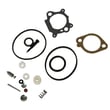
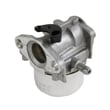
- Carburetor and gaskets (example: Briggs & stratton lawn & garden equipment engine carburetor 799868)
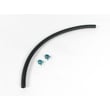
- Fuel system parts (example: Briggs & statton fuel line (red) 791766)
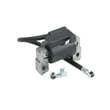
- Ignition parts (coil, flywheel key)
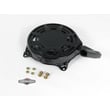
- Recoil starter parts (rope, handle, housing)
Why it matters
Decoding the engine model number prevents mismatched parts, repeat repairs, and hard-start or poor-running issues caused by installing a similar looking but incorrect carburetor, gasket, or ignition component.
Last updated: February 2026
How do I find the specs for my Briggs & Stratton engine?
For a Briggs 123K02-0181-E1 lawn and garden engine, the fastest way to get the correct specs is to use the engine identification numbers (Model, Type, and Code) stamped on the engine. Those numbers match you to the exact horsepower family, tune-up specs, and parts list for your build.
Where to find the Model, Type, and Code numbers
Look for a stamped label or etched numbers on the engine itself. Common locations include:
- On the blower housing (recoil starter cover)
- On the valve cover
- Near the spark plug area
- Near the muffler or muffler heat shield
- On a metal tag or sticker on the engine shroud
If the numbers are dirty or faint, wipe the area and use a flashlight; a phone camera zoom often makes the stamping easier to read.
What specs you can typically look up once you have the ID
Once you have Model, Type, and Code, you can pull the exact specs for your engine build, such as:
- Spark plug type and gap
- Oil type and crankcase capacity
- Governor and idle speed settings
- Carburetor settings and linkage diagrams
- Fuel line routing and filter setup
- Maintenance intervals and tune-up parts
Parts that commonly relate to “spec” issues
Many “spec” questions come up during tune-ups or no-start troubleshooting. These model-matched parts are often involved:
| Symptom or task | Spec you need | Part that may apply |
|---|---|---|
| Hard starting, won’t stay running | Fuel routing, carb settings | Briggs & statton fuel line (red) 791766 |
| Pull cord frays or won’t retract | Rope length, recoil setup | Briggs & statton starter rope 697316 |
| Runs rough after air box service | Air leak sealing surfaces | Briggs & statton air cleaner gasket 795629 |
| Backfires or won’t start after impact | Flywheel key alignment | Briggs & statton key 222698S |
Why it matters
Briggs engines can share similar model numbers but have different Type and Code variations. Using the full Model, Type, and Code prevents ordering the wrong carburetor, ignition parts, or tune-up components and ensures the specs you follow match your exact 123K02-0181-E1 build.
Last updated: February 2026
How do I tell what HP my Briggs and Stratton engine is?
For your Briggs 123K02-0181-E1 lawn and garden engine, the most reliable way to tell horsepower is to use the engine’s Model, Type, and Code numbers from the blower housing and look up the engine specs; many engines do not print an exact HP number on the shroud.
Where to find the numbers you need
On Briggs engines, the identification is typically stamped or printed on the blower housing (the metal cover over the flywheel) or near the muffler area.
Check these common spots:
- Blower housing above the spark plug
- Valve cover area
- Muffler heat shield area
- Recoil starter housing
- Near the carburetor mounting area
What to record (and why)
Write down all three identifiers exactly as shown:
- Model: identifies the engine family (yours is 123K02-0181-E1)
- Type: narrows down the exact build configuration
- Code: indicates the production date and revision
Quick ID guide
| Marking | What it tells you | Why it matters for HP/specs |
|---|---|---|
| Model | Engine series and displacement family | Gets you into the correct spec group |
| Type | Exact configuration | Differentiates carburetion, governor, and equipment |
| Code | Build date | Helps match the correct parts and spec sheet |
How to estimate HP if you cannot do a lookup
If you need a practical estimate, small vertical-shaft mower engines in the 12 cubic inch class are commonly marketed around 3.5 to 4.5 HP (ratings vary by manufacturer method and year). Use this only as a rough guide for comparing engines, not for ordering parts.
Why it matters
Horsepower marketing labels vary, but the Model, Type, and Code consistently identify the correct engine specifications and the correct replacement parts (carburetor, fuel system, ignition, and starter components).
Parts that often get replaced when performance feels “low HP”
If the engine feels weak, it is often a fuel or ignition issue rather than true HP loss. These model-matched parts are common fixes:
- Briggs & statton lawn & garden equipment engine carburetor 799868 (fuel metering)
- Briggs & statton fuel line (red) 791766 (fuel delivery)
- Briggs & statton air cleaner gasket 795629 (air leaks at filter base)
Last updated: February 2026