 Error Codes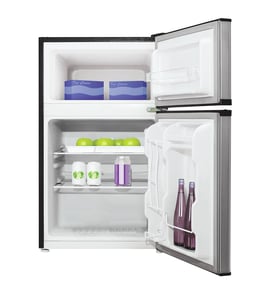





Does KitchenAid make a 33 inch wide refrigerator?
Yes. KitchenAid makes 33-inch-wide refrigerators, including full-size French door models. Your KitchenAid KUBL214KSB00 is a 24-inch under-counter beverage center, so a 33-inch-wide KitchenAid refrigerator would be a different product line and model.
Quick sizing reality check (so you buy the right fit)
When shoppers say “33-inch refrigerator,” they usually mean the cabinet width of a full-size kitchen refrigerator, not an under-counter unit.
- Under-counter beverage centers (like KUBL214KSB00) are typically built for a 24-inch opening.
- 33-inch refrigerators are typically full-height kitchen refrigerators.
- Always measure the opening width, height, and depth, plus door swing clearance.
- Confirm whether you need standard depth or counter depth.
- Plan for ventilation clearance (especially in tight cabinetry).
What to compare before choosing a 33-inch model
Use this checklist to avoid a fit or airflow problem:
| What to check | Why it matters | What to measure |
|---|---|---|
| Opening width | Prevents install surprises | Side-to-side at front and back |
| Height clearance | Avoids hinge and cabinet conflicts | Floor to underside of cabinet |
| Depth and door swing | Ensures doors open fully | Wall to front edge, plus swing arc |
| Venting requirements | Prevents overheating and poor cooling | Toe-kick and rear clearances |
Why it matters
A 33-inch-wide refrigerator is a major change from a 24-inch under-counter beverage center. Getting the width right is only part of the job; height, depth, and ventilation determine whether the refrigerator cools properly and fits your kitchen.
Related parts note for KUBL214KSB00
If you are repairing your current under-counter unit instead of replacing it, we list model-specific parts for KUBL214KSB00, such as the kick plate W11360218 and sash gasket W11360665.
Last updated: February 2026
What is the most common problem with a KitchenAid refrigerator?
The most common KitchenAid refrigerator issue is poor cooling or temperature swings caused by airflow problems (dirty condenser coils, a weak fan, or frost buildup). On the KitchenAid KUBL214KSB00 beverage center, the same pattern shows up as warm cabinet temps, longer run times, and unusual fan or compressor noise.
Most common symptoms we see
- Refrigerator not cold enough or temperature fluctuates
- Unit runs constantly or cycles too often
- Buzzing, rattling, or clicking noises
- Frost buildup that reduces airflow
- Door not sealing well, causing warm spots and moisture
Quick checks that solve many “not cooling” complaints
- Clean the condenser area (dust buildup makes the system run hot and cool poorly).
- Confirm the door seals tightly; a poor seal pulls in warm air and forces longer run times.
- Listen for airflow inside the cabinet; weak airflow often points to a fan issue.
- Check for frost restriction; heavy frost can block air movement and mimic a cooling failure.
- Verify the unit has ventilation clearance (especially important for under-counter installs).
Parts that commonly relate to these problems (KUBL214KSB00)
| Problem pattern | What it often points to | Example part on this model |
|---|---|---|
| Warm temps plus weak/no airflow | Fan not moving air | Fan motor as W11360536 |
| Moisture, warm spots near door, longer run time | Air leak at door | Sash gasket W11360665 or sash gasket W11360666 |
| Clicking or hard-start symptoms | Start components or compressor circuit | Capacitor W11538053 |
Why it matters
When airflow is restricted or warm air leaks in, the compressor has to run longer to maintain temperature. That increases noise, energy use, and wear on sealed-system and electrical components.
Last updated: February 2026
What is the average lifespan of a KitchenAid refrigerator?
Most KitchenAid refrigerators last 14 to 17 years on average with normal household use and basic maintenance. For a built-in undercounter beverage center like KitchenAid KUBL214KSB00, keeping airflow clear and the door sealing tightly has the biggest impact on reaching that lifespan.
What affects lifespan the most
- Condenser cleanliness and airflow: Dust buildup and blocked ventilation make the compressor run hotter and longer.
- Door seal condition: A leaking gasket forces longer run times and can cause temperature swings.
- Room temperature and installation: Tight enclosures and high ambient heat shorten component life.
- Loading habits: Overpacking reduces air circulation and increases run time.
- Power quality: Frequent outages or surges can stress the control board and compressor start components.
Quick maintenance checklist (high impact, low effort)
- Vacuum dust from the grille and intake areas regularly.
- Keep the kick area clear so the unit can breathe; replace a damaged kick plate W11360218 if airflow is restricted.
- Inspect the door seal for gaps, tears, or hardening; replace the correct sash gasket W11360665 or sash gasket W11360666 if the seal is not tight.
- Confirm the door closes squarely and does not sag; a loose hinge cover can be a clue (see cover hinge W11360661 or cover hinge W11360664).
- Listen for unusual fan noise or warm cabinet edges that are getting hotter than normal; those are early warning signs.
Common “end-of-life” symptoms and what they usually point to
| Symptom | Most common cause | Typical next step |
|---|---|---|
| Runs constantly, struggles to hold temp | Airflow restriction or door seal leak | Clean airflow path; check gasket fit |
| Loud humming, clicking, or won’t start | Compressor start issue | Test start components; consider capacitor W11538053 |
| Warm interior with fan running | Sealed system or compressor problem | Professional sealed-system diagnosis |
| Frost buildup or erratic temps | Defrost control issue | Check defrost components such as whirlpool defrost hold W11359416 |
Why it matters
A compact undercounter refrigerator like the KUBL214KSB00 is designed to run many hours per day. Small issues (especially a weak door seal or restricted ventilation) can add thousands of extra compressor run hours over time, which is the fastest way to shorten overall lifespan.
Last updated: February 2026
Can I replace fridge parts myself?
Yes. On the KitchenAid KUBL214KSB00 compact refrigerator (24-inch undercounter beverage center), you can replace many non-sealed-system parts yourself, such as door gaskets, racks, and covers, using basic hand tools. For sealed-system and high-voltage repairs, we recommend using a qualified technician.
Good DIY replacements vs. pro-only repairs
DIY-friendly (most homeowners):
- Door seal and trim style parts (air leaks, condensation)
- Interior racks and hardware (fit and storage issues)
- Covers and panels (cosmetic protection)
- Basic fasteners (missing or stripped screws)
- Some electrical modules only if you can safely disconnect and reconnect wiring
Typically pro-only (sealed system or advanced electrical):
- Refrigerant system work (leaks, restrictions, recharging)
- Compressor replacement and sealed-system brazing
- Diagnosing control-board failures when symptoms are intermittent
Parts on this model that are commonly DIY
If your issue matches one of these symptoms, these model-specific parts are often the right starting point:
- Door not sealing, sweating, or temperature swings: sash gasket W11360665 or sash gasket W11360666
- Door hinge cover damaged or loose: cover hinge W11360661 or cover hinge W11360664
- Fan noise or warm cabinet: fan motor as W11360536
- Missing toe-kick or airflow blocked at the bottom: kick plate W11360218
Before you start (quick checklist)
- Unplug the unit (or switch off the breaker) before removing panels or touching wiring.
- Take photos of wire connections and screw locations as you disassemble.
- Keep screws sorted by location; undercounter units often use different lengths.
- Confirm the door swing before ordering a door assembly (left-hinged vs. right-hinged).
- After reassembly, verify the door closes squarely and the gasket contacts all the way around.
Door-related parts: what to choose
| If your beverage center has | Typical replacement to consider | Why it helps |
|---|---|---|
| Air leaks or moisture around the door | Sash gasket | Restores the seal and stabilizes temperatures |
| Cosmetic hinge cover cracked or missing | Cover hinge | Protects hinge area and improves fit/finish |
| Door itself is damaged or won’t align | Door assembly | Corrects structural alignment issues |
Why it matters
DIY replacement of fit-and-seal parts on the KUBL214KSB00 can quickly improve temperature stability, reduce condensation, and prevent the compressor from running longer than necessary. Sealed-system repairs are different because they involve refrigerant handling and specialized tools.
Last updated: February 2026





