
What are the most common issues with PM0401851?
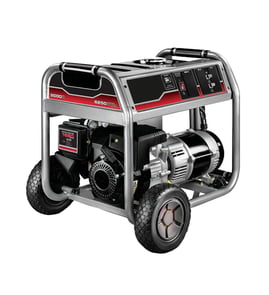
The most common problems we see with the Coleman PM0401851 generator are no-start or hard-start conditions, low or no AC output, and surging under load. These issues usually trace back to fuel quality, ignition/spark, airflow, or basic electrical protection components.
Common symptoms and likely causes
- Won’t start / starts then dies: stale fuel, clogged carburetor jets, dirty air filter, fouled spark plug, low oil shutdown (if equipped)
- Surging or hunting: partially clogged carburetor, air leak at intake, fuel cap vent restriction, load too light
- No AC output: tripped breaker, bad receptacle, loose wiring, failed capacitor (if used), loss of residual magnetism
- Low voltage / weak power: overloaded generator, engine speed (RPM) too low, dirty connections, failing voltage regulation components
- Runs rough: old fuel, water in fuel, restricted airflow, incorrect choke position
Quick checks we recommend (in order)
- Fuel: drain old gas; refill with fresh fuel (and stabilizer if it will sit).
- Air and spark: inspect/clean air filter; check spark plug condition and gap.
- Load test: unplug everything; start the generator; then add one known-good load at a time.
- Protection devices: reset any breakers; inspect outlets for heat damage.
- Basic electrical testing: verify AC output at the receptacle with a meter.
Simple troubleshooting table
| Symptom | What to check first | What it points to |
|---|---|---|
| No start | Fresh fuel, choke, spark plug | Fuel delivery or ignition |
| Surging | Carburetor cleanliness, air leaks | Lean fuel mixture |
| No AC output | Breaker reset, receptacle, wiring | Output circuit issue |
| Low voltage | Overload, engine RPM | Speed regulation or load |
Why it matters
Generators like the PM0401851 are sensitive to fuel varnish and small airflow restrictions; fixing the root cause prevents repeated no-starts, protects connected equipment from low voltage, and reduces overheating.
Helpful DIY resource
If you need to confirm whether power is present at the outlet or trace a wiring issue, use how to use a multimeter to test electrical parts video.
Last updated: March 2026
What engine is in a Coleman PM0401851?
The Coleman generator model PM0401851 is typically equipped with a Briggs & Stratton 4-cycle engine in the 3 to 3.5 HP range. This is the common engine configuration used on this portable 1,500 running watt class generator.
How to confirm the exact engine on your unit
We recommend verifying the engine make and model from the engine’s ID label (not the generator frame label). Check these spots:
- On the blower housing (recoil starter cover)
- Near the spark plug area
- On the valve cover or muffler side shroud
- Stamped into the engine block (some versions)
If you find a Briggs & Stratton code set, it’s usually:
| What you’ll see | What it tells you |
|---|---|
| Model | Engine family/model identifier |
| Type | Configuration/version |
| Code | Build date code |
Why the engine ID matters for parts
On the PM0401851, many service items are engine-specific. Using the engine ID helps match the right:
- Spark plug
- Air filter
- Carburetor or carburetor kit
- Recoil starter parts
- Fuel shutoff and fuel line fittings
Quick safety checks before inspecting
- Shut the generator off and let it cool completely
- Turn the fuel valve to OFF (if equipped)
- Disconnect the spark plug wire before touching moving parts
For safe electrical testing and troubleshooting steps, use our guide: how to use a multimeter to test electrical parts video.
Why it matters
The generator model number (PM0401851) identifies the frame and alternator system, but the engine label is what ensures you get correct tune-up and fuel-system parts.
Last updated: February 2026
What is the 20/20/20 rule for generators?
For a Coleman generator like model PM0401851, the 20/20/20 rule is a simple safety checklist: run the generator 20 feet from your home (away from doors, windows, and vents), let it cool 20 minutes before refueling, and use a $20 carbon monoxide (CO) alarm inside the home.
What each “20” means
- 20 feet away: Reduces the risk of carbon monoxide entering living spaces.
- 20 minutes to cool: Lowers the chance of fuel igniting on hot engine parts.
- $20 CO alarm: Adds an extra layer of protection by alerting you to dangerous CO levels.
Quick setup checklist (PM0401851)
- Place the generator outdoors on a firm, level surface.
- Point the exhaust away from the house and any occupied areas.
- Keep it at least 20 feet from doors, windows, soffit vents, crawlspace vents, and garage openings.
- Shut the generator off and let it cool 20 minutes before adding fuel.
- Use heavy-duty outdoor-rated extension cords (or a properly installed transfer setup) to prevent overheating and backfeed hazards.
Why it matters
Portable generators produce carbon monoxide and high heat. The 20/20/20 rule helps prevent CO poisoning, flash fires during refueling, and unsafe power connections during an outage.
20/20/20 at a glance
| Rule step | What you do | What it helps prevent |
|---|---|---|
| 20 feet | Run outdoors, away from openings | CO entering the home |
| 20 minutes | Cool down before refueling | Fuel ignition, burns |
| $20 alarm | Use a CO alarm indoors | Delayed CO detection |
Helpful DIY electrical testing tips
If you are troubleshooting power output, breakers, or wiring issues on a generator, safe testing practices matter.
- Use the right meter setting before probing
- Verify the meter on a known live source first
- Inspect cords for cuts, melted insulation, or loose plugs
For a quick refresher, see how to use a multimeter to test electrical parts video.
Last updated: February 2026