


What is the average lifespan of a central air conditioning unit?
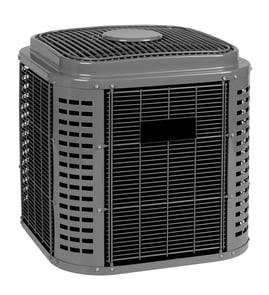
Most central air conditioners last 15 to 20 years with normal use and regular maintenance. For your Icp CA5530VKD1 central air conditioner, keeping airflow clear, electrical connections tight, and the outdoor unit clean helps you reach that typical service life.
Typical lifespan ranges
- Average (most homes): 15 to 20 years
- Shorter lifespan (heavy run time, poor maintenance): 10 to 15 years
- Longer lifespan (mild climate, excellent maintenance): 20 years
What shortens (or extends) A/C life
- Dirty condenser coil and blocked outdoor airflow
- Low refrigerant from a leak (often shows up as poor cooling and long run times)
- Electrical wear from frequent cycling (contactor and capacitor stress)
- Oversized or undersized system for the home
- Lack of seasonal cleaning and inspection
Quick maintenance checklist (owner-safe)
- Shut off power at the disconnect before cleaning around the outdoor unit
- Keep 2 feet of clearance around the condenser; remove leaves and debris
- Rinse the outdoor coil gently from the outside in (no pressure washer)
- Replace or clean the indoor air filter regularly (a clogged filter strains the system)
- Listen for new noises from the condenser fan; address them early
Parts that commonly affect reliability
If your unit is running but not cooling well, not starting, or the outdoor fan is not spinning, these are common wear items to check and replace as needed:
| Symptom | Common suspect part | Example part for CA5530VKD1 |
|---|---|---|
| Outdoor unit will not start | Contactor | Contactor (part number 1050699) |
| Hums, overheats, or trips breaker | Fan motor or fan blade issue | Fan motor 1086598 or fan blade 1085958 |
Why it matters
A central air conditioner near the end of its lifespan often runs longer to meet the thermostat setting, which increases energy use and accelerates wear on components like the contactor and condenser fan motor.
Last updated: February 2026
Which company is best for central AC?
The “best” central AC company depends on your home’s load calculation, ductwork condition, climate, and installer quality. For an Icp CA5530VKD1 central air conditioner, the most reliable results come from choosing a properly sized, correctly installed system and keeping key electrical and airflow parts in good shape.
What to prioritize when choosing a central AC brand
- Correct sizing (tons/BTU) based on a load calculation, not the old unit size
- Installer quality (refrigerant charge, airflow setup, electrical connections)
- Parts availability for common repairs like contactors and fan motors
- Efficiency rating that fits your budget and usage
- Warranty terms and what is covered (parts vs. labor)
Quick comparison: what “best” usually means
| What you care about most | What to look for | Why it helps |
|---|---|---|
| Lowest breakdown risk | Proven design plus strong local service | Fewer no-cool calls in peak season |
| Lower electric bills | Higher efficiency equipment and correct airflow | Better comfort per dollar |
| Lower upfront cost | Standard-efficiency models | Lower purchase price |
| Easier repairs | Common, widely stocked components | Faster turnaround when it fails |
Why it matters for model CA5530VKD1
Even the best brand will struggle if the outdoor unit has weak electrical switching or poor condenser airflow. On this model, two common, high-impact items are the contactor and the condenser fan motor.
Parts that often affect reliability
- A pitted or sticking contactor can prevent the compressor and fan from starting
- A failing fan motor can cause overheating and shutdowns
- A damaged fan blade can reduce airflow and raise head pressure
If you are troubleshooting frequent no-cool or hard-start symptoms, start with the parts list for CA5530VKD1 and consider the fan motor 1086598 and fan blade 1085958 when symptoms point to condenser airflow problems.
Practical buying guidance
- Match the system to your home’s needs first; brand is secondary
- Budget for professional installation and commissioning
- Plan routine maintenance: coil cleaning, airflow checks, and electrical inspection
Last updated: February 2026
How much should a central air conditioning unit cost?
A typical installed central air conditioner costs about $3,000 to $15,000+ depending on size (tonnage), efficiency (SEER2 rating), your home’s ductwork, and labor rates. For an Icp CA5530VKD1 system replacement, the final price is driven as much by installation scope as by the outdoor unit itself.
What drives the price the most
- System size (tons/BTU capacity): larger homes need larger equipment
- Efficiency level (SEER2): higher efficiency usually costs more up front
- Ductwork condition: repairs, sealing, or resizing can add significant cost
- Electrical and pad work: disconnect, wiring, breaker, or condenser pad updates
- Refrigerant line set work: flushing, resizing, or replacing lines
- Permits and commissioning: required in many areas for code compliance
Typical cost ranges (installed)
| What you’re paying for | Common range | Notes |
|---|---|---|
| Outdoor condenser + indoor coil swap | $3,000 to $10,000 | Most common “like-for-like” replacement scope |
| Higher-efficiency equipment upgrade | $6,000 to $15,000+ | Often includes additional setup and airflow adjustments |
| Ductwork modifications (add-on) | $1,000 to $5,000+ | Varies widely by access and duct condition |
Quick ways to keep quotes apples-to-apples
- Ask for the exact model numbers of the proposed condenser and indoor coil
- Confirm whether the quote includes line set work (reuse vs replace)
- Verify thermostat and electrical work are included or excluded
- Make sure the contractor lists permit and startup/commissioning steps
- Compare labor warranty terms separately from parts coverage
Why it matters
Central AC pricing varies because comfort and reliability depend on correct sizing, airflow, and electrical setup. A lower bid that skips duct sealing or proper startup can lead to higher energy use, poor cooling, and shorter compressor life.
Parts note for CA5530VKD1 owners
If you are repairing instead of replacing, common service parts for this model include the fan motor 1086598 and fan blade 1085958. For electrical no-cool issues, the contactor is also a frequent suspect.
Last updated: February 2026
How big of an AC unit is needed for a 2000 sq ft house?
For a 2,000 sq ft house, most homes need about a 3 to 4 ton central air conditioner (roughly 36,000 to 48,000 BTU/hr). The correct size depends on insulation, windows, ceiling height, duct leakage, and climate; proper sizing prevents short-cycling and humidity problems.
Quick sizing rule of thumb
A common starting point is 18 to 24 BTU per sq ft for many homes.
- 2,000 sq ft × 18 BTU = 36,000 BTU/hr (about 3 tons)
- 2,000 sq ft × 24 BTU = 48,000 BTU/hr (about 4 tons)
- Plan for a load calculation when comfort or humidity is a priority
Typical outcomes by home condition
- Tighter, well-insulated home: closer to 3 tons
- Average insulation and windows: often 3.0 to 3.5 tons
- Hot climate, high sun exposure, older windows: closer to 3.5 to 4 tons
Sizing snapshot table
| Home factors | Likely tonnage range | If the system is the wrong size |
|---|---|---|
| Efficient envelope, shaded windows | 3.0 | Oversized: short cycles, clammy air |
| Typical construction | 3.0 to 3.5 | Undersized: long run times |
| Hot climate, high sun load | 3.5 to 4.0 | Oversized: uneven temps, frequent starts |
Why it matters
Correct tonnage affects comfort, energy use, and equipment life. Oversizing reduces run time and dehumidification; undersizing increases run time and strain during peak heat.
If you are repairing an Icp CA5530VKD1
Sizing your home and repairing your Icp CA5530VKD1 are separate tasks, but airflow and electrical health still impact performance. If the outdoor fan is not running or is overheating, a common repair is replacing the fan motor 1086598.
Last updated: February 2026