View engine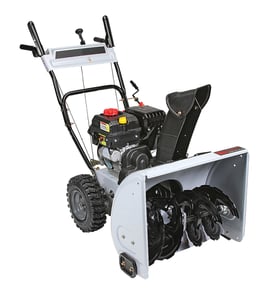




Is a 3 stage snow blower better than a 2 stage?
A 3-stage snow blower is better than a 2-stage when you regularly deal with deep, heavy, wet, or icy snow and need faster intake and throwing performance. For most homeowners using a Poulan 96192000100 gas snow blower on typical driveway snowfalls, a 2-stage design is the best balance of power, weight, and upkeep.
| Feature | 2-stage snow blower | 3-stage snow blower |
|---|---|---|
| Snow handling | Great for moderate to heavy snow | Best for deep, wet, packed, or icy snow |
| Intake speed | Strong | Faster (extra accelerator helps feed snow) |
| Weight and size | Usually lighter and easier to maneuver | Usually heavier and bulkier |
| Maintenance | Fewer moving parts | More moving parts to inspect and service |
| Best fit | Most residential driveways | Large areas, end-of-driveway plow berms, tough conditions |
We recommend choosing based on conditions, not just “more stages”:
- Snow type: Wet, dense snow and plow-packed berms favor 3-stage.
- Snow depth: Frequent deep snow favors 3-stage; typical storms favor 2-stage.
- Surface: Gravel drives often need careful skid shoe setup to avoid picking up stones.
- Maneuverability: Tight spaces and turns favor a lighter 2-stage.
- Upkeep and parts: More stages usually means more wear points (belts, bearings, fasteners).
The “better” machine is the one that matches your snow conditions and the effort you want to put into maintenance. A 3-stage can clear faster in brutal snow, but a 2-stage is often easier to handle and simpler to maintain while still delivering strong performance.
If your current blower struggles, worn wear parts can make a bigger difference than switching stages:
- Shear protection for the auger: snowblower shear bolt 588077502
- Ground clearance and scraping control: snowblower skid shoe, left 532174762
- Auger drive components (when grinding or binding occurs): snowblower auger worm gear 598831601
Last updated: February 2026
Is it cheaper to repair or replace a snowblower?
For a Poulan gas snow blower model 96192000100, it’s cheaper to repair when the problem is a normal wear item or minor damage; replacement makes more sense when the repair total approaches half the cost of a comparable new snowblower or the machine has repeated major failures.
- Repair when the fix is straightforward and parts cost is low (shear bolts, skid shoes, hardware, basic drive issues).
- Replace when you’re facing major drivetrain or auger/gearbox damage, or multiple systems need work at once.
- Decide based on total cost: parts + your time (or labor) + any additional worn items you discover during teardown.
These are typical “high value” repairs because they restore function without rebuilding the whole machine:
- Replace broken shear bolts after an auger jam (use the correct grade and length)
- Replace worn skid shoes to stop scraping and improve clearing height
- Fix traction issues caused by linkage/spring problems
- Replace damaged chute base components that prevent proper discharge control
- Replace stripped fasteners (nuts, bolts, washers) that won’t hold adjustments
| Symptom | Likely wear item | Example part on this model |
|---|---|---|
| Auger stops after hitting ice/rocks | Shear bolt | Snowblower shear bolt 588077502 |
| Scraping, poor glide, uneven clearing | Skid shoe | Snowblower skid shoe, left 532174762 |
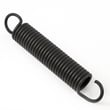
| Drive engagement feels weak or inconsistent | Spring/linkage | Traction spring 532180926 |
Replacement is usually the smarter move when:
- The auger gearbox or internal drive components are damaged (high parts cost, more labor)
- The auger/impeller system is bent or heavily worn and needs multiple major parts
- You have ongoing engine problems plus drivetrain issues (stacked repairs)
- Corrosion or structural wear makes adjustments impossible to hold
| Scenario | Typical outcome | Best choice |
|---|---|---|
| One or two wear parts, machine otherwise solid | Low cost, quick turnaround | Repair |
| Major auger/gearbox work (high-dollar parts) | Cost climbs fast | Replace |
| Multiple systems failing in the same season | Repeat downtime and expense | Replace |
A snowblower is only “cheap to fix” when the repair restores reliability. If you keep chasing repeated failures, you spend more over time and still risk breakdowns mid-storm.
Last updated: February 2026
What is the best gas-powered snowblower?
The best gas-powered snowblower is the one sized to your snowfall and driveway, not a single “best” model. For most homeowners, a two-stage gas snow blower with a 24 to 28 inch clearing width, strong traction, and easy chute control delivers the best mix of power and usability.
- Single-stage: Best for lighter snow and smaller areas; faster to maneuver.
- Two-stage: Best for deeper, heavier, or plowed snow; throws farther and handles packed snow better.
- Three-stage: Best for frequent heavy snow; fastest intake in tough conditions.
- Clearing width: 20 to 24 inches for tight spaces; 24 to 28 inches for most driveways.
- Engine size: Most two-stage units run roughly 200 to 300 cc.
- Electric start: Makes cold starts easier.
- Drive system and tires: Aggressive tread and multiple speeds improve control.
- Chute and deflector control: Quick adjustments reduce clogging and blowback.
- Shear bolts: Protect the auger gearbox when you hit ice chunks or debris.
| Your conditions | Best match | What to prioritize |
|---|---|---|
| Light snow, short driveway | Single-stage gas | Maneuverability, compact storage |
| Moderate to heavy snow | Two-stage gas | Traction, 24 to 28 inch width, electric start |
| Heavy, frequent, plow berms | Three-stage gas | Intake speed, durability, easy chute control |
If you already own a Poulan 96192000100, the “best” upgrade is often restoring performance: worn skid shoes can change scraper height, and missing shear bolts can stop the auger from turning under load. Keeping the machine properly protected and adjusted helps it throw snow farther and reduces breakdowns.
- Snowblower shear bolt 588077502
- Snowblower skid shoe, left 532174762
- Snowblower auger worm gear 598831601
Last updated: February 2026
What is the typical lifespan of a gas snowblower?
A gas snow blower like the Poulan 96192000100 typically lasts 10 to 15 years with normal seasonal use and basic maintenance. In lighter-use situations, many units reach 15 to 20 years; heavy use, poor storage, or skipped maintenance shortens life.
- Light use (few storms per year): 15 to 20 years
- Average residential use: 10 to 15 years
- Heavy use (long driveway, frequent storms): 8 to 12 years
- High-wear components (often replaced sooner): belts, skid shoes, shear bolts, friction/drive parts
A gas snowblower’s lifespan is mostly about engine care, fuel quality, and preventing drivetrain damage.
Extends lifespan
- Fresh fuel and correct oil level before each season
- End-of-season storage with the fuel system protected (so varnish does not form)
- Keeping the auger and impeller clear of ice buildup
- Replacing wear parts before they cause secondary damage
Shortens lifespan
- Running old fuel, especially after off-season storage
- Hitting newspapers, rocks, or frozen debris (auger gearbox stress)
- Operating with loose fasteners or worn skid shoes (housing wear)
If your machine is still starting well but performance is slipping, these are common wear or protection parts to check on the 96192000100:
- Snowblower shear bolt 588077502 (protects the auger gearbox when the auger jams)
- Snowblower skid shoe, left 532174762 (sets scraper height and prevents housing wear)
- Snowblower auger worm gear 598831601 (gearbox wear can show up as grinding or weak auger drive)
| Symptom | Most likely area | What to inspect first |
|---|---|---|
| Auger stops suddenly after hitting something | Auger protection | Shear bolt condition and correct replacement |
| Poor scraping, uneven clearing | Wear/adjustment | Skid shoes and scraper height |
| Grinding, clicking, or weak auger power | Gearbox/drive | Worm gear and auger drive components |
Knowing the typical lifespan helps you decide whether routine maintenance and a few replacement parts make sense, or whether multiple major drivetrain repairs are a sign the snowblower is nearing end-of-life.
Last updated: February 2026