


What is the most expensive part to replace on an AC unit?
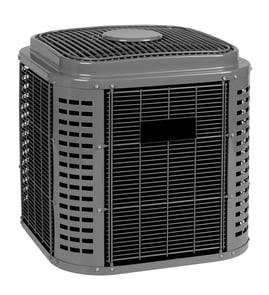
In most central AC systems (including the Icp CA3030QKA1 outdoor cooling condenser), the compressor is typically the most expensive single part to replace because it is a sealed, labor-intensive repair that often involves refrigerant handling. Other high-cost repairs can include major motors and electrical controls.
What usually costs the most (and why)
The compressor sits at the center of the refrigerant cycle, so replacing it is expensive due to both the part cost and the specialized labor involved.
Common “top-cost” items on an outdoor condenser include:
- Compressor (often the highest total repair cost)
- Condenser fan motor (part plus labor)
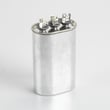
- Electrical controls (contactor, capacitor, wiring repairs)
- Coil-related repairs (labor-intensive cleaning or replacement)
How this relates to your Icp CA3030QKA1
On this model’s parts list, the priciest items we commonly see customers replace are the condenser fan motor and related hardware. For example, a failed fan motor can stop heat rejection at the outdoor unit and quickly lead to overheating and shutdown.
Parts on this page that can be among the higher-cost replacements:
- Central air conditioner condenser fan motor, 1/3-hp 1050703
- Central air conditioner condenser fan motor mount 1051460
Quick cost comparison (typical)
Actual totals vary by region and system condition, but this is the usual ranking for central AC repairs.
| Component | Typical cost rank | Why it runs high |
|---|---|---|
| Compressor | Highest | Sealed system work, refrigerant handling, high labor |
| Fan motor | High | Motor cost plus diagnostic and install time |
| Control parts (contactor/capacitor) | Medium to low | Parts are cheaper; labor is usually the main cost |
Why it matters
When the compressor fails, the repair can approach the value of an older condenser. When a fan motor or capacitor fails, the fix is often much more cost-effective, and catching it early can prevent secondary damage.
Last updated: February 2026
How many square feet will a 30000 BTU air conditioner cool?
A 30,000 BTU air conditioner typically cools about 1,200 to 1,800 square feet in average conditions. For your Icp CA3030QKA1 central air conditioner condenser, the real coverage depends on insulation, ceiling height, sun exposure, duct losses, and local climate.
Typical coverage guidelines (quick estimate)
Use these as a starting point for sizing and expectations:
- Well-insulated, shaded home: closer to 1,600 to 1,800 sq ft
- Average insulation and sun exposure: about 1,300 to 1,600 sq ft
- Poor insulation, lots of sun, high heat/humidity: closer to 1,200 to 1,400 sq ft
- High ceilings (9 ft+): reduce the estimate by 10% to 20%
- Leaky ducts or attic ducts: reduce the estimate by 10% to 30%
What changes the square-foot number the most
A BTU number is only part of the story. These factors often decide whether 30,000 BTU feels “right”:
- Insulation level (attic and walls)
- Window size and direction (west-facing glass adds a lot of load)
- Air leakage (drafts, unsealed penetrations)
- Ceiling height and open floor plans
- Duct condition (leaks, crushed flex duct, poor returns)
- Outdoor design conditions (hotter and more humid climates need more capacity)
Quick reference table
| Home conditions | Typical 30,000 BTU coverage |
|---|---|
| Good insulation, tight ducts | 1,600 to 1,800 sq ft |
| Average home | 1,300 to 1,600 sq ft |
| Poor insulation or high sun load | 1,200 to 1,400 sq ft |
Why it matters
If the system is undersized, it can run constantly and still struggle on the hottest days. If it is oversized, it can cool too fast and leave humidity high, which often feels clammy. Getting airflow and electrical components right also helps the condenser run reliably; common service parts for this model include the capacitor 12986 and central air conditioner condenser fan motor, 1/3-hp 1050703.
Last updated: February 2026
What is the average cost to replace a central AC unit?
Replacing a central AC unit typically costs about $6,000 on average, with many full replacements ranging roughly $1,500 to $12,500 depending on system size (tons/BTUs), efficiency rating, ductwork changes, electrical upgrades, and local labor rates. For your Icp CA3030QKA1 outdoor condenser, the total installed price depends heavily on what else is replaced.
What’s included in “replace the central AC unit”
A full central air replacement can mean different scopes of work. Common line items include:
- Outdoor condenser (like the CA3030QKA1 cooling condenser)
- Indoor evaporator coil (often replaced as a matched set)
- Refrigerant line set work (reuse, flush, or replace)
- Electrical disconnect, whip, and breaker sizing updates
- Condensate drain and safety switch updates
- Permits, startup, and refrigerant charge
Typical cost drivers (what changes the price most)
These factors usually move the price the most from one home to another:
- Capacity and sizing (undersized or oversized systems cost more long-term)
- Efficiency level (higher SEER2 systems cost more upfront)
- Ductwork condition (repairs, sealing, or resizing)
- Refrigerant type and line compatibility
- Access and labor complexity (roof installs, tight pads, long line runs)
Repair vs. replace: a quick comparison
If your CA3030QKA1 is not cooling, a repair may be more cost-effective when the issue is isolated to a common service part.
| Situation | Usually makes sense to… | Why |
|---|---|---|
| Unit runs but fan will not spin | Repair | Often a capacitor or fan motor issue |
| Outdoor unit will not start at all | Diagnose/repair first | Contactor, capacitor, wiring, or controls |
| Repeated major failures or poor efficiency | Replace | Newer systems reduce breakdowns and energy use |
Parts that commonly fail (and affect repair cost)
For this model, common outdoor-unit service parts we see replaced include:
- Capacitor 12986 (weak capacitor can prevent the fan or compressor from starting)
- Central air conditioner condenser fan motor, 1/3-hp 1050703 (failed motor can cause overheating and shutdown)
- Contactor (pitted contacts can stop the condenser from energizing)
Why it matters
A central AC replacement price is mostly labor and system-matching, not just the outdoor condenser. Getting the right size and compatible indoor coil protects comfort, efficiency, and compressor life.
Last updated: February 2026
What is the average lifespan of a central air conditioning unit?
Most central air conditioning units last 15 to 20 years with normal use and regular maintenance. For your Icp CA3030QKA1 cooling condenser, keeping airflow clear and electrical components in good shape is what most directly protects that typical lifespan.
Typical lifespan ranges (what to expect)
- 15 to 20 years: Most modern central AC systems
- 10 to 12 years: Units with heavy run time, poor maintenance, or harsh conditions
- 20+ years: Possible when the system is correctly sized, kept clean, and repaired promptly
What shortens (or extends) lifespan
A central air conditioner fails early most often from heat stress, restricted airflow, and electrical wear.
- Dirty condenser coil or blocked outdoor airflow
- Weak capacitor causing hard starts and overheating
- Worn contactor causing chattering, arcing, or no-start issues
- Failing condenser fan motor or damaged fan blade
- Loose, overheated, or damaged wiring connections
Quick checks that protect the outdoor condenser
Turn off power at the disconnect before inspecting the outdoor unit.
- Keep 2 feet or more of clearance around the condenser for airflow
- Rinse debris from the outdoor coil (gentle water, no pressure washer)
- Listen for fan noise or wobble that can signal a motor or blade problem
- Watch for hard-start symptoms (humming, repeated clicking, slow fan start)
- If the unit will not start, test electrical parts with a meter using safe procedures
Common wear parts for CA3030QKA1 (examples)
These are typical failure items that can impact reliability and service life.
| Symptom | Likely part type | Example part for this model |
|---|---|---|
| Outdoor unit clicks but will not run | Capacitor | Capacitor 12986 |
| Outdoor fan will not spin or overheats | Condenser fan motor | Central air conditioner condenser fan motor, 1/3-hp 1050703 |
| Buzzing, chattering, or no power to compressor/fan | Contactor | Contactor (listed for this model) |
Why it matters
Once a condenser starts hard-starting, overheating, or short-cycling, it puts extra stress on the compressor and electrical system. Fixing small issues early (like a weak capacitor or failing fan motor) is one of the most effective ways to reach the normal 15 to 20 year lifespan.
Last updated: February 2026
How to find AC parts?
For your Icp CA3030QKA1 central air conditioner, the fastest way to find the correct replacement parts is to match your exact model number (CA3030QKA1) to the parts list, then confirm the part name and identifiers before ordering so you get the right fit and electrical rating.
Step-by-step: find the right part for CA3030QKA1
- Confirm the model number on the outdoor condenser data plate: CA3030QKA1
- Identify the symptom (no cooling, fan not running, buzzing, hard start, etc.)
- Match the symptom to the most likely part category (electrical, fan, motor, refrigerant service)
- Cross-check the part description and any ratings printed on the old part (voltage, microfarads, horsepower)
- Order the exact match from the CA3030QKA1 parts list, or search by model on Sears PartsDirect
Common CA3030QKA1 parts customers look for
These are frequently replaced items on outdoor condensers:
- Capacitor 12986 (weak or failed start/run capacitor)
- Central air conditioner condenser fan motor, 1/3-hp 1050703 (fan not spinning or overheats)
- Fan blade 1085684 (bent blade, vibration, noise)
- Contactor (unit will not pull in or chatters; match by specs on the old contactor)
Quick “symptom to part” guide
| What you notice | Most common part to check | What to verify before ordering |
|---|---|---|
| Outdoor unit hums but fan will not spin | Capacitor | Microfarad (uF) rating matches old part |
| Fan runs slow, noisy, or stops | Condenser fan motor | HP, voltage, rotation, shaft size |
| Loud vibration or scraping | Fan blade | Blade diameter, hub bore, pitch |
| Clicking but compressor/fan will not start | Contactor or capacitor | Coil voltage and contact rating (on old part) |
Why it matters
Central air conditioner parts are highly model- and spec-dependent. Matching CA3030QKA1 plus the electrical and mechanical ratings on the original part prevents repeat failures, wiring issues, and poor airflow through the condenser coil.
Last updated: February 2026