
What is a 140 tooth circular saw blade used for?
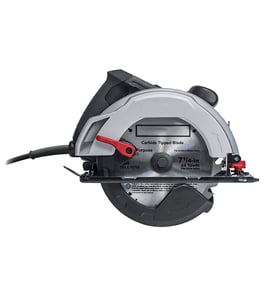
A 140-tooth circular saw blade is used for ultra-smooth, low tear-out cuts in thin sheet goods and delicate surfaces. On a Craftsman 31510940 circular saw, it is a good choice for finish-quality cuts in plywood, veneers, paneling, and laminates when edge quality matters most.
Best uses for a 140-tooth blade
A high tooth count means smaller “bites” per revolution, which helps reduce chipping and splintering.
- Crosscutting plywood and veneered panels
- Trimming laminate or melamine-faced boards (with the right blade style)
- Cutting thin paneling and other finish materials
- Making clean cuts where you want minimal sanding afterward
- Shop projects like shelving, cabinet parts, and trim backers
When a 140-tooth blade is the wrong choice
A 140-tooth blade cuts slower and can overheat or bog down in thicker stock, especially if you push the saw too fast.
- Thick hardwoods or heavy rip cuts (with the grain)
- Fast framing cuts in 2x lumber
- Wet, dirty, or nail-prone construction material
- Long continuous cuts where heat buildup is likely
Quick selection guide
| Material and goal | Recommended tooth count range | Why |
|---|---|---|
| Plywood, clean crosscuts | 60 to 140 | Minimizes tear-out |
| Framing lumber, general cutting | 24 to 40 | Faster chip removal |
| Ripping solid wood | 18 to 30 | Clears sawdust efficiently |
| Laminates and melamine | 80 to 140 | Reduces chipping on the face |
Why it matters
Using the right tooth count helps your Craftsman circular saw cut cleaner, run cooler, and feel more controllable. A blade that is too fine for the job can burn the wood and strain the motor; a blade that is too coarse can splinter the cut line.
For safe DIY habits and setup basics before changing blades or troubleshooting performance, see are diy appliance repairs safe.
Last updated: February 2026
What is the bottom plate of a circular saw called?
On a Craftsman circular saw like model 31510940, the bottom plate is most commonly called the shoe (also called the base or base plate). It is the flat surface that rides on the workpiece and helps you guide the saw for straight and bevel cuts.
Common names you may see
- Shoe
- Base
- Base plate
- Saw plate
- Foot plate
What the shoe does (and why it matters)
The shoe is the reference surface that controls cut accuracy. If it is bent, loose, or out of alignment, the saw can wander, bind, or cut at the wrong bevel angle.
How it relates to straight and bevel cuts
Most circular saws use the shoe as the pivoting platform for bevel adjustments.
| Cut type | Typical shoe position | What to check |
|---|---|---|
| Straight (90 degrees) | Shoe square to blade | Bevel lock tight, shoe not warped |
| Bevel (angled) | Shoe tilted on bevel scale | Bevel scale accuracy, lock holds angle |
Quick checks if cuts are not square
- Unplug the saw before inspecting or adjusting anything.
- Confirm the bevel lock lever or knob fully tightens.
- Check the shoe for bends, cracks, or heavy burrs along the edge.
- Verify the blade is seated correctly and the arbor nut is tight.
- Use a small square against the blade (avoid the teeth) to confirm 90 degrees.
Finding the right part name when ordering
Parts listings may use different wording for the same component. When searching parts for model 31510940, try multiple terms (shoe, base, base plate) and match by diagram location.
For help with model identification when shopping parts, use how to find your appliance model number (and what it means for parts).
Last updated: February 2026
Why is my Craftsman circular saw not spinning?
If your Craftsman circular saw model 31510940 powers on but the blade will not spin, the most common causes are worn motor brushes, a stuck blade or guard, a failed switch, or an electrical problem in the cord or wiring. Start with the simplest checks before testing electrical parts.
Quick checks first (no tools)
- Unplug the saw and confirm the blade spins freely by hand (with gloves); binding points to a jammed guard, bent blade, or debris.
- Make sure the blade bolt is tight and the blade is installed correctly.
- Check that the lower blade guard moves smoothly and returns fully.
- Smell for a burnt odor or look for heavy sparking at the vents during the last use; that often points to brush or motor issues.
Most likely causes and what to do
- Worn motor brushes: Brushes can wear down or chip and stop making solid contact with the armature, so the motor cannot turn. Inspect brushes for cracking, burning, or being too short.
- Bad trigger switch: If the switch contacts are burned, the motor may not get power consistently.
- Damaged power cord or internal wire: A break can cut power under load or when the cord is flexed.
- Seized bearings or motor damage: If the blade will not turn freely or the motor hums but will not spin, internal mechanical drag is likely.
Simple electrical tests (basic DIY)
Use a multimeter if you have one.
- Verify the outlet has power.
- With the saw unplugged, inspect the cord for cuts and the plug for heat damage.
- If you’re comfortable testing, check continuity through the cord and switch.
| Symptom | Most common cause | Best next step |
|---|---|---|
| Motor runs but blade does not turn | Blade jam, guard jam, stripped drive | Check blade/guard movement and binding |
| No sound, no movement | Switch, cord, brushes | Inspect brushes; test cord/switch |
| Hums or sparks heavily | Brushes, armature, bearings | Inspect brushes; stop using until corrected |
Why it matters
A saw that will not spin is often losing power to the motor (brushes, switch, wiring) or is mechanically bound (blade, guard, bearings). Fixing the root cause prevents overheating and further motor damage.
Helpful DIY references: how to use a multimeter to test electrical parts video, how to repair broken or damaged wires video.
Last updated: February 2026
Why is my circular saw stopping mid cut?
On a Craftsman circular saw model 31510940, stopping mid-cut is usually caused by overload (pushing too fast or a dull blade), low power to the tool (cord, outlet, breaker), a binding blade, or an internal electrical issue such as worn brushes, a failing switch, or a weakening motor.
Quick checks that fix most mid-cut shutdowns
- Let the saw do the work: reduce feed pressure and keep the base plate flat.
- Check the blade: replace if dull, warped, missing teeth, or gummed with pitch.
- Match blade to material: use the right tooth count and type for plywood, framing lumber, or ripping.
- Avoid binding: support the work so the kerf stays open; don’t pinch the blade.
- Verify power: try a different outlet; reset any tripped breaker; avoid long, thin extension cords.
- Inspect the cord and plug: look for cuts, loose prongs, or intermittent power when flexed.
Electrical causes (common on older corded saws)
If the saw stops and then runs again after you release the trigger, these are the most common culprits:
- Worn carbon brushes (intermittent contact under load)
- Dirty or failing trigger switch (dust intrusion, heat damage)
- Loose internal connections (vibration opens the circuit)
- Overheating motor (thermal protection behavior on some designs)
Simple symptom guide
| What you notice | Most likely cause | What to do first |
|---|---|---|
| Stops only in thick/hard cuts | Overload, dull blade, binding | New blade; improve support; slower feed |
| Stops randomly, even no-load | Switch, brushes, cord | Inspect cord; check brushes; test switch |
| Stops after running a while | Heat buildup, motor wear | Clean vents; lighter cuts; check brushes |
Safe DIY testing steps
- Unplug the saw before any inspection.
- Blow out dust from vents and around the trigger area (dust can cause heat and switch issues).
- If accessible, check brush length and spring tension; replace as a set if worn.
- Use a multimeter to check continuity through the cord and switch (unplugged): see how to use a multimeter to test electrical parts video.
Why it matters
A saw that stops mid-cut can kick back if the blade binds or power returns unexpectedly. Fixing blade condition, cut support, and power delivery first prevents repeat shutdowns and reduces motor and switch damage.
Last updated: February 2026
