Owner’s manual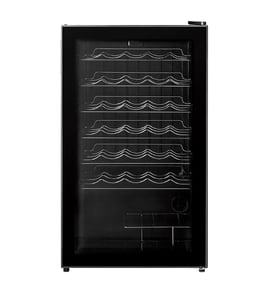

Can wine coolers be repaired?
Yes. Most wine coolers, including the Vinotemp VT34, are repairable when the issue is a serviceable problem such as power loss, incorrect control settings, poor door sealing, airflow and leveling problems, or a failed interior light. We follow the troubleshooting steps in the VT34 owner's manual to pinpoint the cause.
What we check first (fast, common fixes)
- Confirm the unit is plugged in and the outlet has power.
- Reset a tripped breaker or replace a blown fuse.
- Verify the temperature control is set to a cooling position (not effectively off).
- Make sure the door closes fully and is not being opened too often.
- Confirm the cooler is level and has proper ventilation clearance (typically 1 inch on each side and 4 inches at the back).
- If the interior light is out, check the bulb and the door switch.
Troubleshooting guide: symptom to likely cause
| Symptom | Most likely cause | What to do next |
|---|---|---|
| Not cooling at all | No power, control setting, door not sealing | Check power, set control, inspect door seal and closure |
| Runs frequently | Warm room, frequent door openings, poor seal | Reduce openings, improve seal, verify placement and clearance |
| Light not working | Burned-out bulb or switch issue | Unplug, replace bulb, confirm switch operation |
| Gurgling or whooshing noise | Normal refrigerant flow during cooling | Monitor cooling performance; noise alone is not a failure |
Repairs you can usually do yourself
- Adjust leveling legs so the cabinet sits solid and the door aligns.
- Maintain the recommended ventilation spacing so the compressor can shed heat.
- Reverse the door swing (if needed) so the door closes naturally.
- Replace the interior light bulb (unplug the unit first).
Why it matters
Stable temperature depends on good airflow and a tight door seal. Fixing simple issues like power, leveling, and clearance prevents temperature swings that can stress the cooling system and affect how wine and beverages are stored.
Last updated: February 2026
What is the difference between a wine cooler and a beverage cooler?
A wine cooler is designed to protect wine quality by holding a steadier, moderate temperature with gentler operation (less vibration) and wine-friendly storage, while a beverage cooler is designed to chill drinks colder and recover temperature faster for frequent door openings. Your Vinotemp VT34 is a wine and beverage cooler, so it is built to handle both use cases.
Key differences that affect performance
- Temperature range and stability: Wine storage focuses on stable mid-range temps; beverage storage often targets colder serving temps.
- Humidity considerations: Wine storage benefits from avoiding overly dry conditions that can dry corks over time.
- Shelving style: Wine coolers commonly use racks sized for bottles; beverage coolers use flatter, adjustable shelves for cans and bottles.
- Vibration and noise: Wine cooling typically prioritizes lower vibration to help protect wine during storage.
- Door-open recovery: Beverage coolers are often used with more frequent door openings, so quick recovery matters.
Typical temperature targets (practical guide)
| Use case | Common setpoint range | Best for |
|---|---|---|
| Red wine serving | 55 to 65°F | Reds ready to pour |
| White wine serving | 45 to 55°F | Whites and rosés |
| Sparkling wine | 40 to 50°F | Bubbly at serving temp |
| Beer, soda, water | 35 to 45°F | Colder, quick-chill drinks |
For the exact control operation and recommended settings for the VT34, follow the temperature control guidance in the VT34 owner's manual.
Why it matters
Using a beverage-fridge-cold setting for long-term wine storage can be harder on corked bottles, while storing beverages at warmer wine temps can leave drinks under-chilled. Matching the cooler type and setpoint to what you store helps protect flavor and improves day-to-day convenience.
Tips for getting the best results with the VT34
- Leave ventilation space behind the unit (the manual calls for about 5 inches) to help cooling performance.
- Minimize frequent door openings to keep temperatures steadier.
- Keep the door sealing well; poor sealing causes longer run times and warmer temps.
- Place the unit away from direct sunlight and heat sources.
- After a power loss, allow time before restarting cooling as directed in the manual.
Last updated: February 2026
What is the life expectancy of a wine cooler?
Most wine coolers, including the Vinotemp VT34 wine cellar, typically last 10 to 15 years. You can often push lifespan toward the high end by keeping airflow clear, keeping the unit level, and minimizing door openings so the compressor does not run excessively.
Typical lifespan and what affects it
A wine and beverage cooler’s life is mainly driven by compressor workload, ventilation, and how stable the installation is.
- Ventilation space: Keep about 5 inches behind the unit for airflow.
- Room conditions: Avoid direct sunlight and other heat sources.
- Door use: Frequent openings increase cycling and wear.
- Leveling: A level cabinet helps the door seal properly and reduces vibration.
- Power quality: Tripped breakers or blown fuses can interrupt cooling and stress components.
VT34 setup habits that extend life
These practices come straight from common VT34 operating and installation guidance in the VT34 owner’s manual.
| Habit | What to do | Why it helps |
|---|---|---|
| Give it breathing room | Leave space behind the cabinet | Reduces heat buildup and compressor strain |
| Keep it out of heat | Place away from sunlight and heat sources | Stabilizes internal temperature |
| Reduce door openings | Open only when needed | Lowers cycling frequency |
| Keep it level | Adjust leveling legs so the unit sits solid | Improves door sealing and reduces vibration |
Why it matters
A wine cellar that runs hot, sits unlevel, or gets opened constantly has to cool more often. That extra cycling is the main reason wine coolers lose performance early (warm temperatures, longer run times, and eventual cooling-system failure).
Quick “replace vs. maintain” checklist
Use this to decide whether you are in normal wear-and-tear territory or dealing with a correctable setup issue.
- Clean and clear ventilation areas; confirm rear clearance.
- Confirm the door closes fully and seals well.
- Verify the temperature control is set appropriately for your wine style.
- Check the outlet, breaker, and fuse if the unit loses power.
- If cooling is inconsistent after setup checks, plan for service or cooling-system diagnosis.
Last updated: February 2026
What is the most common problem with wine coolers?
The most common problem we see with wine coolers like the Vinotemp VT34 is inconsistent cooling (temperature too warm, too cold, or fluctuating). It is usually caused by ventilation and airflow issues, door sealing problems, or control settings that make the compressor cycle incorrectly; all of these directly affect wine storage stability.
Most common causes to check first
- Not enough ventilation space: leave about 5 inches behind the unit for airflow.
- Door not sealing: the door is not closed completely or the gasket is not sealing well.
- Frequent door openings: warm air enters and forces longer run times.
- Temperature control setting: set too warm, or adjusted too often.
- Power supply issue: unit not plugged in, breaker tripped, or fuse blown.
Quick troubleshooting steps (VT34)
- Confirm the cooler is on a solid, level surface and has ventilation clearance (about 5 inches behind).
- Close the door firmly and check for gaps along the seal.
- Reduce door openings for a full day and recheck temperature stability.
- Verify the temperature control is set appropriately; avoid frequent changes.
- If power was lost, wait before restarting so the cooling system can stabilize.
Symptoms and what they usually point to
| Symptom | Most likely cause | What we recommend |
|---|---|---|
| Temperature swings | Door opened often, poor seal, limited airflow | Improve sealing, reduce openings, ensure rear clearance |
| Runs a lot | Warm room, frequent openings, door not fully closed | Improve room conditions and door habits |
| Not cooling at all | No power, control setting, electrical issue | Check outlet, breaker/fuse, then controls |
| Gurgling or cycling sounds | Normal refrigerant movement and cycling | Monitor; focus on cooling performance |
Why it matters for wine storage
Stable temperature helps protect flavor and aging. When airflow is restricted or the door seal leaks, the compressor and thermostat have to work harder, which increases temperature fluctuation and can shorten component life.
For model-specific operating guidance (clearance, leveling, temperature control use, and basic troubleshooting), follow the VT34 owner's manual.
Last updated: February 2026