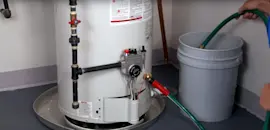
Error Codes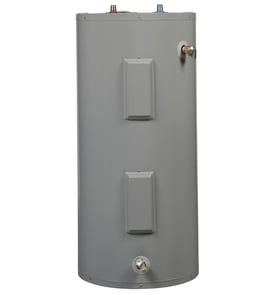



What are common Reliance water heater problems?
Common problems on a Reliance 640DOLNS electric water heater are no hot water, not enough hot water, water too hot, temperature swings, and leaks. Most issues trace back to power supply problems, a failed heating element, a bad thermostat, or normal tank corrosion protection parts wearing out.
Most common symptoms and what they usually mean
- No hot water: tripped breaker, loose wiring, failed thermostat, or failed heating element
- Not enough hot water: one element not heating, thermostat out of calibration, heavy sediment buildup
- Water too hot: thermostat stuck closed or set too high
- Fluctuating temperatures: thermostat cycling issues, one element intermittently failing, sediment insulating the element
- Water around the heater: plumbing connection leak, drain valve seep, or tank leak
Quick checks we recommend first (electric models)
- Confirm the breaker is on and the heater has correct voltage.
- Press the high-limit reset (often behind the upper access panel insulation).
- Look for burnt wires or loose terminal screws at the thermostats and elements.
- If hot water is limited, check for sediment and consider draining/flush.
- If you see water, identify whether it is from a fitting/valve or the tank body.
Parts that commonly fix these problems on model 640DOLNS
| Symptom | Most likely part area | Example part on this model |
|---|---|---|
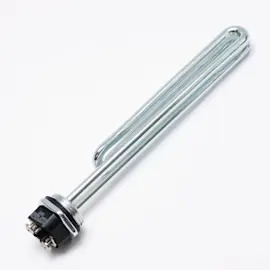
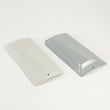
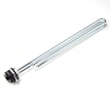
| No hot water / weak heating | Heating circuit | Element 100108283 |
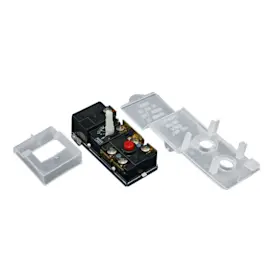
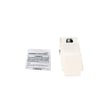
| Water too hot / temp swings | Temperature control | Thermostat 100108683 (upper), thermostat 100108421 (lower) |
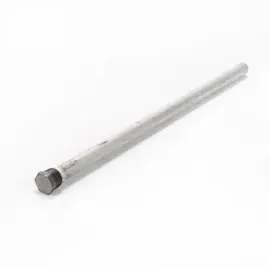
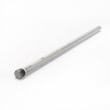
| Rusty water / odor / faster corrosion | Corrosion protection | Anode rod 100109624 |
Why it matters
Catching a failing thermostat or heating element early helps restore hot water faster and can prevent overheated water, nuisance breaker trips, and repeated high-limit resets. Replacing a worn anode rod helps protect the tank from corrosion and extends water heater life.
Helpful DIY guidance
For step-by-step troubleshooting and repair walk-throughs, we recommend starting with no hot water electric water heater troubleshooting video and then using the matching repair guide for the part you’re replacing.
Last updated: February 2026
What are signs of an electric hot water heater going out?
Common signs your Reliance 640DOLNS electric water heater is going out include reduced hot-water output, longer recovery time, popping or rumbling noises, rusty or smelly water, and moisture or leaking around the tank. These symptoms usually point to sediment buildup, a failing heating element, or thermostat problems.
Quick signs to watch for
- Hot water runs out faster than normal
- Water is lukewarm even after the heater has been on for a while
- Temperature swings during a shower
- Popping, crackling, or rumbling from the tank (often sediment)
- Rusty, discolored, or metallic-smelling hot water
- Water pooling near the base, damp insulation, or corrosion at fittings
What the symptoms usually mean
| Symptom | Most common cause | What we check first |
|---|---|---|
| No hot water or very little | Failed heating element, tripped reset, wiring issue | Power at breaker, reset button, element continuity |
| Fluctuating temperatures | Thermostat out of calibration or failing | Upper and lower thermostat operation |
| Slow recovery | Element scaled over, sediment in tank | Element condition, tank flush |
| Rusty hot water | Worn anode rod, internal tank corrosion | Anode rod condition |
| Rumbling/popping | Heavy sediment on bottom | Drain and flush tank |
Parts that commonly fix these problems
If troubleshooting points to a failed component, these model-matched parts are common solutions:
- Heating issues: element 100108283
- Temperature control issues: thermostat 100108683 (upper) and thermostat 100108421 (lower)
- Rusty water and faster tank wear: anode rod 100109624
Why it matters
Catching these signs early helps prevent sudden loss of hot water and reduces the chance of tank damage. On electric water heaters, a weak element or drifting thermostat often shows up as lukewarm water and long heat-up times before it becomes a complete failure.
Last updated: February 2026
What is the average lifespan of an electric hot water heater?
A tank-style electric water heater like the Reliance 640DOLNS typically lasts 10 to 15 years. With good water quality and routine maintenance (flushing sediment and replacing wear parts), many units reach the high end of that range; neglected tanks often fail sooner.
Typical lifespan ranges (what to expect)
Most electric tank water heaters fall into these ranges:
- 8 to 10 years: hard water, heavy use, little maintenance
- 10 to 15 years: typical household use and basic upkeep
- 15 to 20 years: lighter use, good water quality, consistent maintenance
What shortens or extends lifespan
These factors have the biggest impact on how long your 640DOLNS lasts:
- Water hardness and sediment buildup (more sediment = more element stress)
- Thermostat settings (higher temps increase wear and scale)
- Anode rod condition (a depleted anode speeds up tank corrosion)
- Heating element condition (scale can cause overheating and burnout)
- Leak history around fittings and the tank base
Maintenance that most improves longevity
If you want the longest service life, these are the highest-value tasks:
- Drain a few gallons periodically to reduce sediment; follow how to drain the tank on an electric water heater video
- Replace the sacrificial anode when it is heavily worn; see how to replace an electric water heater anode rod
- Replace a weak thermostat if temperatures swing or recovery is slow; use thermostat 100108683 (upper) or thermostat 100108421 (lower)
- Replace a failing heater; use element 100108283
Quick guide: symptoms and what they usually mean
| Symptom | Most common cause | What we check first |
|---|---|---|
| Not enough hot water | Element not heating fully, thermostat issue, sediment | Heating element, thermostats, sediment level |
| Fluctuating temperatures | Thermostat drifting, wiring issue, sediment | Upper and lower thermostats |
| Slow recovery | Scaled element, low voltage, thermostat issue | Heating element condition |
| Water on floor | Valve/fitting leak or tank leak | Connections first, then tank base |
Why it matters
Once a tank starts corroding internally, repairs do not stop a future leak. Replacing wear parts early (especially the anode rod and thermostats) helps protect the tank and keeps hot water performance steady.
Last updated: February 2026
What is the downside of an electric water heater?
The main downsides of an electric water heater like the Reliance 640DOLNS are slower hot-water recovery than many gas units, no hot water during a power outage, and potentially higher operating cost depending on your electric rates. Tank models also run out of hot water during heavy use.
Common downsides (what you will notice at home)
- Slower recovery: after long showers or laundry, it can take longer to reheat the tank.
- Power-outage impact: when the power is off, the heater cannot make more hot water.
- Higher cost in some areas: electricity can cost more per BTU than natural gas.
- Finite hot-water supply: a tank can be depleted by back-to-back showers.
- Scale and wear: hard water can shorten heating element life and reduce efficiency.
What to check first if performance is the issue
If the complaint is “not enough hot water” or “temperature swings,” these checks solve many electric water heater problems:
- Confirm the thermostat setting is reasonable (many homes target about 120°F).
- Look for a failed thermostat or element (common causes of lukewarm water).
- Flush sediment if you have hard water or popping noises.
- Inspect wiring connections (loose connections can cause intermittent heating).
- Check for leaks or constant hot-water use (a dripping hot faucet can mimic a heater problem).
Parts that commonly affect hot water on this model
| Symptom | Likely part area | Example part on this model |
|---|---|---|
| Water is lukewarm or runs out fast | Heating control | Thermostat 100108683 (upper), thermostat 100108421 (lower) |
| No heat or slow recovery | Heating circuit | Element 100108283 |
| Hot water smells or tank corrodes faster | Tank protection | Anode rod 100109624 |
Why it matters
Knowing the tradeoffs helps you decide whether you need a repair (thermostat, element, anode rod) versus simply adjusting expectations for recovery time and outage behavior. Many “electric heater is bad” complaints are actually a worn element or a drifting thermostat.
Related help: water heater common questions
Last updated: February 2026