 Owner’s manual



Is WM3770HVA energy efficient?
Yes. The LG WM3770HVA front-load washer is designed to be energy efficient by using less water and lower wash temperatures while still delivering strong cleaning performance. For the exact efficiency features and recommended cycles for your unit, follow the WM3770HVA owner's manual.
What “energy efficient” means on this washer
Front-load washers like the WM3770HVA typically save energy in three main ways:
- They use less water than many top-load designs, so less hot water is needed
- They rely on tumbling action instead of a tall, water-filled tub
- They offer eco-focused cycles and temperature options that reduce heater use
Best settings to maximize efficiency
Use these habits to keep energy and water use low without sacrificing results:
- Choose Normal or an Eco-style option when available; avoid heavy cycles unless needed
- Wash with cold or warm water for most loads; reserve hot for whites and sanitizing
- Use HE detergent and measure carefully; overdosing increases rinsing and run time
- Run full loads (without overpacking) to reduce cycles per week
- Keep the door boot clean and dry to prevent odors that lead to extra cleaning cycles
Quick comparison: what changes your energy use most
| Choice you make | Typical impact on energy use | Why |
|---|---|---|
| Hot vs. cold water | High | Water heating is the biggest energy driver |
| Extra rinse options | Medium | Adds fill and drain time |
| Small loads | Medium | More cycles per pound of laundry |
| High spin speed | Low to medium | Uses little power but can reduce dryer time |
Why it matters
Lower energy and water use reduces utility costs and can also reduce wear on components like the drain system and inlet valves over time.
Last updated: February 2026
What type of washing machine is WM3770HVA?
The LG WM3770HVA is a front-load washer (a horizontal-axis design). This style tumbles clothes through a small pool of water for strong cleaning with lower water use than most top-load washers; cycle options and features are listed in the WM3770HVA owner's manual.
How to identify it quickly
- The door is on the front, and the drum spins on a horizontal axis.
- It uses a rubber door boot (gasket) to seal the opening.
- It typically locks the door during wash and high-speed spin.
- It drains using a pump and drain hose rather than a center-post agitator system.
What “front-load” means for everyday use
Front-load washers like the WM3770HVA are designed for high-efficiency (HE) washing. They rely on tumbling action, higher spin speeds, and precise water levels to remove soil and rinse detergent effectively.
Common front-load components you may see referenced
| Component | What it does | Example part for WM3770HVA |
|---|---|---|
| Door lock | Keeps the door secured during operation | LG washer door lock EBF61315802 |
| Drain pump motor | Pumps water out during drain/spin | Drain pump motor (4681EA2001T) - washer part by LG electronics 4681EA2001T |
| Water inlet valve | Controls hot/cold water entering the washer | LG washer water inlet valve 5220FR2075L |
Why it matters
Knowing the WM3770HVA is a front-load washer helps you choose the right detergent (HE), understand normal door-lock behavior, and troubleshoot common symptoms like draining issues, door seal leaks, or unbalanced spin.
Last updated: February 2026
Is LG WM3770HVA stackable?
Yes. The LG WM3770HVA is a front-load washer designed to be stackable when paired with a compatible LG dryer and the correct stacking kit for the dryer model. For the exact approved pairings and kit, follow the WM3770HVA owner's manual.
What you need to stack it correctly
- A compatible LG front-control dryer (model-specific compatibility matters)
- The correct LG stacking kit for that dryer series
- A solid, level floor (stacking amplifies vibration if the washer is out of level)
- Proper washer leveling before placing the dryer on top
- Two people for lifting and positioning the dryer safely
Quick compatibility checklist
Use this checklist before you buy a kit or attempt installation:
| Item to confirm | What to look for | Why it matters |
|---|---|---|
| Dryer model number | Exact model on the dryer data tag | Determines the approved stacking kit |
| Stacking kit part number | Matches the dryer series | Prevents fit and stability problems |
| Washer leveling | All feet firmly on the floor | Reduces walking, noise, and UE-type imbalance issues |
| Venting clearance | Duct not kinked or crushed | Helps dryer performance and safety |
Why it matters
Stacking saves space, but it also increases the importance of stability. A slightly unlevel washer can cause more vibration during high-speed spin, which can lead to noise, movement, and repeated out-of-balance behavior.
Helpful tips after stacking
- Re-check level after the first few loads; floors can flex under the new weight
- Avoid overloading; bulky items can trigger imbalance more easily
- If you see imbalance errors, use our LG front load washer error codes guide to match the code to the next best step
Last updated: February 2026
Why are LG parts so expensive?
LG parts for the WM3770HVA washer often cost more because they are engineered to tight fit and performance specs, and many assemblies are sold as complete modules instead of small sub-parts. Pricing also reflects materials, quality testing, and the cost of stocking model-specific inventory.
What drives the price up
- Model-specific design: Front-load washers like the LG WM3770HVA use parts that must match exact mounting points, connectors, and water sealing surfaces.
- Assembly-level replacements: Many repairs require replacing a full assembly (for example, a door lock or pump motor) rather than a single internal component.
- Higher-duty materials: Seals, bearings, and pump components are built to handle heat, detergent chemistry, and high spin speeds.
- Electronics and sensors: Control and user interface parts include boards and components that cost more than mechanical parts.
- Supply chain and availability: In-stock, model-matched parts typically carry higher carrying and distribution costs.
Examples on this model (WM3770HVA)
| Part type | What it does | Why it can be pricey |
|---|---|---|
| Drain pump motor | Moves water out during drain/spin | Motor, seals, and housing must handle debris and heat |
| Door lock | Confirms the door is locked for high-speed spin | Safety-critical switch and actuator assembly |
| Water inlet valve | Controls hot/cold water fill | Solenoids and screens, must seal reliably |
If you are troubleshooting a drain issue, the drain pump motor (4681EA2001T) - washer part by LG electronics 4681EA2001T is a common replacement on this model, and it is typically sold as a complete motor assembly.
How to keep repair costs down (without sacrificing reliability)
- Confirm the symptom first (error code, leak location, noise timing) using the WM3770HVA owner's manual.
- Clean and maintain wear areas (door boot, drain filter, dispenser) to prevent repeat failures.
- Replace the most likely failure part first (for example, drain pump motor for no-drain symptoms).
- Avoid off-brand “universal” substitutes when the part is water-sealing or safety-related.
Why it matters
Using the correct LG part helps your washer seal properly, drain correctly, and spin safely. A cheaper mismatched part can cause leaks, repeat error codes, or premature failure, which costs more over time.
Last updated: February 2026
Can you replace the drain hose on an LG washer?
Yes. On the LG WM3770HVA washer, you can replace the drain hose, but it typically requires opening the cabinet and disconnecting the hose from the drain pump and internal routing clips. We recommend following the steps and safety notes in the WM3770HVA owner's manual before starting.
What the job usually involves
Replacing a washer drain hose is mostly a disassembly and hose-routing task. Plan for some water spillage and tight access around the pump area.
- Unplug the washer; turn off both water supply valves
- Pull the washer forward and protect the floor with towels or a shallow pan
- Access the pump area (often behind the lower front access area or front panel)
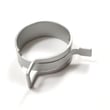
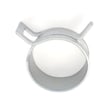
- Release the hose clamp at the pump and remove the hose from the outlet
- Transfer any routing clips or guides to the new hose and match the original path
- Reinstall clamps securely and check for kinks before reassembling
Parts you may need (depending on what’s leaking)
A “drain problem” is not always the hose itself. If you find the leak is at the pump or the pump-to-tub connection, these model-matched parts are common fixes:
| Symptom you see | Most likely area | Example model-matched part |
|---|---|---|
| Water leaking low/front during drain | Drain pump or pump seal | Drain pump motor (4681EA2001T) - washer part by LG electronics 4681EA2001T |
| Leak at the large hose from tub to pump | Tub-to-pump hose connection | Washer tub-to-pump hose 4738ER1002A |
| Slow drain, grinding, intermittent drain | Pump impeller or motor issue | Washer pump 3108ER1001E |
Quick checks before you replace the hose
These checks prevent repeat leaks and drain errors after the repair:
- Confirm the standpipe height and that the hose is not shoved too far down the pipe
- Inspect the hose for pinholes, rub-through, or a split near the clamp area
- Check clamps for corrosion or loss of tension; replace weak clamps
- Clean the drain path and pump filter area if accessible
Why it matters
A leaking or restricted drain hose can cause drain errors, water damage, and repeated pump strain. Correct routing and a tight clamp seal are what keep the WM3770HVA draining reliably.
Last updated: February 2026
What is the average lifespan of an LG washer?
Most LG washers, including the LG WM3770HVA, typically last 10 to 15 years with normal household use and basic maintenance. Lifespan depends most on load size, installation (leveling), water quality, and how quickly you address early symptoms like draining or filling problems.
What affects washer lifespan the most
- Overloading (stresses the tub, shocks, and motor)
- Poor leveling (causes vibration, wear, and out-of-balance spinning)
- Detergent overuse (creates residue that leads to odors and component strain)
- Hard water buildup (can affect valves, hoses, and overall performance)
- Ignoring small issues (a slow drain or minor leak often becomes a major repair)
Maintenance that adds years (simple routine)
Use these habits to keep your WM3770HVA running longer:
- Run a monthly cleaning cycle and wipe the door gasket area dry after use
- Leave the door slightly open between loads to reduce moisture and odor
- Check pockets to prevent coins, screws, and debris from reaching the pump
- Clean the drain filter area as outlined in the WM3770HVA owner's manual
- Stop using the washer if you notice burning smells, repeated error codes, or water leaks
Common wear items and what they usually mean
| Symptom | Often related to | Example part for this model |
|---|---|---|
| Won’t drain, drains slowly, or hums | Drain pump or blockage | Drain pump motor (4681EA2001T) - washer part by LG electronics 4681EA2001T |
| Won’t fill or fills very slowly | Water inlet valve or screen blockage | LG washer water inlet valve 5220FR2075L |
| Door won’t lock or cycle won’t start | Door lock/strike alignment or failure | LG washer door lock EBF61315802 |
Why it matters
A washer that is maintained and repaired early usually reaches the full 10 to 15 year lifespan; the same model run overloaded, unlevel, or with chronic drainage issues often fails years sooner and can damage higher-cost assemblies.
Last updated: February 2026
What are common problems with WM3770HVA?
Common problems we see with the LG WM3770HVA washer include draining failures, leaks, door lock and latch issues, fill problems, and excessive vibration during spin. Many of these symptoms trace back to a clogged drain path, a failing pump, a worn door boot, or an out-of-balance load; use the WM3770HVA owner's manual to match symptoms to checks and error codes.
Most common symptoms and what they usually point to
- Will not drain / drains slowly: clogged pump filter, kinked drain hose, failing drain pump motor
- Leaking: torn door boot, loose hose connections, detergent oversudsing
- Won’t fill / fills slowly: restricted inlet screens, low water pressure, faulty inlet valve
- Door won’t lock / won’t start: failed door lock, misaligned strike
- Shaking, walking, loud spin: unlevel washer, shipping bolts left in (after install), worn shocks, overloaded drum
Quick checks you can do first (no parts swapping)
- Run a Drain/Spin cycle and listen for the pump; a loud hum with no drain flow often indicates a blockage.
- Check the standpipe height and make sure the drain hose is not shoved too far down the pipe (helps prevent siphoning and drain errors).
- Verify both supply valves are fully open; clean inlet screen debris at the hose connections.
- Level the washer front-to-back and side-to-side; confirm all feet are firmly on the floor.
- Reduce load size and avoid mixing one heavy item with light items (common cause of UE-type imbalance behavior).
Parts that commonly solve these problems on WM3770HVA
| Symptom | Common part to inspect/replace | Example part for this model |
|---|---|---|
| Not draining | Drain pump motor | Drain pump motor (4681EA2001T) - washer part by LG electronics 4681EA2001T |
| Won’t fill | Water inlet valve | LG washer water inlet valve 5220FR2075L |
| Door won’t lock | Door lock | LG washer door lock EBF61315802 |
| Leaking at door | Door boot | LG washer door boot MDS47123618 |
Error codes and why they matter
LG front-load washers often display an error code when the control detects a drain, motor, or imbalance condition. Using the code narrows troubleshooting fast and helps you avoid replacing the wrong part; see LG front load washer error codes for code meanings and the most likely fixes.
Last updated: February 2026


