View engine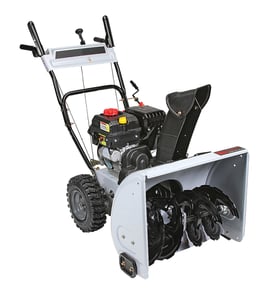



What month do snow blowers go on sale?
Snow blowers usually go on sale in late winter through early spring (February to April) when retailers clear out remaining inventory, and again in early fall (September to October) when new-season models arrive and promotions start. For Lawn-Boy model 522R, those windows are typically the best time to buy.
Best times to shop (and why)
- February to April: end-of-season clearance; biggest markdowns on leftover stock
- September to October: early-season promos; best selection and more model availability
- Late November (Black Friday/Cyber Week): strong discounts on select models and accessories
- Mid-winter (December to January): highest demand; fewer deals and more sell-outs
Quick month-by-month guide
| Time of year | Typical deal strength | Selection | Best for |
|---|---|---|---|
| Feb to Apr | High | Low to medium | Clearance pricing, last-year models |
| Sep to Oct | Medium | High | Best choice of models, early promos |
| Late Nov | Medium to high | Medium | Holiday bundles, promotional pricing |
| Dec to Jan | Low | Low to medium | Buying only if you need it immediately |
What to check before you buy
Even when the price is right, we recommend confirming these basics so you get the right fit for your driveway and snowfall:
- Clearing width and intake height (match to typical snow depth)
- Drive type (single-stage vs two-stage) and traction needs
- Chute control style and ease of adjustment
- Parts support for your model (belts, auger components, hardware)
- Storage space and transport needs
Why it matters
Buying during clearance or early-season promotions can save money and reduce downtime later. If you already own a Lawn-Boy 522R, planning ahead also helps you line up common wear items before peak winter demand, such as an auger housing assembly 94-9870.
Last updated: February 2026
How much should I pay for a snowblower?
Most homeowners should plan to pay $300 to $2,000+ for a snowblower; the right price depends on your snowfall depth, driveway size, and whether you need a single-stage or two-stage machine. For Lawn-Boy model 522R, budgeting for wear parts and maintenance also helps keep total ownership cost predictable.
Typical price ranges (what you get for the money)
- Corded electric: about $120 to $300 (light snow, smaller areas)
- Battery-powered: about $250 to $2,000 (convenience, higher cost for larger batteries)
- Gas single-stage: about $200 to $800 (moderate snow, faster clearing than electric)
- Gas two-stage or three-stage: about $800 to $3,000+ (deep snow, plow piles, larger driveways)
| Type | Best for | What drives cost up |
|---|---|---|
| Electric (corded) | Small, flat areas | Longer/heavier-duty cord, wider intake |
| Battery | Quick starts, low maintenance | Battery capacity, extra batteries |
| Gas single-stage | Moderate snowfalls | Wider clearing width, stronger engine |
| Gas two-stage | Heavy snow and end-of-driveway piles | Larger engine, power steering, tracks |
How to choose the right budget
Use these practical “buying triggers” to set your target price:
- Snow depth: under 6 inches vs. frequent 8 to 12+ inch storms
- Driveway size: short walkway vs. multi-car driveway
- Surface type: smooth pavement vs. gravel (often needs more clearance and power)
- Plow berms: frequent heavy piles at the street usually justify two-stage
- Storage and handling: heavier machines cost more but can be easier to control with features
Why it matters (total cost, not just purchase price)
A cheaper machine that is underpowered can clog more, take longer, and wear faster. Planning for maintenance items helps keep a gas snowblower like the 522R running reliably, especially in peak winter use.
Common maintenance and repair costs to expect
| Item | Why you might replace it |
|---|---|
| Fasteners | Vibration loosens or corrodes hardware over time |
| Drive/auger components | Wear from heavy snow, ice, and impacts |
| Chute controls | Binding or breakage from ice buildup |
If you are pricing repairs, comparing the cost of key components like a toro snowblower worm gear 5-7180 can help you decide whether to repair or replace.
Last updated: February 2026
How many years should a snowblower last?
Most gas snowblowers, including the Lawn-Boy 522R, typically last 10 to 20 years with normal residential use and consistent maintenance; heavy use, poor storage, and skipped service can shorten that, while careful upkeep can push lifespan beyond 20 years.
Typical lifespan by use and care
| Scenario | What to expect | What usually limits life |
|---|---|---|
| Light use, stored dry, serviced yearly | 15 to 20+ years | Rubber wear parts, corrosion |
| Average residential use | 10 to 15 years | Belts, friction drive, bearings |
| Heavy/wet snow, frequent use, minimal service | 5 to 10 years | Gearcase wear, engine issues |
What makes a snowblower wear out faster
- Running old fuel or storing fuel in the tank over the off-season
- Skipping oil changes and basic tune-ups
- Operating with loose or missing fasteners (vibration damage)
- Letting packed snow and salt sit on the auger housing and chute
- Continuing to run when the auger or drive system is binding
Maintenance that extends life the most
- Change engine oil on schedule; check level before each season of use
- Use fresh fuel and a stabilizer for storage; drain or run dry at season end
- Inspect and tighten hardware; replace stripped fasteners such as the toro snowblower screw 12-3270
- Keep the auger and chute clean; touch up paint chips to reduce rust
- Check the auger/gearcase area for play or grinding; address wear early (for example, a worn toro snowblower worm gear 5-7180 can accelerate gearcase damage)
Why it matters
A snowblower usually does not “die” all at once; it becomes unreliable as wear parts (fasteners, bearings, gears, pulleys) loosen or wear. Replacing small parts early often prevents expensive damage to assemblies like the auger housing or gear case.
Last updated: February 2026
What are the parts of a snow blower called?
A gas snowblower like the Lawn-Boy 522R is made up of an engine that powers an auger and impeller to move snow, plus a chute system to aim the discharge; it also uses drive components (belts, pulleys, shafts) and hardware to control, protect, and support the machine.
Main snowblower parts and what they do
- Engine: provides power to the auger/impeller and the drive system.
- Auger: pulls snow into the front housing (often left-hand and right-hand augers).
- Impeller: throws snow up and out through the chute.
- Chute and chute control: directs where the snow is discharged.
- Auger housing: the front “bucket” that contains the auger and guides snow inward.
- Drive system: belts, pulleys, shafts, and gears that transfer power.
- Fasteners and hardware: screws, bolts, pins, and nuts that hold assemblies together.
Common part names you will see for model 522R
These are examples of real part names used on this model’s parts list:
| Part name (as listed) | What it’s for | Where you’ll notice it |
|---|---|---|
| Chute control 40-8230 | Aims/rotates the discharge chute | Chute handle/controls area |
| Auger housing assembly 94-9870 | Contains auger and channels snow inward | Front bucket area |
| Auger - l.h. 94-9851 | Left-side auger that feeds snow to center | Front housing, left side |
| Toro snowblower worm gear 5-7180 | Transfers power inside a gear case | Auger/drive gearbox area |
Why part names matter when ordering
Snowblower parts are often very similar across brands and years, but small differences (left-hand vs right-hand auger, gear style, pulley diameter, hardware length) affect fit and performance. Matching the exact part name and number for 522R (28231-7900001 & UP) prevents returns and repeat repairs.
Quick tips for identifying the right part
- Start with the system: auger/impeller, chute, drive, or engine.
- Note left-hand (L.H.) vs right-hand (R.H.) on auger and gearbox parts.
- Compare the old part’s markings to the parts list (numbers stamped on metal are common).
- If the issue is slipping or no movement, check pulleys, shafts, and gear case parts.
- If the issue is poor discharge direction, focus on chute and chute control components.
Last updated: February 2026
What is the best snow blower for the money?
The best snow blower for the money is the one that matches your snowfall depth, driveway size, and storage needs without overbuying power. For most homeowners, a 2-stage gas snowblower delivers the best value for heavy, wet snow; for lighter snow and smaller areas, a cordless single-stage can be the better buy.
Quick picks by situation
- Light snow (up to ~6 inches), small driveway or deck: single-stage electric or cordless
- Mixed snow (6 to ~12 inches), typical driveway: 2-stage gas (best overall value)
- Heavy, wet snow and plow berms: larger 2-stage gas with strong intake and durable auger/gearcase
- Tight storage: compact single-stage or smaller 2-stage with folding handles
- Low-maintenance priority: electric or cordless (no fuel stabilizer, carb cleaning, or oil changes)
What to compare (the value checklist)
- Clearing system: single-stage vs 2-stage (2-stage usually wins for “money” in real winter conditions)
- Intake width: most homeowners land in the 20 to 28 inch range
- Throwing distance and chute control: look for easy, glove-friendly chute rotation
- Traction: tires vs track drive (tracks help on slopes but cost more)
- Serviceability: belt access, shear pins, and common wear parts availability
Typical value tradeoffs
| Type | Best for | Pros | Cons |
|---|---|---|---|
| Single-stage (electric/cordless) | Light snow, small areas | Light, simple, easy storage | Struggles with berms and wet snow |
| 2-stage gas | Most driveways | Best all-around performance per dollar | More maintenance, heavier |
| Track-drive 2-stage gas | Slopes, deep snow | Excellent grip and control | Higher cost, more complexity |
Why it matters for Lawn-Boy 522R owners
If you already own a Lawn-Boy 522R, the best “for the money” move is often keeping it running strong with the right wear parts. For example, auger and drive components can be the difference between a machine that clears cleanly and one that jams, slips, or leaves snow behind.
If you are troubleshooting poor snow intake or uneven clearing, start by inspecting the auger and housing area and compare what you see to the correct replacement options such as the auger housing assembly 94-9870.
Last updated: February 2026