- Kenmore refrigerator water filters
- Whirlpool refrigerator water filters
- Samsung refrigerator water filters
- GE refrigerator water filters
- LG refrigerator water filters
- Frigidaire refrigerator water filters
- KitchenAid refrigerator water filters
- Maytag refrigerator water filters
- Kenmore Elite refrigerator water filters
- Estate refrigerator water filters
- GE Profile refrigerator water filters
- Amana refrigerator water filters
- Bosch refrigerator water filters
- Dacor refrigerator water filters
- Electrolux refrigerator water filters
Top DIY repair help
View All Repair Categories
Appliances
Lawn & Garden
Power Tools
Home Improvement
Sports & Leisure
Heating & Cooling
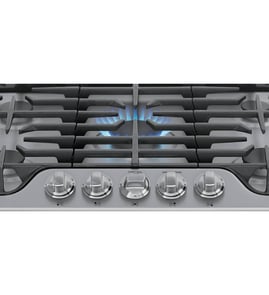
Amana Cooktop Parts — Browse All Models
Keeping your Amana cooktop working the way it should starts with finding the right parts for your model. Sears PartsDirect makes that easier by letting you enter your model number in the search bar to quickly narrow down compatible options, or browse a full list of Amana cooktop models if you are not sure where to start. Clear parts diagrams help you identify components, confirm fit, and order OEM parts designed for your cooktop. With the right information up front, repairs stay straightforward and accurate.


 Error Codes

Frequently bought Amana parts
Whirlpool Refrigerator Ice Maker (d7824706q)
In Stock
$98.80
11% OFF Phone Price : $110.80

Qty

Amana Dryer Thermal Cut-off Fuse Kit, 309-degree F
In Stock
$63.02
9% OFF Phone Price : $69.02
Qty
Whirlpool Everydrop 4 Refrigerator Water Filter
In Stock
$67.97
8% OFF Phone Price : $73.97
Qty
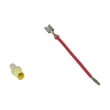
Dryer Heating Element Wire Kit
In Stock
$10.72
16% OFF Phone Price : $12.72
Qty
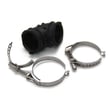
Dishwasher Circulation Pump-to-sump Hose
In Stock
$42.54
12% OFF Phone Price : $48.54
Qty
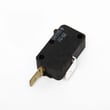
Microwave Door Interlock Switch
In Stock
$22.87
21% OFF Phone Price : $28.87
Qty
Popular maintenance items for Cooktops
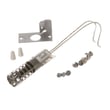
G.e. Kenmore Range Oven Burner Igniter
In Stock
$83.29
7% OFF Phone Price : $89.29
Qty
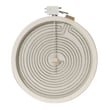
G.e. Range Halogen Surface Element
In Stock
$199.96
6% OFF Phone Price : $211.96
Qty
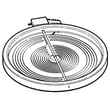
G.e. Range Dual Radiant Surface Element, 6 To 9-in
In Stock
$115.14
9% OFF Phone Price : $127.14
Qty
Range Surface Element Receptacle
In Stock
$9.63
9% OFF Phone Price : $10.63
Qty
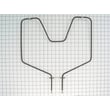
G.e. Range Bake Element
In Stock
$41.01
20% OFF Was : $51.01
Qty
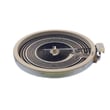
G.e. Range Triple Radiant Surface Element
In Stock
$190.43
13% OFF Was : $219.03
Qty
Troubleshooting common Amana cooktop problems
Cooktop issues can show up in different ways depending on how the appliance heats and controls burners or elements. These common symptoms can help you narrow down what may be happening before replacing parts.
When the cooktop not working at all
If the entire cooktop fails to power on, the issue may involve the power supply, internal wiring, or safety components that prevent the unit from operating. Reviewing causes for a cooktop not working at all can help you focus your checks.
Surface element doesn’t heat consistently
A heating area that stays cool or only warms slightly can affect cooking results. This often points to problems with the element itself or the controls regulating heat, especially when one area behaves differently from the others.
Burner heats unevenly or too weakly
When flames or heat output seem lower than expected, cooking times can increase and temperatures may fluctuate. Issues like this are common when internal components are not delivering steady heat.
Burners won’t ignite or spark
If turning the knob does not produce ignition, the problem may involve ignition components or electrical connections that trigger sparking. Symptoms where cooktop gas burners won’t ignite or spark can help narrow down likely causes.
Igniters keep clicking after the burner lights
A burner that lights but continues clicking can indicate sensing or ignition issues. Situations where cooktop spark igniters keep clicking often point to problems that affect flame detection.
Commonly replaced Amana cooktop parts
Once troubleshooting points to a specific issue, these are some of the parts commonly replaced in Amana cooktops.
- Surface element: Provides direct heat for cooking; failures can cause weak or uneven heating.
- Igniter switch: Triggers sparking for burner ignition and can prevent burners from lighting when it fails.
- Spark module: Sends voltage to igniters to create a spark; problems can affect one or multiple burners.
- Control knob: Allows you to adjust heat levels; worn knobs may not properly engage the control shaft.
- Glass cooktop: A cracked or damaged surface can interfere with heat transfer and safe operation.
Why use Sears PartsDirect for your Amana cooktop parts
Sears PartsDirect helps you find the right Amana cooktop parts with OEM replacements designed to fit your appliance. Parts diagrams show how components fit together, making it easier to identify what you need before ordering. Model-based compatibility tools reduce guesswork, so you can feel confident the part you select matches your cooktop.
Amana cooktop FAQs
Why does my cooktop take longer to heat than it used to?
Longer heat-up times can happen when heating components wear out or controls stop regulating power correctly. Testing electrical components with a multimeter can help identify whether parts are still functioning as they should.
Is it normal for a cooktop to click even when not in use?
Occasional clicking during use can be normal, but repeated clicking when burners are off may point to moisture or ignition issues that need attention.
What causes uneven cooking temperatures across burners or elements?
Uneven temperatures often relate to differences in heat output from individual components or problems with controls that regulate power or gas flow.
Can a cracked glass cooktop still work?
A cooktop with a cracked surface may still heat, but it can affect performance and safety. Replacing damaged glass helps maintain proper heat transfer and stability.
How do I know if a control knob is the problem?
If adjusting the knob does not change heat levels or feels loose, the knob or the control it connects to may be worn and need replacement.
Parts & More
Bottom-Mount Refrigerator
Coffee Maker
Cycling
Electric Range
Fitness & Exercise
Front-Engine Lawn Tractor
Gas Range
Gas Walk-Behind Mower
Lawn & Garden Engine
Parts
Side-By-Side Refrigerator
Small Appliance