- Kenmore refrigerator water filters
- Whirlpool refrigerator water filters
- Samsung refrigerator water filters
- GE refrigerator water filters
- LG refrigerator water filters
- Frigidaire refrigerator water filters
- KitchenAid refrigerator water filters
- Maytag refrigerator water filters
- Kenmore Elite refrigerator water filters
- Estate refrigerator water filters
- GE Profile refrigerator water filters
- Amana refrigerator water filters
- Bosch refrigerator water filters
- Dacor refrigerator water filters
- Electrolux refrigerator water filters
Top DIY repair help
View All Repair Categories
Appliances
Lawn & Garden
Power Tools
Home Improvement
Sports & Leisure
Heating & Cooling
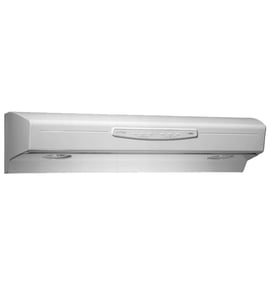
KitchenAid Range hood Parts — Browse All Models
Finding the right KitchenAid range hood parts is easy with Sears PartsDirect. Simply enter your model number in the search bar or browse the list of models below. With detailed diagrams and OEM components, you can identify the part you need quickly. And with our DIY range hood repair help, you can complete your repair with confidence.

 Owner’s manual


 Installation guide


Frequently bought KitchenAid parts
Dishrack Adjuster Kit - Dishwasher Rack Component By Whirlpool
In Stock
$40.47
13% OFF Phone Price : $46.47

Qty

Ice Maker Assembly - Refrigerator Ice Maker By Whirlpool
In Stock
$118.89
9% OFF Phone Price : $130.89
Qty
Dishrack Adjuster Kit (w10712394) - Dishwasher Rack Component By Whirlpool
In Stock
$38.64
13% OFF Phone Price : $44.64
Qty
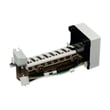
Whirlpool Refrigerator Ice Maker Assembly
In Stock
$105.13
10% OFF Phone Price : $117.13
Qty
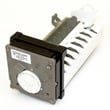
Whirlpool Refrigerator Ice Maker (d7824706q)
In Stock
$98.80
11% OFF Phone Price : $110.80
Qty
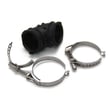
Dishwasher Circulation Pump-to-sump Hose
In Stock
$42.54
12% OFF Phone Price : $48.54
Qty
Popular maintenance items for Range Hoods
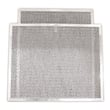
Broan Range Hood Grease Filter, 2-pack
In Stock
$64.94
8% OFF Phone Price : $70.94
Qty
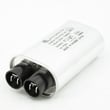
Microwave High-voltage Capacitor
In Stock
$119.86
9% OFF Phone Price : $131.86
Qty
Refrigerator Screw
Part #WP489483
This item is not returnable
In Stock
$9.76
9% OFF Phone Price : $10.76
Qty
Appliance Screw, 10-16 X 1/2-in
Part #WP681414
This item is not returnable
In Stock
$4.91
17% OFF Phone Price : $5.91
Qty
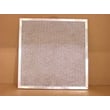
Range Hood Grease Filter
In Stock
$55.71
10% OFF Phone Price : $61.71
Qty
Broan Range Hood Grease Filter
In Stock
$57.43
9% OFF Phone Price : $63.43
Qty
Troubleshooting common KitchenAid range hood problems
Fan not working
A quiet or unresponsive blower usually points to a power interruption or worn electrical components. When the fan doesn’t work, check the breaker first, then cycle through speed settings. A switch or motor failure becomes more likely if nothing changes.
Lights not working
Bulbs can fail from heat exposure, but sockets and switches also wear out over time. A set of lights that don’t work may indicate warped contacts, loose wiring or a failing control panel, especially on hoods that run hotter than usual.
Poor smoke or odor removal
Some KitchenAid hoods struggle with odor control even when the fan spins normally. When the fan isn’t pulling much air, grease-saturated filters or a partial duct blockage can weaken ventilation. Recirculating models may also need fresh charcoal filters to keep odor removal strong.
Control panel or touchpad not responding
KitchenAid hoods with electronic controls can behave unpredictably when moisture, grease or heat affects the touchpad. A panel that freezes or ignores input often points to a worn control board or failing keypad rather than a power issue.
Excessive vibration or rattling
A vibrating hood typically means something is out of balance inside the blower housing. Loose mounting screws, an imbalanced blower wheel or heavy grease accumulation can cause the hood to shake, especially on higher speeds.
Commonly replaced KitchenAid range hood parts
KitchenAid hoods operate in a tough mix of heat, moisture and grease, so certain parts wear down naturally. These components are among the most frequently replaced.
- Grease filters: Metal mesh filters capture airborne grease and protect the blower. Fresh filters restore airflow when ventilation becomes sluggish.
- Charcoal filters: Recirculating hoods rely on charcoal to absorb odors. Replacing saturated charcoal filters helps keep kitchen smells under control.
- Fan motor: A blower that runs slowly, overheats or hums loudly often needs a new motor. Installing a fresh motor typically restores full ventilation power.
- Light socket: Long-term heat exposure can warp or discolor the socket, preventing good bulb contact. Swapping in a new socket brings the lights back online.
- Control board: Touchpads and electronic controls rely on this board. When the hood acts erratically, replacing the control board usually solves the issue.
Why use OEM KitchenAid range hood parts
OEM parts provide the reliable fit and performance that KitchenAid models are built around. Sears PartsDirect offers accurate diagrams and step-by-step repair help to guide you through identifying the right components. Using genuine parts helps keep airflow strong, lighting consistent and your hood running smoothly for years to come.
KitchenAid range hood FAQs
Why isn’t my KitchenAid range hood clearing smoke or steam effectively?
Weak ventilation often comes from dirty grease filters, a clogged charcoal filter in recirculating models or a partially blocked duct. Even when the fan spins, airflow can drop sharply if the filters are saturated or the vent path is restricted.
Why is my KitchenAid range hood overheating?
Cooking heat and grease can build up inside the blower and wiring compartments, especially if filters have not been cleaned regularly. Overheating may also signal a motor that is working harder than it should or a failing control board.
Why isn’t the control panel responding when I press the buttons?
Touchpads and electronic switches can become unresponsive when grease or moisture accumulates inside the panel. Failing control boards or worn keypads are also common reasons a KitchenAid hood stops registering input.
Why is my KitchenAid range hood vibrating or rattling?
Vibration usually indicates loose mounting screws, an unbalanced blower wheel or heavy grease buildup. Cleaning the blower, tightening hardware and checking the duct connection often reduces shaking.
How often should I replace KitchenAid range hood filters?
Metal grease filters should be cleaned regularly, while charcoal filters in recirculating hoods typically need replacement every few months, depending on how often you cook. Saturated filters reduce airflow and odor removal.
Parts & More
Air Compressor
Blender
Circular Saw
Dishwasher
Elliptical Machine
Gas Snowblower
Grass Catcher Attachment
Household Fan
Lawn Sweeper
Parts
Power Nailer
Range
Side-By-Side Refrigerator
Trash Compactor
Walk-Behind Mower