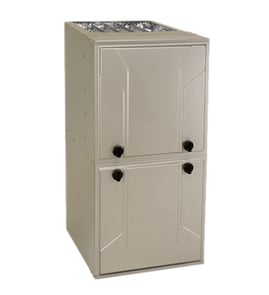



How do I find out what model my furnace is?
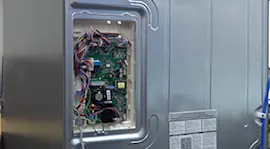
For your Sears gas-fired direct vent wall furnace, the model number is typically printed on a rating plate (data tag) attached to the furnace cabinet. On model 867736212, check inside the front access panel first, then check the cabinet side or near the burner compartment.
Where to look on a wall furnace
Most direct vent wall furnaces place the rating plate in one of these spots:
- Inside the front access panel on the cabinet wall
- Near the burner compartment or gas valve area
- On the side of the cabinet (sometimes visible without removing panels)
- Along the lower front area behind the grille or cover
- Occasionally on the outside edge of the cabinet near the mounting frame
Safe steps to find and record the model number
Before you remove any panel, use basic safety steps so you can read the tag clearly and avoid damaging wiring.
- Turn off electrical power to the furnace at the breaker
- Let the furnace cool if it has been running
- Remove the front cover or access panel (usually a few screws)
- Locate the rating plate and write down the full model number and serial number
- Take a clear photo of the tag for parts lookup and service calls
What the label usually includes (and what to copy)
Use the exact characters shown on the tag. For parts ordering, the full model number matters.
| Label item | What it’s used for | Example of what to record |
|---|---|---|
| Model number | Matching parts diagrams and parts | 867736212 |
| Serial number | Production run details | Copy exactly as shown |
| Input rating (BTU) | Sizing and troubleshooting | Copy the BTU value |
| Gas type | Correct fuel setup | Natural gas or LP |
Why it matters
We use the model number to match the correct furnace parts, such as ignition and safety components. Even small model-number differences can change which parts fit and how the furnace is wired.
If your rating plate is damaged or missing, use how to find your appliance model number (and what it means for parts) to identify common tag locations and what information to capture.
Last updated: January 2026
Should a 25 year old furnace be replaced?
Yes. A 25-year-old Sears gas-fired direct vent wall furnace (model 867736212) is past the typical furnace lifespan (about 15 to 20 years), so replacement is the practical choice for reliability, efficiency, and safer operation during cold weather.
When replacement is the right call
We recommend planning a replacement if you notice any of these common age-related issues:
- Frequent service calls or repeated ignition/pilot problems
- Rising heating bills compared with prior winters
- Uneven heat, short cycling, or trouble maintaining set temperature
- Sooting, unusual burner flame behavior, or persistent odors
- Corrosion, rattling, or excessive vibration from the cabinet or venting
Repair vs. replace: a quick comparison
| Situation | Repair makes sense | Replace makes sense |
|---|---|---|
| Furnace age | Under ~15 years | 25 years (end-of-life) |
| Breakdowns | Rare, simple fixes | Repeated failures or hard-to-source parts |
| Operating cost | Stable | Bills climbing year over year |
| Safety confidence | Strong, consistent operation | Ongoing combustion or venting concerns |
If you are trying to keep it running short-term
If you need heat while you plan a replacement, focus on the most common no-heat items for older gas appliances:
- Confirm thermostat settings and power to the unit
- Inspect and clean the pilot area and burner compartment (dust and lint matter)
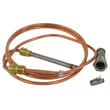
- Check the thermocouple connection and condition; a weak thermocouple can shut off gas to the pilot
- If your unit uses a pilot tube assembly, inspect fittings for looseness and damage
If you need parts that match what is listed for this model, start with ferrule nut 100108370 and how to find your appliance model number (and what it means for parts).
Why it matters
At 25 years old, the biggest risk is winter downtime: older furnaces tend to fail when demand is highest, and repairs can become less cost-effective as efficiency drops and parts availability narrows.
Last updated: January 2026
What are the three types of furnaces?
The three most common residential furnace types are gas, electric, and oil, grouped by the fuel they use to create heat. For Sears model 867736212 (a gas-fired direct vent wall furnace), the “type” is gas; service and parts selection focus on combustion, venting, and safety controls.
Quick breakdown of the 3 furnace types
- Gas furnace (natural gas or propane): Uses a burner and ignition or pilot system; requires proper venting and combustion air.
- Electric furnace: Uses electric heating elements; no combustion or flue gases, but typically higher electrical demand.
- Oil furnace: Burns heating oil; common where gas service is limited and needs an oil tank and burner maintenance.
Another “type” you may hear: how the furnace stages heat
These terms describe how the furnace controls output, regardless of fuel:
| Control style | What it does | Typical comfort result |
|---|---|---|
| Single-stage | Full heat or off | More temperature swing |
| Two-stage | High or low heat | More even temperatures |
| Modulating | Many small adjustments | Steadiest comfort and quieter operation |
Why it matters for Sears 867736212 parts and troubleshooting
Fuel type determines the components you diagnose first. On a gas-fired direct vent wall furnace like 867736212, no-heat or pilot-related symptoms often involve the pilot assembly, gas valve safety circuit, and venting.
- If a pilot will not stay lit, inspect the pilot flame and safety sensing circuit.
- If you see a leak or looseness at a pilot tube connection, inspect the fitting and sealing surfaces.
- If you are checking electrical safety controls, test with the right meter and keep power off during handling.
A common connection component you may see in pilot tube service is the ferrule nut 100108370.
Related DIY skill
Last updated: January 2026