View engine

Is it cheaper to repair or replace a lawn mower?
For a Craftsman rotary lawn mower model 917377550, it’s cheaper to repair when the problem is a normal wear item (blade, belt, wheel parts) and the total cost stays under about half the price of a comparable new mower. Replace the mower when the engine or drive system needs multiple major parts.
A practical repair vs. replace checklist
We use these quick checks to decide if a repair is worth it:
- Repair if the mower still starts and runs well, but has a cut-quality or drive issue.
- Repair if you only need 1 to 2 common parts (blade, belt, wheel gear, control).
- Replace if the engine has low compression, heavy smoking, or repeated no-start problems after a tune-up.
- Replace if the deck is cracked or badly rusted through (structural damage).
- Replace if the self-propel system needs several components at once (belt plus gears plus control).
Common “worth repairing” fixes for model 917377550
These are typical repairs that usually cost far less than replacing the mower:
- Replace a worn blade with the lawn mower mulching blade 532406713
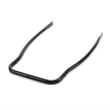
- Fix slipping or no-drive symptoms with the belt 532157769
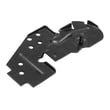
- Restore drive engagement with the control 532184588
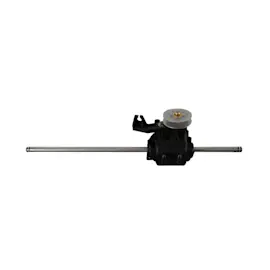
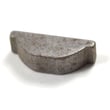
- Replace worn wheel-drive parts such as the lawn mower drive pinion gear 532137054
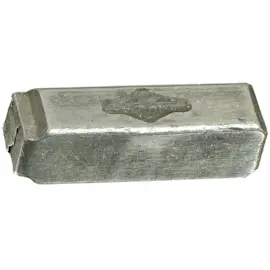
- Refresh basic engine maintenance items using the briggs & statton tune-up kit 5140B
Cost and effort comparison
| Situation | Typical outcome | Usually the better choice |
|---|---|---|
| Blade is dull/bent; mower still runs strong | Poor cut, vibration | Repair |
| Self-propel won’t pull; belt is worn | No movement or slipping | Repair |
| Multiple drive parts worn plus poor engine performance | High parts count, more downtime | Replace |
| Deck damage (cracks/rot) | Safety and cut quality issues | Replace |
Why it matters
A walk-behind mower is a system: engine, blade, deck, and drive. When only one wear system fails, a targeted repair restores performance quickly. When several systems are failing at once, replacement usually saves time and avoids repeat repairs.
Helpful DIY guidance
- For drive problems (mower won’t move), follow lawn mower wont move troubleshooting video motion drive failure
- For safe blade service, use lawn mower blade removal tool
Last updated: February 2026
Should I use 87 or 91 gas for lawn mower?
For a Craftsman rotary lawn mower model 917377550, we recommend using 87-octane (regular) unleaded gasoline for normal mowing. Higher octane (like 91) does not add power or improve reliability in small mower engines; using fresh fuel and correct maintenance matters more.
What to use (and what to avoid)
- Use: Fresh 87-octane unleaded gas
- Avoid: Old gas (more than about 30 days without stabilizer)
- Avoid: Gas with high ethanol content; E10 (up to 10% ethanol) is commonly acceptable, but higher blends can cause hard starting and fuel-system issues
- Avoid: Mixing octane “just to clean it out”; octane is not a cleaner
Why 91 octane usually is not better
Octane is mainly about preventing knock in high-compression engines. Most walk-behind mower engines are designed to run correctly on regular fuel, so premium fuel typically provides no performance benefit.
Quick comparison
| Fuel choice | What you can expect | Best for |
|---|---|---|
| 87 octane (regular) | Normal starting and power when fresh | Everyday mowing |
| 91 octane (premium) | Usually no added power | Only if your engine specifically calls for it |
Fuel tips that prevent the most problems
- Buy fuel in small amounts so it stays fresh
- Use a fuel stabilizer if the mower will sit more than a few weeks
- Store gas in an approved container, tightly sealed
- If the mower starts running rough after storage, drain old fuel and refill with fresh 87
Why it matters
Most “bad gas” mower problems are really stale fuel, ethanol-related moisture, or varnish buildup in the carburetor. Using the right fuel habits reduces no-start issues and helps your Craftsman mower run consistently all season.
If you are doing seasonal maintenance, pairing fresh fuel with a tune-up is a smart move; the briggs & statton tune-up kit 5140B is a common maintenance item for walk-behind mower engines.
Last updated: February 2026
What are the common problems with Craftsman lawn mowers?
Common problems on a Craftsman walk-behind mower like model 917377550 are no-start or starts-then-dies issues (fuel, spark, air), poor cutting (dull or bent blade), and self-propelled drive problems (worn belt, drive control, or gears). Most fixes start with basic maintenance and a quick drive-system inspection.
Most common symptoms and what they usually mean
- Won’t start: stale gas, dirty carburetor, fouled spark plug, clogged air filter
- Starts then dies: restricted fuel flow, dirty carburetor jets, gas cap vent issue
- Cuts unevenly or leaves strips: dull blade, blade adapter wear, deck buildup, wrong height setting
- Vibrates badly: bent blade, loose blade hardware, damaged blade adapter
- Self-propelled won’t move or slips: worn drive belt, stretched/binding cable, worn drive gears
Quick checks we recommend (fastest to slowest)
- Fuel: Drain old fuel and refill with fresh gas; old fuel is the #1 cause after storage.
- Spark: Confirm the spark plug wire is firmly seated; replace the plug if it’s fouled.
- Airflow: Clean or replace the air filter.
- Blade and underside: Clean packed grass from the deck; inspect the blade for damage.
- Drive system (self-propelled): Check belt condition and engagement when you squeeze the drive control.
Parts that commonly solve these problems on 917377550
If your symptoms match, these model-matched parts are often involved:
| Problem area | What to inspect | Example part for this model |
|---|---|---|
| Cutting quality / vibration | Blade edge, bends, cracks | Lawn mower mulching blade 532406713 |
| Self-propelled drive | Belt glazing, stretching, slipping | Belt 532157769 |
| Drive engagement | Control/cable feel, return action | Control 532184588 |
| Blade mounting | Wobble at blade hub, stripped splines | Lawn mower blade adapter 581547901 |
Why it matters
A mower that runs poorly or cuts unevenly usually needs routine service first; ignoring it can overload the engine, wear the drive system faster, and lead to repeat no-start problems after storage.
Helpful DIY guidance
- For safer blade service and removal tips, use our lawn mower blade removal tool guide.
- For drive issues where the mower won’t propel, follow lawn mower wont move troubleshooting video motion drive failure.
Last updated: February 2026
What is the life expectancy of a gas lawn mower?
A typical gas walk-behind lawn mower lasts 8 to 10 years with normal residential use and basic maintenance. For your Craftsman 917377550 rotary lawn mower, regular blade care, clean fuel practices, and timely drive-system upkeep make the biggest difference in how long it stays reliable.
What affects lifespan the most
- Maintenance frequency: oil changes, air filter cleaning, spark plug replacement
- Fuel quality and storage: old gas and ethanol-related issues shorten engine life
- Blade condition: a bent or dull blade increases vibration and engine load
- Deck and underside cleaning: grass buildup traps moisture and accelerates corrosion
- Drive wear (self-propelled models): belts, gears, and wheels wear faster on hills and rough lawns
Maintenance schedule we recommend
| Task | Typical interval | Why it matters |
|---|---|---|
| Sharpen or replace blade | Every 20 to 25 mowing hours | Cleaner cut, less strain and vibration |
| Tune-up (plug, filter, basic checks) | Once per season | Easier starting and steadier power |
| Clean underside of deck | Every few mows | Prevents rust and improves airflow |
| End-of-season fuel prep | Before storage | Prevents hard-start and carb issues |
For seasonal upkeep steps, follow our guide: how to winterize a lawn mower.
Parts that commonly extend mower life
If cutting quality drops or vibration increases, replacing worn cutting parts early helps protect the crankshaft, blade adapter, and deck.
- Replace a worn blade with the correct 22-inch mulching blade: lawn mower mulching blade 532406713
- If the blade won’t seat tightly or keeps loosening, inspect the adapter: lawn mower blade adapter 581547901
- If the mower stops pulling itself well, check the drive belt condition: belt 532157769
Why it matters
A mower that is maintained to last 8 to 10 years typically costs less per season, starts more reliably, and cuts cleaner. Most “early failures” we see come from stale fuel, neglected blade maintenance, or running with heavy grass buildup under the deck.
Last updated: February 2026