Owner’s manual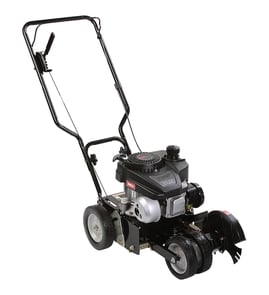

Are black and decker edgers good?
Yes. Black & Decker edgers like the LE750 are a solid choice for routine residential edging because they are simple to use, lightweight, and capable of producing clean sidewalk and driveway lines when the blade is sharp and the depth is set correctly. For exact operating limits and adjustments, use the LE750 owner's manual.
What “good” means for the Black & Decker LE750
Most owners consider an edger “good” when it delivers consistent edge quality without constant adjustments.
- Clean edges along concrete when you keep a steady pace
- Easy handling for typical yard touch-ups (lighter than many gas units)
- Quick setup with basic depth/guide adjustments
- Lower routine upkeep than gas models (no fuel mixing, no carburetor issues)
- Best performance when the blade is not worn and the guard is clear of debris
When the LE750 is the right fit (and when it is not)
The LE750 is designed for regular edging and light trenching in average soil. If you routinely cut through thick overgrowth or hard-packed ground, a heavier-duty edger can be a better match.
| Yard condition | LE750 performance | Tip for best results |
|---|---|---|
| Regular weekly edging | Excellent | Make 1 to 2 steady passes |
| Overgrown edge line | Good | Start shallow, then deepen |
| Hard, dry soil | Fair | Moisten soil first, then edge |
| Thick roots/rocks | Limited | Clear obstacles before edging |
Quick tips to get a professional-looking edge
- Edge with the guide wheel against the concrete for a straighter line
- Start at a shallow depth and increase gradually
- Let the tool cut at its own speed; forcing it can reduce cut quality
- Clear packed grass from the guard area after use
- Inspect the power cord and strain relief before each session
Why it matters
A “good” edger is mostly about repeatable results. With the LE750, correct depth setting, a controlled pace, and basic cleaning after use are what keep edges crisp and help the motor run cooler.
Last updated: February 2026
Can an edger be used as a trencher?
Yes. With the Black+DECKER LE750 lawn edger, you can use the edger to cut a clean edge and also create a shallow trench for landscape borders or to separate turf from a hard surface. Set the tool up for trenching and make multiple light passes for best control.
How to use an edger as a trencher (best practice)
- Unplug the edger before changing depth settings or moving guides.
- Set the depth shallow for the first pass; deepen gradually on later passes.
- Keep the blade vertical and your hands steady; let the tool do the cutting.
- Trench in short sections and clear loose soil often so it does not bind the blade.
- Avoid hidden obstacles (irrigation lines, low-voltage wire, edging spikes, roots).
What kind of trench you can expect
Most electric edger-trenchers like the LE750 are designed for shallow landscape trenching, not deep utility trenches.
| Task | Typical result with an edger-trencher | Notes |
|---|---|---|
| Defining a lawn edge | Clean, narrow groove | Best along sidewalks and driveways |
| Landscape border trench | Shallow trench | Build depth with multiple passes |
| Burying cable/pipe | Not recommended | Use a dedicated trencher for depth and safety |
Setup tips that matter
- Depth control: Start shallow to prevent stalling and reduce kickback.
- Pass count: Two to four passes usually cuts cleaner than one aggressive pass.
- Soil conditions: Slightly damp soil cuts easier than bone-dry clay; avoid muddy soil that clumps.
Why it matters
Using the LE750 as a trencher works well when you want a neat, consistent separation line for landscaping. Keeping the trench shallow and making gradual passes protects the motor, reduces blade binding, and gives you a straighter finished edge.
For model-specific setup and adjustment details, follow the LE750 owner's manual.
Last updated: February 2026
Can an electric edger cut through roots?
Yes, an electric lawn edger like the Black & Decker LE750 can slice through small, shallow roots while it’s cutting the edge line, but it is not designed to trench through thick, woody roots. For best results, keep the blade vertical and let it cut gradually instead of forcing it.
What it can cut (and what it should not)
Electric edgers are built to cut turf and compacted soil at the edge of sidewalks and driveways. Roots change the load on the motor and can stall the blade.
- Usually OK: fine feeder roots and small surface roots in the edge line
- Sometimes OK: thin roots that are close to the surface if you make multiple light passes
- Not recommended: thick, woody roots (they can bind the blade and overload the motor)
- Avoid: rocks, landscape staples, wire, and edging that can chip or bend the blade
How to edge when you hit roots
- Unplug the edger before checking the blade area.
- Make short, shallow passes; deepen the cut a little at a time.
- Keep the blade square to the edge; twisting increases binding.
- If the blade stalls, back out of the cut; do not “muscle” it forward.
- Clear packed soil and debris from the guard area so the blade can spin freely.
Quick guide: root size vs. best approach
| What you’re cutting | What to do | Why |
|---|---|---|
| Hairlike feeder roots | Normal edging pass | Minimal load on the motor |
| Thin surface roots | Multiple light passes | Reduces stalling and kickback |
| Thick woody roots | Cut the root first with a different tool, then edge | Prevents binding and motor overload |
Why it matters
Forcing an electric edger into heavy roots can dull the blade faster, increase vibration, and trip protection devices (or cause repeated stalling). A slower, step-down approach keeps your edge cleaner and helps the LE750 run cooler.
For model-specific operating and safety details (including blade handling and adjustments), follow the LE750 owner's manual.
Last updated: February 2026
What is the easiest tool to edge a lawn with?
For most homeowners, the easiest tool to edge a lawn is a lightweight electric edger, especially a corded model like the Black & Decker LE750 because it starts instantly, needs minimal maintenance, and is easy to guide along sidewalks and driveways. For very small areas, a manual step edger is the simplest.
Quick pick guide (what feels easiest)
- Corded electric edger (like LE750): easiest start and consistent power; best for typical suburban edging
- Battery edger: easiest movement (no cord); best if you already own the same battery platform
- String trimmer with edging mode: easiest if you already have one; takes more practice to keep a straight line
- Manual step edger (half-moon): easiest mechanically; best for short runs and touch-ups
- Gas edger: more power; usually feels heavier and needs more upkeep
How to choose based on your yard
| Your situation | Easiest option | Why it matters |
|---|---|---|
| Sidewalks and driveway edges (most common) | Corded electric edger | Straight, clean trench with steady power |
| No outdoor outlets or lots of obstacles | Battery edger | No cord management, easier turning |
| Only a few feet of edging | Manual step edger | No setup time, no electricity |
| Thick overgrowth along the edge | Gas edger or higher-power electric | Cuts faster with less repeated passes |
Tips that make any edger feel easier
- Edge when soil is slightly damp, not muddy; the blade cuts cleaner
- Start with a shallow first pass, then deepen on the second pass
- Keep the guide wheel on the hard surface (sidewalk/driveway) for straighter lines
- Clear rocks, sticks, and sprinkler heads before edging
- For corded models, route the cord behind you and over your shoulder to avoid cutting it
Why it matters
The “easiest” edger is the one that matches your yard layout and your tolerance for setup and maintenance. Electric edgers (including the LE750) usually win for ease because they are lighter, start with a trigger, and do not require fuel mixing or carburetor upkeep.
For model-specific operating and safety details for the Black & Decker LE750, use the LE750 owner's manual.
Last updated: February 2026