




Is GE profile considered high end?
Yes. GE Profile is generally considered GE’s higher-end line, positioned above standard GE models with more premium features, finishes, and convenience options. For your GE washer model PTW600BPR1DG, “Profile” branding depends on the exact product series and feature set, not the parts list.
How GE Profile typically compares to standard GE
In most GE laundry and kitchen lineups, GE Profile models commonly include upgrades such as:
- More advanced cycle options and sensors (load sensing, temperature control)
- Quieter operation features and improved vibration control
- More premium exterior finishes and control styling
- Expanded convenience features (specialty cycles, deeper customization)
- Higher price point than comparable standard GE models
What to check on your PTW600BPR1DG washer
Because parts pages focus on repair components, the quickest ways to confirm “Profile” positioning are:
- The badge or logo on the control panel or lid area
- The full model number on the rating label (matches PTW600BPR1DG)
- The feature set: cycles, options, and any smart or specialty functions
Quick comparison
| Line | Typical positioning | What you usually get |
|---|---|---|
| GE | Mainstream | Core cycles and features |
| GE Profile | Higher-end within GE | More features, styling, and convenience |
| GE Café / Monogram (kitchen) | Premium to luxury | Design-forward, pro-style options |
Why it matters for parts and repairs
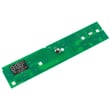
Knowing whether a washer is in a higher-end line helps set expectations for repair approach and cost. Higher-feature models often rely more on electronics and sensors, so issues may involve components like the washer user interface WH22X35537 or the GE washer electronic control board WH22X33178 rather than only mechanical parts.
If you’re troubleshooting a display, beeping, or cycle problems, we use error codes as the fastest starting point; see GE top load washer error codes.
Last updated: February 2026
What is the biggest problem with front load washers?
The biggest problem with front-load washers is moisture getting trapped around the door seal, which commonly leads to mildew, mold, and persistent odors. Even though your GE PTW600BPR1DG is a top-load washer, the same moisture-control habits help prevent smells and residue buildup.
Why front-load washers struggle with odor
Front-load designs use a tight door seal (gasket) to keep water in during tumbling. After the cycle, small amounts of water can stay in the folds of the seal and around the door opening, creating a damp environment where mildew grows.
Common contributors include:
- Leaving the door closed between loads
- Using too much HE detergent (excess suds and residue)
- Frequent cold-water washing
- Skipping routine tub cleaning cycles
- Poor laundry room ventilation
What to do if you notice odor (works for most washers)
These steps reduce moisture and detergent residue, which are the two main odor drivers:
- Wipe wet surfaces after the last load (door area, rim, dispenser)
- Leave the lid or door ajar so the tub can dry
- Run a monthly cleaning cycle (or hottest cycle) with a washer cleaner
- Use the correct amount of HE detergent for load size and soil level
- Remove wet laundry promptly and don’t store damp items in the tub
Quick comparison: front load vs top load odor risk
| Washer type | Typical odor risk | Main reason | Best daily habit |
|---|---|---|---|
| Front load | Higher | Water trapped in door gasket | Wipe gasket, leave door open |
| Top load (like PTW600BPR1DG) | Lower | Moisture under lid and residue in tub | Leave lid open, run clean cycle |
Why it matters
Odor is usually a sign of trapped moisture and detergent buildup. Addressing it early helps keep clothes smelling clean, reduces residue on the wash basket, and can prevent drain issues caused by gunk buildup over time. If the washer also won’t drain or leaves standing water, checking the GE washer drain pump assembly WH23X28418 is a practical next step.
Last updated: February 2026
Where to find model on GE washer?
On a GE washer like model PTW600BPR1DG, the model number is printed on a rating label attached to the cabinet. We most often see it under the lid opening, on the back of the control panel area, or along the side of the cabinet near the bottom.
Common places to check on a GE top-load washer
- Under the lid, around the tub opening (top rim of the cabinet)
- Back of the control panel housing (rear edge area)
- Left or right cabinet side near the bottom front
- Rear panel of the cabinet
- Inside the lid area near the hinge
What the label looks like (and what to write down)
The label usually includes the model number and serial number. For parts lookup and troubleshooting, we recommend recording:
- Model number (example: PTW600BPR1DG)
- Serial number
- Brand (GE)
| You need this for | What to use | Why |
|---|---|---|
| Ordering parts | Model number | Ensures the part fits your exact washer |
| Service history | Serial number | Identifies production run and build date |
| Troubleshooting | Model number + symptoms | Helps match the right repair steps |
Why it matters
GE often uses similar-looking cabinets across multiple washer series. Using the exact model number helps us match the correct parts list (for example, a drain issue may point you to the correct GE washer drain pump assembly WH23X28418 for PTW600BPR1DG).
Last updated: February 2026


