Owner’s manual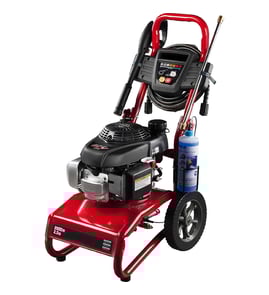



What is a good PSI for a gas pressure washer?
A good PSI for a gas pressure washer is the lowest pressure that still cleans effectively; for most home jobs, 2,000 to 3,000 PSI is the sweet spot, while 3,000 to 4,000+ PSI is best for heavy-duty concrete and paint prep. For your Craftsman 580752950, confirm the rated PSI and nozzle guidance in the 580752950 owner's manual.
Quick PSI guide by job
- 1,200 to 2,000 PSI: cars, patio furniture, grills (lower risk of damage)
- 2,000 to 3,000 PSI: decks, fences, siding, most homeowner cleaning
- 3,000 to 4,000+ PSI: driveways, masonry, stripping stubborn buildup (use extra caution)
- Any PSI: cleaning power also depends heavily on nozzle angle and distance
PSI vs GPM: what actually cleans faster
PSI is impact force; GPM is rinse volume. Two washers with similar PSI can perform very differently if GPM is different.
| Rating | What it affects most | What you notice |
|---|---|---|
| PSI | Cutting power | How easily it lifts stuck-on grime |
| GPM | Rinsing speed | How fast you flush dirt away |
| Cleaning units (PSI × GPM) | Overall productivity | How quickly the job finishes |
How to choose the right pressure safely
- Start with a wider spray tip (typically 25° or 40°) and step down only if needed
- Keep the wand moving; avoid dwelling on one spot
- Increase cleaning power by getting closer gradually, not by jumping to a narrow tip
- Use detergent only when the setup supports it; a clogged injector can reduce performance
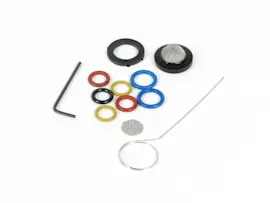
- If pressure surges or seems inconsistent, inspect seals and fittings; the pressure washer o-ring kit 317789GS is commonly used to address leaks at connections
Why it matters
Using more PSI than the surface can handle can gouge wood, etch concrete, and force water behind siding. Matching PSI to the job protects the surface and reduces wear on the pump and unloader system.
Last updated: January 2026
What kind of gas goes in a Craftsman 3000 PSI pressure washer?
For the Craftsman pressure washer model 580752950, we use clean, fresh, unleaded gasoline with a minimum 87 octane (87 AKI) rating. Avoid old fuel and don’t mix oil into the gas unless your engine specifically calls for a fuel mix in the 580752950 owner's manual.
What to use (and what to avoid)
Use fuel that helps the engine start easily and run steadily under load.
- Use unleaded gasoline, 87 AKI (87 octane) or higher
- Buy fuel in small quantities so it stays fresh
- Avoid gasoline that smells sour, looks dark, or has been stored for months
- Avoid spilling fuel on hot engine parts; refuel only when the engine is cool
- Don’t add oil to the gas (most pressure washer engines use separate crankcase oil)
Quick fuel checklist
| Item | Recommended | Notes |
|---|---|---|
| Octane rating | 87 AKI minimum | Higher is fine; lower can cause poor performance |
| Fuel type | Unleaded gasoline | Use clean, fresh fuel |
| Storage | Short-term only | Fresh fuel reduces hard-start issues |
Why it matters
Fresh, correct-octane fuel helps prevent hard starting, surging, and power loss. Many “won’t start” or “losing power” complaints trace back to stale fuel, water contamination, or incorrect fueling practices.
If it still runs rough after fresh fuel
These checks often restore normal operation on a gas pressure washer:
- Drain old fuel and refill with fresh unleaded gas
- Check the air filter and spark plug condition
- Confirm the water supply is fully on and the inlet screen is clear
- Purge air from the hose and pump before starting
- Follow the startup steps in the pressure washer won't start guide
Last updated: January 2026
How to tell if your pressure washer pump is bad?
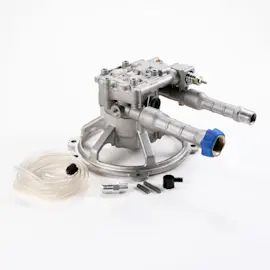
A bad pump on your Craftsman pressure washer model 580752950 usually shows up as low or surging pressure, water leaking at the pump head, or abnormal pump noise even after you confirm the spray tip and water supply are good. Use the 580752950 owner's manual for model-specific operating checks and maintenance intervals.
Quick signs the pump is failing
- Pressure is low even with a clean, correct spray tip
- Pressure pulses or surges (steady engine speed but uneven spray)
- Water leaks from the pump head or around fittings
- Pump is louder than normal (grinding, rattling, or knocking)
- Chemical draw stops working (when using the soap/chemical feature)
- Pump oil looks milky (water intrusion) or very dark (overheating and wear)
Rule out common non-pump causes first
Many “bad pump” symptoms are caused by restrictions or air leaks. Before replacing the pump, we check these items:
- Water supply: full-flow garden hose, no kinks, adequate faucet flow
- Inlet screen/filter: clean and seated
- Spray tip/nozzle: not clogged or worn (a worn tip can drop pressure)
- High-pressure hose and gun: no internal blockage, no quick-connect leaks
- Air in the system: purge air by running water through the pump with the engine off before starting
Simple tests that point to a bad pump
| What we observe | What it usually means | What to do next |
|---|---|---|
| Good water flow with engine off, but weak spray with engine on | Pump not building pressure | Inspect for leaks; consider pump replacement |
| Pressure surges and hose “kicks” rhythmically | Unloader valve sticking or pump valves worn | Follow how to replace a pressure washer unloader valve or check valves |
| Water dripping steadily from pump head | Seals or head damage | Rebuild if supported; otherwise replace pump |
| Noisy pump plus low pressure | Internal wear (plungers/bearings) | Replace pump to restore performance |
Parts that commonly fix pump-related symptoms
If the pump itself is still mechanically sound, these parts often restore pressure and stability:
- Pressure washer check valve kit 204082GS (valves that control water flow and pressure)
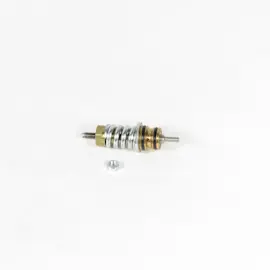
- Pressure washer unloader valve kit 772235 (controls bypass and pressure regulation)
- Pressure washer o-ring kit 317789GS (seals that prevent leaks and air intrusion)
Why it matters
Running model 580752950 with a failing pump can cause overheating, seal blowouts, and inconsistent cleaning performance. Catching leaks, surging, or milky oil early helps prevent bigger damage and reduces the chance you replace the pump when a valve or seal kit would solve it.
Last updated: January 2026