


What spare parts should I have for my furnace?
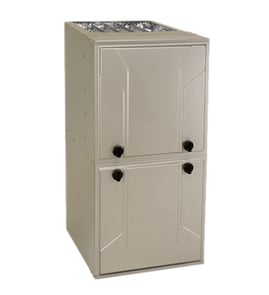
For your Icp C9MPV075F12D1 90+ 2-stage and variable-speed blower gas furnace, the best spare parts to keep on hand are the ones that commonly stop heat immediately and are quick to swap: the igniter, flame sensor, and a safety switch. For deeper electrical issues, a control board is a higher-cost but high-impact spare.
Recommended spares for C9MPV075F12D1
These are the most practical “keep-on-the-shelf” parts for this model because they are common no-heat causes and relatively straightforward to replace:
- Furnace burner igniter 1172533
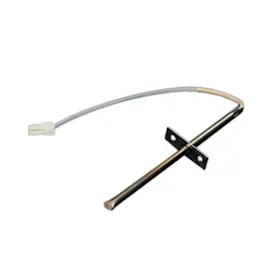
- Furnace burner flame sensor 1172827
- Furnace temperature limit switch 1013102
- Furnace door switch 1171981
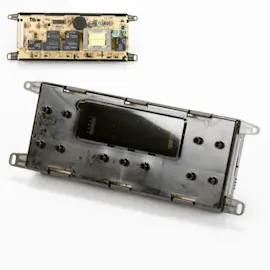
- Furnace electronic control board 1172809 (best as a planned spare if downtime is costly)
How to choose what to stock (quick guide)
Use this to match your situation to the right spare strategy.
| If your priority is... | Keep these spares | Why |
|---|---|---|
| Fastest “no-heat” recovery | Igniter, flame sensor | These are frequent no-heat culprits and small to store |
| Prevent nuisance shutdowns | Limit switch, door switch | Safety switches can open and stop the burners/blower sequence |
| Minimizing repeat service calls | Igniter, flame sensor, limit switch | Covers the most common ignition and safety lockout causes |
| Avoiding long downtime | Control board | Electronics can fail without warning and may take longer to source |
Why it matters
A condensing 90+ furnace like the C9MPV075F12D1 relies on a precise ignition sequence and multiple safety checks. When a key ignition or safety component fails, the furnace often locks out and you lose heat until the part is replaced.
Good practices when storing spares
- Keep parts in their original packaging to protect connectors and ceramics.
- Store in a dry area; moisture and corrosion cause electrical problems.
- Label each box with the furnace model number: C9MPV075F12D1.
- If you replace a part, restock it so your “no-heat kit” stays complete.
Last updated: February 2026
What is the most expensive part to fix on a furnace?
For an Icp C9MPV075F12D1 90+ 2-stage, variable-speed blower gas furnace, the most expensive repair is typically a major core component like the heat exchanger or the variable-speed blower motor. On this model’s parts list, the priciest listed component is the blower motor 1185887, which is often one of the highest-cost furnace parts.
Most expensive furnace repairs (what usually tops the list)
These are the repairs that most often drive the highest total cost because the parts are expensive and labor is more involved:
- Heat exchanger replacement (often the single most expensive component)
- Variable-speed blower motor replacement
- Electronic control board replacement
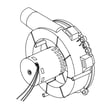
- Inducer vent motor assembly replacement
- Diagnosing and correcting repeated limit trips or airflow problems (can add labor time)
What we see on the C9MPV075F12D1 parts list
Below is a quick comparison of high-cost components commonly tied to “big” furnace repair bills.
| Component | What it does | Why it gets expensive |
|---|---|---|
| Blower motor | Moves heated air through ductwork | High part cost; setup and wiring are more complex on variable-speed systems |
| Electronic control board | Controls ignition, blower, safeties | Costly electronics; misdiagnosis can lead to repeat repairs |
| Inducer vent motor assembly | Pulls exhaust through the venting | Higher-cost assembly; venting/pressure switch checks add time |
Model-specific examples you can match to symptoms:
- No heat or short cycling can involve the furnace electronic control board 1172809 or furnace inducer vent motor assembly 1172826.
- A “runs but no flame” complaint can be as simple as a dirty flame sensor; the furnace burner flame sensor 1172827 is a common, lower-cost fix.
Why it matters
On a high-efficiency furnace like the C9MPV075F12D1, expensive parts are often tied to safety controls, combustion, or variable-speed airflow. Correct diagnosis (before ordering parts) prevents replacing a control board or motor when the real issue is airflow, wiring, or a sensor.
Last updated: February 2026
What is the most common part to fail on a furnace?
The most common furnace “failure” is actually restricted airflow from a dirty air filter, which overheats the furnace and trips a safety limit. For the Icp C9MPV075F12D1, the most commonly replaced parts in a no-heat call are the igniter and flame sensor, because they directly affect ignition and flame proving.
Most common culprits (in order)
- Dirty air filter or blocked return vents: causes overheating and repeated shutdowns
- Flame sensor: furnace lights briefly, then shuts off (often within seconds)
- Hot surface igniter: no ignition, or repeated clicking/tries with no flame
- Limit switch: opens from overheating or a weak switch; burners shut down, blower may keep running
- Inducer/venting issues: pressure switch does not prove draft; furnace will not light
- Control board or wiring problems: intermittent operation, no response, or odd cycling
Parts on this model that commonly fix “no heat”
If you are troubleshooting the Icp C9MPV075F12D1, these are the most common replacement parts we see tied to ignition and safety shutdown symptoms:
| Symptom you notice | Common suspect | Part to check/replace |
|---|---|---|
| Lights, then shuts off quickly | Dirty/weak flame sensing | Furnace burner flame sensor 1172827 |
| Tries to light but never ignites | Failed igniter | Furnace burner igniter 1172533 |
| Burners shut off, blower runs a lot | Overheat condition or weak limit | Furnace temperature limit switch 1013102 |
| Hums, won’t start, or draft not proven | Draft/venting motor issue | Furnace inducer vent motor assembly 1172826 |
Quick checks we recommend before replacing parts
- Replace the air filter and make sure return grilles are not blocked
- Confirm the thermostat is calling for heat (set to HEAT; raise setpoint)
- Check the furnace door is fully closed so the door switch is engaged
- Look for a flashing diagnostic light on the control board (if visible)
- If the burners light and then drop out fast, clean the flame sensor rod (light oxidation is common)
Why it matters
A furnace is designed to shut down safely when it senses overheating or cannot prove flame. Fixing airflow first prevents repeat shutdowns and helps protect the heat exchanger, inducer system, and control board.
Last updated: February 2026
What are the parts of the furnace?
For the Icp C9MPV075F12D1 90+ 2-stage, variable-speed blower gas furnace, the main parts include the burners and ignition system, safety sensors, draft (inducer) system, blower assembly, and the electronic controls that manage heating cycles. Many of these components are replaceable when they wear out or fail.
Core furnace parts and what they do
- Burners: mix gas and air to create flame.
- Ignition system: lights the burners (often a hot surface igniter).
- Flame sensing: proves flame is present so gas can stay on.
- Inducer (draft) assembly: pulls combustion gases through the heat exchanger and vents them.
- Heat exchanger: transfers heat to the air moving through the furnace.
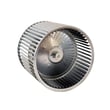
- Blower motor and wheel: pushes heated air through ductwork.
- Limit and safety switches: shut the furnace down if it overheats or a condition is unsafe.
- Control board: coordinates the sequence of operation and monitors safeties.
Common replaceable parts for this model
These are examples of parts we commonly see replaced on the C9MPV075F12D1:
- Furnace burner flame sensor 1172827
- Furnace burner igniter 1172533
- Furnace inducer vent motor assembly 1172826
- Furnace temperature limit switch 1013102
- Furnace electronic control board 1172809
- Blower motor 1185887
Quick symptom-to-part guide
| Symptom | Often involved parts | What to check first |
|---|---|---|
| Burners light then shut off | Flame sensor, control board | Clean/inspect flame sensor and wiring |
| No ignition (no flame) | Igniter, control board | Look for igniter glow and secure connectors |
| Furnace starts then stops on heat | Limit switch, airflow issues | Replace filter, check vents, then test limit switch |
| Loud draft noise or pressure issues | Inducer assembly, venting | Inspect inducer and vent/condensate routing |
Why it matters
Knowing the major furnace components helps you troubleshoot safely and avoid replacing the wrong part. For example, a “no heat” complaint can be ignition-related (igniter or flame sensor), airflow-related (limit switch trips), or control-related (control board).
Last updated: February 2026