 Owner’s manual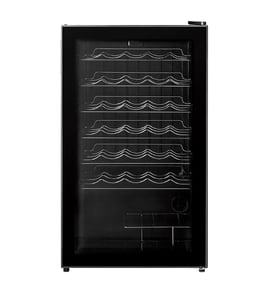

Why is my EdgeStar beverage cooler not working?
If your Edgestar CWR531SZ wine and beverage cooler is not working, the most common causes are a power supply problem, a tripped breaker or blown fuse, or the unit not being plugged in fully. We also see cooling failures when ventilation is blocked or the cooler is too close to a heat source; use the CWR531SZ owner's manual troubleshooting steps to narrow it down.
Quick checks (most fixes start here)
- Confirm the outlet has power by testing it with a lamp or phone charger.
- Make sure the cooler is plugged in firmly.
- Check your home breaker panel; reset the tripped circuit breaker.
- If your home uses fuses, replace the blown fuse.
- Verify the door closes completely and the gasket seals all the way around.
- Reduce door openings; frequent openings can make it seem like it is not cooling.
Cooling problems vs. power problems
Use this to separate a “dead” unit from a “running but not cold” unit.
| What you notice | Most likely category | What to do next |
|---|---|---|
| No lights, no fan, no sound | Power supply issue | Outlet test, plug connection, breaker/fuse check |
| Runs but will not reach set temperature | Airflow, heat load, door sealing | Improve ventilation, move away from heat, limit door openings |
| Turns on and off frequently | Ambient conditions or airflow | Check room temperature, ventilation clearance, door sealing |
| Strange noises | Normal operation or leveling | Level the unit, make sure it is not touching cabinets/appliances |
Installation and environment items that stop cooling
The manual calls out several conditions that commonly prevent proper cooling:
- Room temperature is outside the recommended ambient range.
- The cooler lacks sufficient ventilation (blocked grille, tight enclosure).
- The unit is placed too close to a heat source.
- The door is opened too often or not fully closed.
Why it matters
Wine coolers rely on steady airflow across the condenser and a tight door seal to hold temperature. When ventilation is restricted or heat load is high, the compressor cycles more, temperatures drift, and the cooler can appear “not working” even though it is running.
Last updated: February 2026
What is the difference between a wine cooler and a beverage cooler?
A wine cooler is designed to keep wine stable for storage and serving by focusing on consistent temperatures and conditions; a beverage cooler is designed to chill a wider mix of drinks quickly and conveniently. Your Edgestar CWR531SZ is optimized for wine and beverage storage, not perishable foods (see the owner's manual).
Key differences that affect performance
- Temperature goals: Wine storage commonly targets about 45 to 65°F; beverage chilling often runs colder for ready-to-drink sodas, beer, and sparkling water.
- Stability vs. speed: Wine coolers prioritize steady temperature and reduced disturbance; beverage coolers prioritize fast pull-down after loading warm cans or bottles.
- Shelving style: Wine coolers often use racks sized for wine bottles; beverage coolers typically use adjustable shelves for mixed container sizes.
- Humidity and sealing: Wine storage benefits from a good door seal and fewer door openings; frequent openings make any cooler work harder.
- Use case: Wine coolers suit collectors and long-term storage; beverage coolers suit everyday grab-and-go drinks.
What this means for the Edgestar CWR531SZ
The CWR531SZ is built for indoor use with proper ventilation and an ambient room temperature range of 50°F to 95°F. If it struggles to hit your set temperature, the most common causes are heat sources, poor ventilation clearance, or frequent door openings.
| Feature | Wine cooler focus | Beverage cooler focus |
|---|---|---|
| Best for | Wine bottles | Mixed drinks (cans, bottles) |
| Typical temp range | 45 to 65°F | Colder, quick-chill range |
| Storage layout | Bottle racks | Adjustable shelves |
| Door opening habits | Less frequent | More frequent |
Why it matters
Choosing the right cooler (and using it correctly) helps prevent temperature swings, excess frost, and long run times. For best results, let drinks cool to room temperature before loading, keep the door fully closed, and maintain the recommended ventilation clearances.
Last updated: February 2026
What is the life expectancy of a wine cooler?
Most wine coolers last 10 to 15 years with normal home use. For the Edgestar CWR531SZ, lifespan depends most on keeping it in the correct ambient temperature range, maintaining ventilation clearance, and minimizing door openings so the compressor does not short-cycle; details are in the owner's manual.
Typical lifespan and what affects it
A wine and beverage cooler’s sealed system (compressor and refrigerant loop) usually determines end-of-life. These factors have the biggest impact:
- Ambient temperature: Keep the unit where the room stays above 50°F and below 95°F.
- Ventilation: Provide adequate airflow, including some space at the back.
- Door use: Frequent or long door openings increase run time and wear.
- Leveling: A level cabinet reduces vibration and stress on components.
- Heat sources: Avoid placing the cooler near ovens, dishwashers, or direct sun.
Quick care checklist (extends life)
- Vacuum dust from vents and surrounding areas regularly.
- Confirm the door closes fully and the gasket seals all the way around.
- Let warm bottles or cans cool to room temperature before loading.
- Defrost and wipe down the interior when frost buildup appears.
- Never install the unit behind a closed cabinet door.
What “normal” operation looks like
Some cycling and sound is expected. Use this table to separate normal behavior from conditions that shorten lifespan:
| What you notice | Usually normal | What to do |
|---|---|---|
| Turns on and off often | Sometimes | Reduce door openings; improve ventilation; keep room within 50°F to 95°F |
| Strange noises | Some sounds are normal | Level the unit; make sure it is not touching cabinets or other appliances |
| Frost forming | Can happen | Open the door less; defrost and clean as needed |
Why it matters
A wine cooler that runs in the right environment and can breathe properly avoids constant short-cycling, which is one of the fastest ways to wear out the compressor and reduce overall life.
Last updated: February 2026
What is the most common problem with wine coolers?
The most common problem with wine coolers (including the Edgestar CWR531SZ) is inconsistent cooling: the unit runs but will not hold the set temperature. In most cases, the root cause is restricted ventilation, frequent door openings, a warm room location, or a door gasket that is not sealing.
Most common causes (and what to check first)
- Room is too warm: This model is designed to run in a well-ventilated area with ambient temperature above 50°F and below 95°F.
- Ventilation is blocked: Tight cabinetry, blocked vents, or dust buildup can make the compressor run longer and temperatures swing.
- Door is opened too often: Repeated openings quickly dump cold air and add humidity.
- Door is not fully closed: Even a small gap causes long run times and temperature drift.
- Door gasket is leaking: A weak seal lets warm air in and can also increase frost.
Quick troubleshooting steps for the Edgestar CWR531SZ
- Confirm the cooler is installed level and has the recommended clearance for airflow (see the owner's manual).
- Move the unit away from heat sources (ovens, grills, direct sunlight).
- Reduce door openings; avoid holding the door open while loading bottles.
- Inspect the gasket: clean it, then do a paper-strip test (it should grip firmly all around).
- If frost buildup is affecting airflow, defrost the unit: unplug it, remove contents and shelves, let it fully defrost, wipe dry, then restart.
Symptom-to-cause guide
| Symptom | Most likely cause | What we do next |
|---|---|---|
| Won’t reach set temperature | Warm room, heat source nearby, poor ventilation | Improve airflow and location first |
| Turns on and off frequently | Door openings, poor seal, warm ambient temp | Check gasket and usage habits |
| Frost forming inside | Humid environment, frequent door openings | Reduce openings; defrost if needed |
| Strange noises | Normal operating sounds, unit not level, touching cabinet | Level unit; prevent contact/rattles |
Why it matters
Wine and beverages store best when temperature stays steady. When airflow is restricted or the door seal leaks, the compressor cycles harder, temperatures fluctuate, and you can see frost, noise, and higher energy use.
Last updated: February 2026
Why is my EdgeStar wine cooler flashing Lo?
On the Edgestar CWR531SZ wine cooler, a flashing LO indicates the cooler is sensing an out-of-range low temperature condition at the cabinet sensor. The fastest fix is to raise the set temperature, confirm the unit is in a proper indoor ambient environment, and then follow the alarm and troubleshooting steps in the CWR531SZ owner's manual.
What to check first (most common causes)
- Set temperature too low: Increase the setpoint a few degrees.
- Room is too cold: If the cooler is in a basement, garage, or near an exterior door, low ambient temperature can drive the cabinet colder than intended.
- Airflow is blocked: Overpacking bottles or cans can block internal circulation.
- Door not sealing: A misaligned door or dirty gasket can cause unstable temperature control.
- Ventilation clearance: Poor clearance around the cabinet can affect how the system cycles and regulates temperature.
How to stabilize temperatures
- Increase the set temperature in small steps.
- Keep the door closed as much as possible.
- Re-arrange contents so air can move freely inside.
- Let the cooler run undisturbed to re-stabilize.
| Situation | What you do | Expected result |
|---|---|---|
| Setpoint is very cold | Raise set temperature | Display returns to a normal temperature reading after stabilization |
| Cold installation location | Move to a warmer indoor area (if possible) | Fewer alarms and steadier cabinet temperature |
| Heavy loading blocks vents | Reduce or re-space items | More even cooling top to bottom |
Why it matters
When a wine and beverage cooler runs too cold, drinks can slush or freeze and temperature swings can affect flavor and carbonation. Stable airflow, a good door seal, and a reasonable setpoint help the CWR531SZ hold consistent storage temperatures.
Last updated: February 2026