View engine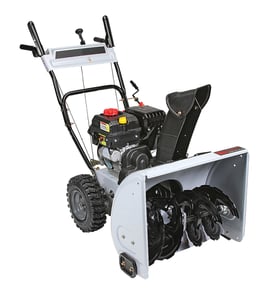





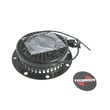
How do I tell what year my snowblower is?
For Craftsman model 536886280, the most reliable way to tell the year is to read the engine’s manufacturing date code (stamped on the engine shroud or valve cover). That code includes the year and often the exact build date, which closely matches the snowblower’s production timeframe.
Where to find the date information
Check these common locations on a gas snowblower engine:
- Blower housing (recoil starter shroud)
- Valve cover area
- Engine data label near the muffler or fuel tank
- Stamped code on the metal engine cover
- Model-type-code tag (varies by engine brand)
How to decode it (typical format)
Many small engines use a numeric date code where the first digits indicate the year. For example, a code like 99011556 is commonly read as:
| Code segment | Meaning | Example value |
|---|---|---|
| First 2 digits | Year | 99 = 1999 |
| Next 2 digits | Month | 01 = January |
| Next 2 digits | Day | 15 = 15th |
| Remaining digits | Plant/sequence | 56 |
If the engine tag is missing or unreadable
Use these practical cross-checks to narrow the year range:
- Compare your unit’s features (chute style, controls, wheels) to the illustrated parts breakdown for model 536886280
- Look for date stamps on plastic parts, belts, or pulleys (often month/year molded in)
- If the drive system has been slipping for a long time, inspect the belt and confirm the correct replacement for your build
A worn or incorrect belt can also make the machine feel “older” than it is; if you are servicing the drive, match the belt to the model’s parts list, such as the snowblower drive belt 1733324SM.
Why it matters
Knowing the year helps us match the correct carburetor parts, belts, and chute components for Craftsman snowblower repairs, especially when multiple engine versions were used across similar model families.
Last updated: January 2026
How many years should a snowblower last?
A snowblower typically lasts 10 to 20 years with normal use and consistent maintenance. For a Craftsman 536886280 (26" 8-hp snow thrower), lifespan is usually driven by off-season storage, fuel care, and keeping wear items like belts in good condition.
Typical lifespan by type
| Snowblower type | Typical lifespan | What usually ends it first |
|---|---|---|
| Gas, mid to heavy duty | 10 to 20 years | Belts, friction drive parts, carburetor issues |
| Gas, premium and lightly used | 20+ years | Corrosion, neglected fuel system |
| Electric (corded/battery) | 5 to 10 years | Motor/electronics, battery aging |
What makes a snowblower last longer
- Use fresh fuel and stabilize it before storage; drain or run the carburetor dry for long storage.
- Change engine oil on schedule and check oil level before each season.
- Keep the auger and chute clear of packed snow and ice; avoid ingesting gravel.
- Inspect and replace worn drive components early (a slipping belt overheats and fails faster).
- Store indoors, dry, and covered to prevent rust on the housing, chute, and fasteners.
Quick signs your snowblower is nearing “wear-out”
- Drive system slips, surges, or will not pull consistently under load.
- Auger or impeller slows down in heavy snow even at full throttle.
- Frequent stalling, hunting, or hard starting after sitting (often fuel system related).
- Excessive vibration, squealing, or burning rubber smell.
Parts that commonly affect longevity on model 536886280
Replacing normal wear parts on time often adds years of service:
- Snowblower drive belt 1733324SM (ground drive slipping or no forward motion)
- Snowblower auger drive belt 3887MA (auger not spinning strongly)
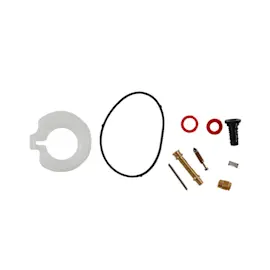
- Craftsman lawn & garden equipment engine carburetor 632334A (persistent fuel and starting problems)
Why it matters
A snowblower can “feel old” because of a few worn parts, not because the machine is done. Keeping the drive belt, auger belt, and fuel system healthy is usually the difference between a 7-year machine and a 15-year machine.
Last updated: January 2026
What is the most common problem with snow blowers?
The most common problem we see with snow blowers, including the Craftsman 536886280 26" 8-hp snow thrower, is a no-start or hard-start condition caused by stale fuel and carburetor varnish. Next most common are clogged discharge chutes and drive or auger issues from worn belts or misadjusted controls.
Most common issues (and what to check first)
- Stale fuel (especially fuel left in the tank over the off-season): drain and refill with fresh fuel.
- Carburetor gumming: if it starts only with choke or won’t stay running, inspect the carburetor and fuel passages.
- Spark plug problems: check for a fouled plug, loose wire, or weak spark.
- Chute clogging: clear packed snow and ice; never use hands.
- Auger not turning: check belt condition and engagement; inspect for obvious binding.
- Unit won’t drive or slips: inspect the ground drive belt and traction components.
Quick symptom-to-cause guide
| Symptom | Most likely cause | Good first step |
|---|---|---|
| Won’t start | Old fuel, dirty carburetor, bad spark plug | Fresh fuel, check spark |
| Starts then dies | Carburetor varnish, restricted fuel flow | Clean fuel system |
| Throws poorly or clogs | Wet snow, chute packed, chute damage | Clear chute, inspect deflector |
| Auger won’t spin | Worn/loose auger belt, linkage issue | Inspect belt and tension |
| Won’t move forward | Worn/loose drive belt, traction wear | Inspect drive belt |
Parts that commonly solve these problems
If you’re troubleshooting drive or throwing performance on model 536886280, these are frequent wear items:
- Snowblower drive belt 1733324SM (loss of forward/reverse drive, slipping)
- Snowblower auger drive belt 3887MA (auger or impeller not engaging well)
- Chute deflector 762222MA (poor aiming, snow blowback, damaged deflector)
Why it matters
Most “snowblower problems” are really fuel quality and wear-item maintenance issues. Fixing them early prevents repeated no-starts, reduces belt glazing and slippage, and restores normal throwing distance and traction.
Last updated: January 2026
Where is the model number on a snowblower carburetor?
On a Craftsman snow thrower model 536886280, the model number is typically not on the carburetor. For parts and service identification, we use the engine model/type/code stamped on the engine itself, usually on a metal shroud, valve cover area, or near the muffler.
Where to look on the engine (most common spots)
Check the engine for a stamped or printed ID plate in these areas:
- On the valve cover area (often near the overhead valve cover)
- On the metal shield or heat shield below or near the muffler
- On the cylinder shroud or blower housing (side of the engine)
- Near the recoil starter housing
- On a small tag or label attached to the engine shroud
What number you actually need (snowblower vs. engine)
Your snowblower has one model number, and the engine has its own identification. Use this quick guide:
| What you are identifying | What to look for | Where it’s found |
|---|---|---|
| Snowblower unit | Model 536886280 | On the snowblower frame or housing label |
| Engine | Engine model/type/code | Stamped into metal on the engine |
| Carburetor | Carburetor part number (if present) | Sometimes cast or stamped on the carb body |
Why it matters
Carburetors, needle seats, and float bowl parts are matched to the engine family, not just the snowblower model. Using the engine ID helps ensure you get the correct carburetor parts and avoid hard-starting, surging, or fuel leaks.
Parts that commonly relate to carburetor issues
If you are troubleshooting fuel overflow, flooding, or poor running, these parts are often involved:
- Needle seat 631021B (controls fuel shutoff at the float needle)
- Lawn & garden equipment engine carburetor o-ring 630740 (helps prevent air or fuel leaks at carb joints)
- Lawn & garden equipment engine carburetor float bowl 631951 (can corrode or leak and affect fuel level)
- Craftsman lawn & garden equipment engine carburetor 632334A (complete carburetor replacement option)
Last updated: January 2026