Error Codes



How to force GE washer to drain and spin?
To force your GE PFW950SPT1DS washer to drain and spin, use the Drain + Spin cycle: press Power, select Drain + Spin, then press Start/Pause. If it will not start, a door lock or drain restriction is usually the reason.
Quick steps to drain and spin
- Press Power to wake the control.
- Select Drain + Spin (or Spin Only if your panel offers it).
- Choose a spin speed if the washer allows it.
- Press Start/Pause.
- If the door stays locked at the end, wait 2 to 3 minutes for the lock to release.
If Drain + Spin will not run
Most front-load washers will refuse to spin if the door is not locking, the tub is not draining, or the load is badly unbalanced.
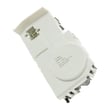
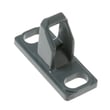
- Door will not lock or you hear repeated clicking: inspect the strike and latch area; a failed lock can stop the cycle. Consider the GE washer door lock WH01X29528 or door latch WH01X32580.
- Washer hums but does not drain: check the pump filter area for coins, lint, or a sock; a restricted filter can prevent draining. If the filter seal is damaged, use the pump filter with seal WH23X38617.
- Stops mid-cycle or will not spin with a heavy load: redistribute items, remove a few pieces, then retry Drain + Spin.
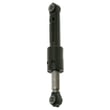
- Shakes or bangs hard during spin: worn suspension parts can cause out-of-balance shutdowns; check the washer shock absorber WH03X29516 and suspension spring WH03X29511.
What to check first (fast diagnosis)
| Symptom | Most likely cause | What we recommend |
|---|---|---|
| Won’t start Drain + Spin | Door not locking | Check latch alignment; replace lock/latch if needed |
| Water remains in tub | Clogged filter or weak pump | Clean filter; inspect pump/filter seal |
| Drains but won’t spin | Unbalanced load or suspension issue | Rebalance load; inspect shocks/springs |
Why it matters
Drain + Spin is the safest way to clear standing water and protect the drive system. Running repeated cycles without fixing a door-lock or drain problem can lead to no-spin errors and wet loads.
For code-based troubleshooting, use our GE profile front load washer error codes.
Last updated: February 2026
Is GE Ultrafresh Vent worth it?
Yes, for most owners of the GE PFW950SPT1DS, UltraFresh Vent is worth it because it helps dry the tub and door area after washing, which reduces musty odors and mold on the door boot. It is most valuable if you frequently close the door between loads or run back-to-back cycles.
What UltraFresh Vent helps with (and what it does not)
UltraFresh Vent is designed to manage moisture left behind in a front-load washer.
- Helps dry the drum and door area after the cycle
- Reduces odor buildup from trapped moisture
- Can slow down mold and mildew growth on the door gasket
- Does not replace regular cleaning and good laundry habits
- Does not fix leaks, drainage problems, or a torn door boot
Quick “worth it” checklist
Use this to decide if the feature pays off for you.
| If this is you | UltraFresh Vent value | Why |
|---|---|---|
| You often forget to leave the door ajar | High | Moisture stays trapped in the tub and gasket area |
| You live in a humid climate or laundry room | High | Drying takes longer without airflow |
| You already wipe the gasket and leave door open | Medium | You are already preventing most odor issues |
| You rarely wash and the washer sits closed | Medium to high | Stagnant moisture is a common odor trigger |
Keep the washer odor-free (best practices)
Even with venting, these habits make the biggest difference.
- Leave the door slightly open between loads when possible
- Wipe the door gasket folds and glass if you see standing water
- Use the right detergent amount; excess suds leave residue
- Run a monthly cleaning cycle (or hot wash) to reduce buildup
- Check and clean the pump filter area if draining seems slow
If you are already fighting odor or visible mold, follow our step-by-step cleaning guidance in how to keep a washer odor free.
When a part issue makes venting seem “not worth it”
If the washer cannot drain well or the door area is damaged, moisture and odor return quickly.
Common related parts for the GE PFW950SPT1DS include:
- Pump filter with seal WH23X38617 (helps prevent clogs and slow draining)
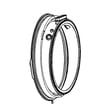
- Washer door boot WH05X29514 (a damaged boot can trap water and grow mildew)
Why it matters
Front-load washers clean efficiently, but they also seal tightly. Anything that improves drying, plus basic maintenance, directly reduces odor, gasket staining, and repeat cleaning.
Last updated: February 2026
What are the common problems with direct drive washers?
Direct-drive washers most often have problems related to the motor system, draining, and vibration control. On a GE washer like model PFW950SPT1DS, symptoms such as no spin, loud humming, or shaking usually trace back to the drive motor, drain pump or filter, door lock system, or suspension components.
Common direct-drive washer problems (and what you notice)
- Won’t spin or tumbles weakly: motor or control-related issues; sometimes a load-balance problem.
- Won’t drain or stops mid-cycle: clogged filter, restricted drain path, or a failing pump.
- Door won’t lock or won’t unlock: door lock or latch problems prevent the cycle from starting or finishing.
- Excessive vibration or banging: worn shocks or suspension parts, or chronic overloading.
- Grinding, rubbing, or thumping noises: loose items between tub and basket, worn suspension, or a drive component issue.
Parts that commonly solve these symptoms on PFW950SPT1DS
If your symptoms match, these model-specific parts are common fixes:
| Symptom | Common cause | Example part for this model |
|---|---|---|
| Door won’t lock, won’t start | Failed lock or latch | GE washer door lock WH01X29528 |
| Won’t drain, water left in tub | Clogged filter or weak pump | Pump filter with seal WH23X38617 |
| Shakes or walks | Worn dampening | Washer shock absorber WH03X29516 |
| Won’t fill or fills slowly | Inlet valve or screen restriction | GE washer water inlet valve WH23X29553 |
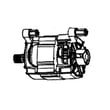
| No spin, loud hum, burning smell | Motor or drive issue | GE washer drive motor WH03X29524 |
Quick checks we recommend before replacing parts
- Reset power: unplug for 2 minutes, then retry.
- Reduce and rebalance the load: bulky items can trigger out-of-balance protection.
- Check draining: verify the drain hose is not kinked and the standpipe is not backing up.
- Clean the pump filter area: debris can cause drain errors and noise.
- Look for simple causes of noise: coins, screws, or bra wires can rattle between basket and tub.
Error codes and why they matter
Direct-drive washers rely on sensors and electronic controls to protect the motor and manage balance. When something is off (drain time, lock feedback, motor speed, vibration), the washer may stop and show an error code to prevent damage. Use our GE profile front load washer error codes guide to match the code to the most likely checks and parts.
Last updated: February 2026