Owner’s manual
 Error Codes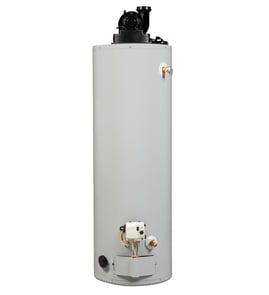



How do I read my water heater model number?
For Kenmore model 153337462, we use the model rating plate on the front of the tank to identify the exact model number. On this water heater, the rating plate is located near the gas control valve; match the model number exactly as printed when looking up parts or service info in the owner's manual.
Where to find the model number on the tank
Look for a label called the model rating plate on the front of the water heater.
- Check the front of the tank first
- Look near the gas control valve (the control with the temperature knob)
- Copy the model number and serial number exactly as shown
- Use the model number to match parts like a pilot assembly, thermocouple, or relief valve
- Keep a photo of the plate for future part orders
What to write down (and what to ignore)
The rating plate can include a lot of technical data. For parts lookup, these are the most useful items.
| Item on the rating plate | What we use it for |
|---|---|
| Model number | Ensures the parts list matches your exact water heater |
| Serial number | Helps identify production details when comparing replacement parts |
| Gas type and input (BTU) | Useful for confirming correct burner and pilot components |
| Other certification text | Usually not needed for ordering parts |
Why it matters
Kenmore water heaters often have similar-looking tanks across different series. Using the exact model number from the rating plate helps you avoid ordering the wrong gas control-related parts (for example, a pilot 100109070 or a temperature and pressure relief valve) and reduces installation and fit issues.
Last updated: February 2026
What is the most common problem with a gas water heater?
The most common gas water heater problem is a pilot outage (pilot light goes out), which leads to not enough or no hot water. On Kenmore model 153337462, our first checks are the manual gas shut-off valve position and whether the pilot flame is lit, using the lighting steps in the owner's manual.
Quick checks we recommend first
- Confirm the manual gas shut-off valve is fully open.
- Look through the viewing opening behind the outer door to verify the pilot flame is lit.
- Make sure the gas control knob is set to ON.
- Verify the temperature dial is not set too low (see temperature regulation in the manual).
- Check for leaking or open hot water faucets that can mimic “no hot water.”
- If the tank was extremely hot and then suddenly went cold, the high temperature shut-off may have activated.
Common symptoms and the most likely causes
| Symptom | What it usually points to | What to do next |
|---|---|---|
| No hot water | Pilot out, gas shut-off closed, control not ON | Re-light pilot per manual; confirm gas valve settings |
| Pilot won’t stay lit | Weak/dirty pilot system, thermocouple issue | Inspect pilot assembly; consider replacing the pilot parts |
| Water suddenly turns cold after being very hot | High temperature shut-off triggered | Turn gas OFF; replace gas control valve (service recommended) |
| Rumbling or popping noises | Sediment buildup in tank | Flush tank per maintenance guidance in the manual |
Parts that commonly solve “pilot out” complaints
If your troubleshooting points to the pilot system, these model-compatible parts are commonly involved:
- Pilot 100109070 (pilot assembly)
- Water heater pilot tube assembly 100108370
Why it matters
A pilot outage is more than an inconvenience; it stops heating completely and can also signal venting or combustion issues. The manual also notes that soot buildup indicates a condition that must be corrected before further use, so it is important to follow the safety steps in the owner's manual.
Last updated: February 2026
What is the life expectancy of a Kenmore water heater?
Most Kenmore gas water heaters, including model 153337462, last 8 to 12 years. Regular maintenance (especially protecting the tank from corrosion and managing sediment) helps you reach the high end of that range and avoid early tank failure.
What affects lifespan the most
- Water quality and sediment: Hard water and heavy sediment make the heater work hotter and longer.
- Anode rod condition: The anode sacrifices itself to protect the tank from rust.
- Temperature setting: Higher settings increase stress on the tank and components.
- Venting and combustion air: Poor venting can cause performance problems and extra wear.
- Leaks and small issues left unresolved: Minor seepage at fittings can turn into bigger damage.
Maintenance that extends life (high impact)
Use the schedule and procedures in the owner's manual. For most gas water heaters, these steps make the biggest difference:
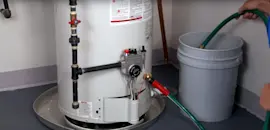
- Flush a few gallons from the drain valve periodically to reduce sediment.
- Test the temperature and pressure relief valve for proper operation.
- Inspect for water leaks at the tank, fittings, and gas control area.
- Check burner and pilot operation; a weak pilot can cause nuisance shutdowns.
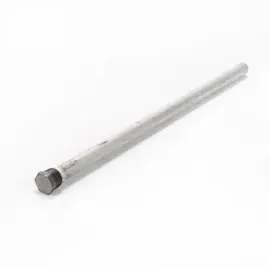
- Replace the anode rod when it is heavily depleted (do not run the tank without one).
Common parts tied to longevity
| What you maintain | What it protects | Example part for this model |
|---|---|---|
| Anode rod | Tank from corrosion | Anode rod 100108660 |
| Temperature and pressure relief valve | Overpressure and overheating safety | Water heater temperature and pressure relief valve 100108279 |
Why it matters
A water heater usually fails from tank corrosion or overheating stress. Staying ahead of anode wear and sediment buildup is the most reliable way to keep your Kenmore 153337462 running longer and reduce the chance of sudden leaks.
Last updated: February 2026
What are the parts on a gas water heater?
On the Kenmore 153337462 Power Miser 8 gas water heater, the main parts include safety components (T&P relief valve), corrosion protection (anode rod), hot water delivery parts (dip tube), and the gas burner and pilot system (thermocouple, pilot, manifold, orifice). For diagrams and the full parts list, use the owner's manual.
Common parts you will see on this model
These are the key components called out in the model’s parts list and what they do:
- Temperature-pressure relief valve (T&P valve): safety valve that opens if temperature or pressure gets too high
- Primary anode rod: sacrificial rod that helps prevent tank corrosion
- Drain valve and drain valve washer: used to drain the tank for maintenance
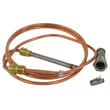
- Thermocouple and pilot tubing: proves pilot flame and supports safe gas operation
- Burner orifice, manifold, and burner: meters gas and creates the main burner flame
- Gas control valve and temperature adjustment knob: controls gas flow and water temperature
- Dip tube: directs incoming cold water to the bottom of the tank for efficient heating
Quick “part to symptom” guide
Use this as a fast way to connect what you’re seeing to what to inspect first.
| If you notice this | Common part area to check | What it affects |
|---|---|---|
| Water dripping from a discharge pipe | T&P relief valve | Safety pressure/temperature relief |
| Rotten egg smell or faster corrosion | Anode rod | Tank protection and water chemistry |
| Lukewarm water or short hot-water supply | Dip tube | Hot-water delivery efficiency |
| Pilot will not stay lit | Thermocouple, pilot, pilot tubing | Safe ignition and flame sensing |
| Weak burner flame or poor heating | Burner orifice, manifold, burner | Gas flow and combustion |
Parts we commonly replace for Kenmore 153337462
When you’re ready to match a replacement to your exact unit, these model-specific parts are commonly ordered:
- Anode rod 100108660 (part number 9000734)
- Water heater temperature and pressure relief valve 100108279 (part number 9000071)
- Dip tube 100108709 (part number 9001698)
- Pilot 100109070 (part number 9000284)
- Orifice 100108635 (part number 0230120)
Why it matters
Knowing the major gas water heater parts helps you troubleshoot safely and order the correct replacement the first time. On a gas model like the Kenmore 153337462, the pilot, thermocouple, manifold, and gas control components are especially important because they directly affect ignition and safe operation.
Last updated: February 2026