Owner’s manual
 Error Codes



What is the life expectancy of a Kenmore water heater?
Most Kenmore gas water heaters, including model 153331690, typically last 8 to 12 years with normal use and proper maintenance. Water quality, temperature setting, and routine tank care (like flushing sediment) are the biggest factors that shorten or extend service life.
What affects how long it lasts
- Water hardness and sediment: More mineral buildup makes the burner work harder and can overheat the tank bottom.
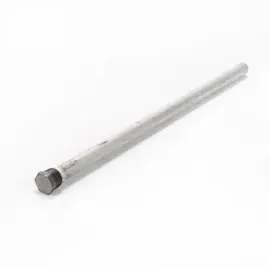
- Anode rod condition: A worn anode rod speeds up tank corrosion.
- Temperature setting: Higher settings increase stress on the tank and components.
- Venting and combustion air: Poor draft or restricted air can cause burner and pilot problems.
- Leak history: Once the tank itself leaks, replacement is typically the practical fix.
Maintenance that helps you reach the high end of the range
Use the 153331690 owner's manual for the exact maintenance and safety steps for your unit. In general, these habits help most gas water heaters:
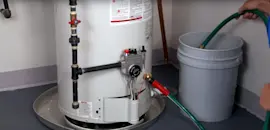
- Flush a few gallons from the tank periodically to reduce sediment
- Test the temperature and pressure relief valve for proper operation
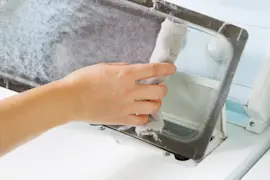
- Inspect the burner area for dust, lint, or soot
- Check for small leaks at fittings before they become bigger problems
- Replace sacrificial corrosion protection parts on schedule (when applicable)
Quick “age vs. action” guide
| Water heater age | What we recommend | What it usually means |
|---|---|---|
| 0 to 5 years | Maintain and monitor | Normal service life; address minor issues early |
| 6 to 10 years | Plan for repairs or replacement | Wear items (pilot, thermocouple, gas valve) become more common |
| 11 to 12+ years | Budget for replacement | Tank corrosion risk increases significantly |
Why it matters
Knowing the typical 8 to 12 year life expectancy helps you decide whether to invest in repairs (like ignition or pilot issues) or plan a replacement before a tank leak causes water damage.
Last updated: January 2026
How do I read my water heater model number?
For your Kenmore gas water heater model 153331690, the model number is printed on the rating plate (the sticker/label on the tank). Use that exact model number plus the serial number when ordering parts or checking specifications in the 153331690 owner's manual.
Where to find the model number on the tank
Look for the rating plate on the outside of the water heater jacket. On this model, the manual identifies the rating plate as a key component on the unit.
Common places to check:
- Side of the tank near the middle or upper area
- Near the gas control valve/thermostat area
- Near the burner access door area
- Any label that lists capacity, gas type, and safety information
What to write down (and why)
When you locate the rating plate, record these items exactly as shown:
- Model number (example: 153331690)
- Serial number (unique to your tank)
- Type of gas (Natural gas or L.P.)
- Product number (if listed)
Quick reference: what each item is used for
| Item on rating plate | What we use it for |
|---|---|
| Model number | Matching the correct parts list and diagrams |
| Serial number | Identifying production details for service |
| Gas type | Ensuring burner and pilot parts match the fuel |
| Product number | Additional identification for ordering |
Why it matters
Kenmore water heaters often share similar-looking tanks across different gallon sizes and fuel types. Using the exact model number from the rating plate helps prevent ordering the wrong gas valve, pilot assembly, or burner components.
Parts ordering tip for this model
If you are ordering ignition or burner-area parts, match the model number first, then confirm the part description. Common examples on this model page include the pilot assembly 100093983 and water heater thermocouple 100112327.
Last updated: January 2026
How do I tell if my water heater thermostat is bad?
On Kenmore gas water heater model 153331690, a failing thermostat or gas control typically shows up as water that is too hot, too cool, or inconsistent, or as a shutdown indicated by the status light. Use the 153331690 owner's manual to confirm the dial setting and interpret the status light pattern.
Quick signs the thermostat or gas control is failing
If these symptoms repeat, the temperature control system is the first place to focus:
- Hot water temperature swings (hot then lukewarm)
- Water is consistently too hot at a normal dial setting (scald risk)
- No hot water even though the pilot is lit
- Status light shows a diagnostic flash pattern or a solid red shutdown
- Burner short-cycles or will not stay on long enough to heat
Checks we recommend before replacing parts
These are safe checks that often pinpoint the cause:
- Verify the dial setting: a common starting point is about 120°F at the “HOT” setting; the manual notes temperatures are approximate.
- Check multiple faucets: one fixture can mislead you (faucet cartridge or mixing valve issue).
- Watch the status light after lighting the pilot: normal operation is typically 1 flash.
- If you see an overheat code: turn the gas control to OFF and shut off the manual gas valve; service is needed.
Status light patterns that help narrow it down
| Status light pattern | What it points to | Next step |
|---|---|---|
| 0 flashes | Control off or pilot out | Follow lighting instructions and confirm gas supply is on |
| 1 flash | Normal operation | Look for faucet-side causes or sediment issues |
| 4 flashes | Overheat failure | Shut gas off; have the water heater serviced |
| Solid red | Control shutting down | Use the troubleshooting chart in the manual |
Parts commonly involved
If diagnosis confirms a control problem, these parts are often involved:
- Water heater gas valve and temperature control assembly 100112338 (sets temperature and controls gas flow)
- Pilot assembly 100093983 (pilot and flame-sensing components that affect burner operation)
Why it matters
Temperature markings on the control are approximate, and overheating triggers a built-in safety shutoff. Using the dial setting plus the status light code is the fastest way to separate a true control failure from a pilot, venting, or faucet-side issue.
Last updated: January 2026