Error Codes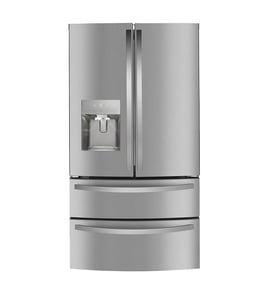





Can I replace fridge parts myself?
Yes, for Gladiator model GARF30FDGB04, we can replace many common refrigerator parts ourselves (like a door gasket, shelves, or a fan blade) with basic tools and careful handling. For sealed-system or refrigerant-line repairs, we use a qualified service technician for safety and proper charging.
These repairs are typically straightforward and low-risk when the refrigerator is unplugged.
- Replace a worn door seal such as the refrigerator door gasket (black) W11102846
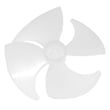
- Swap a noisy or damaged fan blade like the refrigerator evaporator fan blade WP2169142
- Replace a condenser fan motor or fan assembly (if accessible) such as the refrigerator condenser fan WPW10139483
- Reinstall or replace shelves and bins (for example, a glass shelf assembly)
- Tighten or replace loose hardware (for example, a mounting screw WP489478)
Work involving refrigerant lines, brazing, vacuum, or charging needs specialized tools and training.
- Sealed-system leaks and refrigerant charging
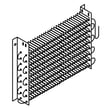
- Replacing the evaporator or condenser coil
- Installing refrigerant connectors and Lokring fittings
- Compressor and start device diagnosis when it involves live-voltage testing
| Task type | Typical DIY? | Why |
|---|---|---|
| Door gasket replacement | Yes | Improves sealing and efficiency without refrigerant work |
| Fan blade/fan replacement | Often | Common noise and airflow fix with basic disassembly |
| Refrigerant tubing repair | No | Requires sealed-system tools and correct refrigerant handling |
| Evaporator/condenser replacement | No | High risk of leaks and improper charging |
Choosing the right level of repair protects the cooling system and prevents repeat problems. A simple airflow issue (evaporator fan, condenser fan, door gasket) can look like a major cooling failure, so starting with safe DIY checks saves time and cost.
- Unplug the refrigerator (or switch off the breaker)
- Protect floors and door edges; use a towel and a shallow pan for any meltwater
- Take photos of wire routing and screw locations as you disassemble
- Confirm the symptom first (noise, warm temps, frost buildup, door not sealing)
- Use a step-by-step guide such as can i fix my own fridge when planning the repair
Last updated: February 2026
What are the most commonly replaced parts in a refrigerator?
In the Gladiator GARF30FDGB04 refrigerator, the most commonly replaced items are airflow parts (evaporator and condenser fan components), door sealing parts, and wear items like shelves and bins. These parts affect cooling performance, temperature stability, and energy use more often than sealed-system components.
- Door gasket: prevents warm air leaks and frost buildup (example: refrigerator door gasket (black) W11102846)
- Evaporator fan parts: move cold air through the cabinet (example: refrigerator evaporator fan blade WP2169142)
- Condenser fan: removes heat from the condenser area (example: refrigerator condenser fan WPW10139483)
- Temperature sensing and covers: helps the control maintain set temps (example: refrigeration appliance temperature sensor cover W10608692)
- Shelves and storage parts: break from load or impact (examples: glass, shelf assembly W11244102, metal, shelf assembly W11047286)
- Door hardware: hinges and supports wear or loosen (example: refrigerator door hinge thimble WP2314293)
| Symptom | Most likely area | Example part for GARF30FDGB04 |
|---|---|---|
| Warm temps, weak airflow | Evaporator fan area | WP2169142, W11499658 |
| Hot cabinet sides, noisy rear | Condenser fan area | WPW10139483 |
| Frost, sweating, or hard-to-close door | Door seal | W11102846 |
| Shelves won’t sit level or are cracked | Shelving | W11244102, W11047286 |
These parts are replaced most because they handle daily wear (doors opening, vibration, airflow, and loading shelves). Fixing them early helps prevent food spoilage, excess frost, and longer compressor run times.
- Listen for fan noise changes; rattling often points to a damaged blade or fan motor.
- Check the door seal with a paper-strip test; easy pull-out indicates a leak.
- Clean dust from the condenser area to reduce heat and fan strain.
- If you suspect evaporator fan trouble, follow how to fix your evaporator cooling fan.
Last updated: February 2026
What is the most expensive thing to fix on a refrigerator?
On the Gladiator GARF30FDGB04 refrigerator, the most expensive repair is typically a sealed system job, most often replacing the compressor or fixing a refrigerant leak. These repairs cost the most because they require specialized tools, refrigerant handling, and more labor time than common part swaps.
Sealed system repairs are the top-cost category because they involve the refrigeration circuit (compressor, condenser, evaporator, drier, and refrigerant lines).
- Compressor or sealed system leak repair: highest labor and specialized service
- Evaporator or condenser replacement: often bundled with sealed system work
- Refrigerant line repairs/connectors: requires evacuation and recharge
- Control or sensor diagnosis time: can add cost even when the part is inexpensive
- Door sealing issues: usually cheaper, but can cause expensive symptoms if ignored
| Repair type | Typical cost driver | DIY-friendly? |
|---|---|---|
| Sealed system (compressor/leak) | Specialized labor, refrigerant work | No |
| Cooling airflow (fans) | Moderate parts cost, moderate labor | Sometimes |
| Door sealing/alignment | Low to moderate parts cost | Often |
If you are troubleshooting poor cooling on the GARF30FDGB04, these model-matched parts often come up during diagnosis:
- Condenser W11507065 (part of the heat-rejection side of the sealed system)
- Drier tube W11109499 (commonly replaced during sealed system service)
- Refrigerator condenser fan WPW10139483 (airflow across the condenser)
- Refrigerator evaporator fan blade WP2169142 (airflow through the evaporator)
A failing sealed system can look like a simple “not cold enough” complaint, but it is the costliest category of refrigerator repair. Checking basics first (door seal, airflow, frost buildup, fan operation) helps you avoid paying for sealed system work when the root cause is simpler.
Use our DIY guide how to fix your evaporator cooling fan to rule out airflow problems before assuming a sealed system failure.
Last updated: February 2026
Why is my gladiator refrigerator freezer not cooling?
If your Gladiator GARF30FDGB04 freezer is not cooling, the most common causes are poor airflow (dirty condenser area), a failed evaporator fan, or a condenser fan problem. Start with airflow and fan checks before moving to sealed-system or compressor-start issues.
- Make sure the temperature control is set colder and the door is closing tightly.
- Listen for the evaporator fan inside the freezer; it should run when the compressor is running.
- Check for heavy frost on the back freezer panel (often points to a defrost/airflow issue).
- Clean dust from the condenser area and confirm nothing blocks the air vents.
- Verify the condenser fan by the compressor runs; if it is stalled, cooling drops fast.
| What you notice | Most likely cause | What to check next |
|---|---|---|
| Freezer warm, fridge also warm, compressor running | Airflow problem or fan not moving air | Evaporator fan and condenser fan operation |
| Freezer warm, loud buzzing or clicking near compressor | Start device issue or compressor struggling | Start components, wiring, compressor behavior |
| Frost blanket on freezer back wall | Air cannot circulate through evaporator | Defrost system and evaporator cover area |
| Fan noise changed, rattling, or scraping | Fan blade damaged or hitting ice | Inspect/replace fan blade |
If the fan is running but moving little air, or it is noisy and wobbling, the blade can be the issue: refrigerator evaporator fan blade WP2169142. If the freezer fan is not running at all, the evaporator fan motor is a common next suspect (browse the model’s parts list for the exact motor).
If the condenser fan by the compressor is not running or is noisy, that can also stop cooling: refrigerator condenser fan WPW10139483.
A freezer that is not cooling is usually an airflow failure first. Fixing a fan or clearing airflow restores normal temperatures and helps prevent compressor overheating and food spoilage.
For step-by-step fan troubleshooting, use: how to fix your evaporator cooling fan.
Last updated: February 2026