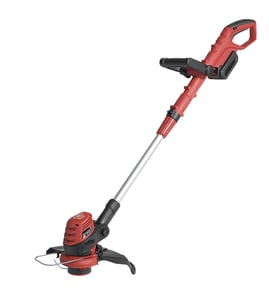

What is the lifespan of a line trimmer?
A gas line trimmer like the Craftsman 636796232 typically lasts 8 to 12 years with normal homeowner use and routine maintenance; in heavy, commercial-style use, lifespan is better measured in run-time and is commonly 900 to 1,200+ hours when cared for properly. You can also search by model number on Sears PartsDirect if you need replacement parts.
Typical lifespan ranges (what to expect)
Lifespan depends most on hours of use, fuel quality, and how often wear items are serviced.
- Homeowner use: 8 to 12 years
- Heavy use (hours-based): 900 to 1,200+ hours
- Shortened lifespan causes: stale fuel, dirty air filter, overheating, running lean, poor storage
- Extended lifespan habits: fresh fuel mix, clean cooling fins, correct line size, regular tune-ups
| Usage pattern | What to track | Typical outcome |
|---|---|---|
| Occasional trimming | Seasons/years | Longer calendar life |
| Weekly edging and brush | Hours | Moderate wear rate |
| Contractor-level use | Hours + maintenance log | 900 to 1,200+ hours |
Maintenance that most affects lifespan
These are the items we see drive reliability on 2-cycle gas trimmers and brushcutters.
- Use fresh, correctly mixed fuel (and empty the tank for long storage)
- Keep the air filter clean so the engine does not run rich and foul the plug
- Replace or clean the spark plug on schedule
- Inspect the fuel lines and primer bulb for cracking or leaks
- Keep the cooling fins and recoil area free of debris to prevent overheating
- Use the correct trimmer line diameter to avoid overloading the clutch and engine
Signs your trimmer is near end-of-life
A single symptom is usually repairable; multiple symptoms together often indicate overall wear.
- Hard starting even with fresh fuel and a good plug
- Loss of power under load (bogging) after basic tune-up steps
- Excessive vibration (worn clutch, bent shaft, or damaged head)
- Frequent fuel leaks or recurring carburetor issues
Why it matters
Knowing whether you are dealing with age-related wear versus a simple maintenance issue helps you decide between a tune-up (fuel system, ignition, air intake) and a larger repair (clutch, drive shaft, engine).
Last updated: February 2026
Which is better, .080 or .095 trimmer line?
For the Craftsman 636796232 line trimmer, .095-inch line is better for durability and cutting thicker weeds, while .080-inch line is better for lighter trimming and smoother feeding. The right choice is the largest diameter your trimmer head is designed to accept.
Quick comparison
| Feature | .080 line | .095 line |
|---|---|---|
| Best for | Routine grass trimming, edging | Heavy grass, weeds, tougher stems |
| Wear life | Good | Longer |
| Feed reliability | Typically smoother | Can be more prone to binding if the head is tight |
| Engine load | Lower | Higher |
How we recommend choosing for Craftsman 636796232
Start with what the cutting head and spool are built for, then match the line to your yard conditions.
- Use .080 for light grass, frequent touch-ups, and clean edging along sidewalks.
- Use .095 when you regularly cut thicker weeds and want fewer line breaks.
- If the head jams, feeds unevenly, or the line welds together on the spool, drop to .080.
- If the line snaps constantly or frays quickly, move up to .095 (only if the head allows it).
- Do not force thicker line through the eyelets; it causes binding and poor bump-feed performance.
Fit and compatibility checks (important)
Because this model page does not list a specific trimmer head or spool spec, use these practical checks before you buy line:
- Look for a diameter marking on the spool, head cap, or guard label.
- If you are reusing the old line, measure it with a simple ruler or caliper.
- Confirm the head can pass the line through the eyelets without dragging.
Why it matters
Line diameter changes cutting power, fuel use, vibration, and how reliably the bump-feed head advances line. Using the correct diameter prevents jams and helps the Craftsman 636796232 trim efficiently.
Buying tip
If you do not see the exact accessory you need listed for this model, search by model number 636796232 on Sears PartsDirect to find compatible trimmer line and related maintenance items.
Last updated: February 2026
How to replace trimmer line on Craftsman Weedwacker?
To replace trimmer line on your Craftsman 636796232 line trimmer, you remove the trimmer head cap, take out the spool and spring, wind new line evenly in the direction shown on the spool (or head), then reinstall everything so the line feeds smoothly when you bump the head.
Before you start (safety)
- Turn the engine off and let it cool completely.
- Disconnect the spark plug wire to prevent accidental starting.
- Wear gloves and eye protection.
- Clear grass and dirt from the trimmer head so the cap releases cleanly.
Re-stringing steps (typical bump-feed head)
- Remove the bump knob or cap (either press side tabs or unscrew, depending on head style).
- Lift out the spool and spring; keep them in order for reassembly.
- Remove old line and clean the spool channels and eyelets.
- Cut two equal lengths of trimmer line (many dual-line heads use about 10 to 20 ft total, but use the length that fits your spool without forcing it).
- Anchor the line in the spool slot or holes; wind tight, even wraps in the arrow direction.
- Feed the line ends through the head eyelets; leave enough outside the head to grab and pull (a common starting point is about 4 to 6 in per side).
- Reinstall the spring, spool, and cap; make sure the cap locks fully.
Quick checks after reassembly
| Check | What it should do |
|---|---|
| Pull each line end | Moves with light, even resistance |
| Spin head by hand | Turns without scraping or wobble |
| Bump test (engine off) | Line advances in small increments |
Why it matters
Even, correct-direction winding prevents tangles and improves feed performance; it also reduces wear on the spool, eyelets, and bump mechanism.
If you need a replacement spool, cap, spring, or other parts for Craftsman 636796232, start with the model parts list and ordering options on Sears PartsDirect.
Last updated: February 2026
How to replace a wire trimmer head?
On your Craftsman 636796232 37.7-cc gas brushwacker, replacing the trimmer head is typically a lock-the-shaft and unthread-the-head process. The key is locking the gearbox shaft securely and turning the head in the correct direction for your head’s thread style.
Safety and prep
- Shut the engine off and let it cool completely.
- Disconnect the spark plug wire so it cannot start.
- Wear gloves and eye protection.
- Clean grass, dirt, and wrapped line from the head and guard area.
Remove the old trimmer head (common method)
- Lock the shaft: Look for a small shaft-lock hole/slot in the gearbox housing behind the head. Rotate the head by hand while inserting a screwdriver, pin, or Allen key until the shaft locks.
- Unthread the head: With the shaft locked, turn the head to loosen it.
- Save the stack-up: Keep any washer, spacer, thrust plate, or adapter in order so the new head installs the same way.
Install the new head
- Start threading the new head on by hand to avoid cross-threading.
- Lock the shaft again and tighten until snug (do not overtighten).
- Reconnect the spark plug wire; test at low throttle and confirm the head spins true with minimal vibration.
Quick guide: which way do I turn?
| What happens when you turn counterclockwise | Likely thread type | What to do |
|---|---|---|
| It loosens | Standard thread | Keep loosening counterclockwise |
| It tightens | Reverse thread | Loosen clockwise instead |
| It will not move | Shaft not locked or debris/corrosion | Re-lock shaft, clean, then retry |
Why it matters
Locking the shaft and turning the correct direction prevents stripped threads on the gearbox output shaft and helps avoid vibration or a head that loosens while trimming.
Getting the right replacement head
Match the replacement by model number 636796232 and by head type (bump-feed, fixed-line, blade-capable). If you do not see the exact head listed for this brushwacker, search by model on Sears PartsDirect to find compatible heads and any required adapters.
Last updated: February 2026