 Owner’s manual
Can wine coolers be repaired?
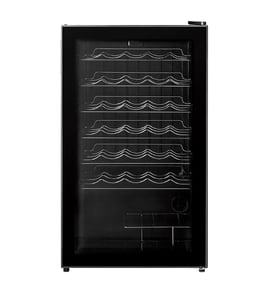
Yes, wine coolers like the Vissani MCWC50DST can usually be repaired. Most problems come from airflow restrictions, dirty condenser coils, a failed door seal, a bad fan, or an electrical control issue; many of these are serviceable with basic troubleshooting and the right replacement parts.
- Confirm the unit has power and the outlet is working (try a lamp in the same outlet).
- Make sure the temperature setting is correct and the display is responding.
- Verify the door closes fully and the gasket seals all the way around.
- Clean dust from the condenser area and ensure ventilation space around the cabinet.
- Listen for the evaporator fan and condenser fan (if equipped) when the unit is running.
- Look for heavy frost on the back wall or evaporator cover (can point to defrost or airflow issues).
| Symptom | Most common cause | Typical fix |
|---|---|---|
| Not cooling enough | Dirty condenser, poor ventilation, weak door seal | Clean coils, improve airflow, inspect/replace gasket |
| Runs constantly | Warm room, frequent door openings, airflow restriction | Improve ventilation, reduce openings, clean condenser |
| Loud buzzing or rattling | Fan blade hitting ice/wire, loose panel | Clear ice, secure panels, inspect fan |
| No power or dead display | Outlet issue, cord damage, internal fuse/control | Test power, inspect wiring, test components |
A wine and beverage cooler is a sealed refrigeration system; when airflow or sealing is poor, the compressor works harder, temperatures drift, and parts wear faster. Catching simple issues early often prevents bigger failures.
- Use the MCWC50DST owner's manual for model-specific operating tips, ventilation requirements, and control settings.
- If you need to locate the correct replacement part by model number, start with the parts list for MCWC50DST, or search by model on Sears PartsDirect.
Some repairs are best handled by a technician, especially:
- Refrigerant leaks or sealed-system compressor work
- Repeated tripping of a breaker or signs of overheating wiring
- Control board diagnostics when the unit will not start
Last updated: February 2026
What is the difference between a wine cooler and a beverage cooler?
A wine cooler is designed to protect wine quality with steadier mid-range temperatures, lower vibration, and storage that supports corked bottles, while a beverage cooler is designed to chill a variety of drinks colder and faster with flexible shelving. Your Vissani MCWC50DST is a wine and beverage cooler, so it blends both use cases.
| Feature | Wine cooler | Beverage cooler |
|---|---|---|
| Typical temperature focus | About 45 to 65°F | About 35 to 50°F |
| Storage layout | Bottle racks (often horizontal) | Adjustable shelves for cans and bottles |
| What it protects best | Wine flavor and aging conditions | Fast, cold refreshment |
| Vibration sensitivity | Lower vibration is a priority | Less critical |
- Choose a wine cooler if you store mostly corked wine and want stable temps for longer storage.
- Choose a beverage cooler if you store mostly cans, beer, water, and mixers and want colder setpoints.
- Choose a combo unit (like the MCWC50DST) if you want one cabinet for mixed drinks and occasional wine storage.
- If you keep sparkling wine or white wine ready-to-serve, prioritize a unit that can hold the lower end of the wine range.
- If you keep red wine for serving, prioritize stable mid-range temperatures over “as cold as possible.”
- Keep the cabinet out of direct sunlight and away from heat sources; temperature swings hurt performance.
- Avoid overpacking; airflow helps the thermostat control temperature evenly.
- Let bottles settle after moving the unit; less vibration helps wine stay consistent.
- Clean door gaskets and confirm the door seals fully; air leaks cause warm spots and longer run times.
- Use the exact operating guidance and control settings listed in the MCWC50DST owner's manual.
Wine is more sensitive to temperature swings and vibration than most canned beverages. Using the right temperature range and storage style helps wine taste the way it should, while beverages benefit most from colder, quicker chilling and flexible shelf space.
If you need replacement parts for your Vissani MCWC50DST, start with the parts list for this model; you can also search by model number on Sears PartsDirect.
Last updated: February 2026
What is the life expectancy of a wine cooler?
Most wine coolers, including the Vissani MCWC50DST 50-bottle wine cooler, typically last 10 to 15 years with normal home use. Consistent ventilation, clean condenser areas, stable room temperatures, and good door-seal habits are the biggest factors that help you reach the high end of that range.
Wine and beverage coolers tend to fall into these real-world ranges:
- 8 to 12 years: lighter-duty units, warmer locations, dusty coils, frequent door openings
- 10 to 15 years: typical lifespan with routine care
- 15+ years: best-case scenario with excellent airflow, clean coils, and steady ambient temps
| What affects lifespan most | What to do | Why it helps |
|---|---|---|
| Heat buildup around the cabinet | Leave clearance for airflow per the owner's manual | Reduces compressor run time and overheating |
| Dust on condenser surfaces | Vacuum dust from vents and nearby areas regularly | Improves cooling efficiency |
| Door seal wear or gaps | Keep the gasket clean; avoid slamming the door | Prevents warm air leaks and icing |
| Overloading and blocked airflow | Don’t pack bottles/cans against vents | Keeps internal temps even |
If you see these issues repeatedly, it often points to a sealed-system or control problem:
- Temperature swings that don’t stabilize
- Compressor running almost constantly
- Excessive frost or moisture inside the cabinet
- Hot cabinet sides with weak cooling
- Unusual clicking, buzzing, or repeated restart attempts
These habits make the biggest difference year over year:
- Keep the unit level so the door seals evenly
- Maintain steady room temperature (avoid garages or near ovens when possible)
- Clean spills quickly to prevent odors and corrosion
- Minimize long door-open times when loading bottles
- Use the correct settings for wine vs. beverages (as outlined in the owner's manual)
A wine cooler that runs hotter or longer than it should wears the compressor faster and can struggle to hold safe, consistent storage temperatures. Simple airflow and cleaning steps usually prevent the most common early failures.
For model-specific replacement parts and diagrams, start with the parts list for MCWC50DST, or search by model on Sears PartsDirect.
Last updated: February 2026
What is the most common problem with wine coolers?
The most common problem with the Vissani MCWC50DST wine and beverage cooler is inconsistent cooling (the cabinet runs too warm, too cold, or swings in temperature). In most cases, the root cause is restricted airflow, a control/thermostat issue, or a door seal that is not sealing tightly; see the MCWC50DST owner's manual for model-specific operating and care details.
- Dirty condenser area or blocked vents: dust buildup makes the compressor work harder and temperatures drift.
- Door not sealing: a warped gasket, debris on the seal, or a door that is slightly ajar lets warm air in.
- Overloading or poor bottle/can placement: items pressed against vents can create hot spots.
- Warm room location: units struggle in garages or tight cabinets with limited ventilation.
- Control setting or sensor issue: incorrect setpoint, or a temperature sensor/control that is not reading accurately.
- Confirm the set temperature and allow 24 hours after changes for temperatures to stabilize.
- Make sure there is clearance around the cooler for ventilation (especially at the back and sides).
- Clean dust from the condenser intake/exhaust areas and nearby vents.
- Check the door seal with the “paper test” (paper should drag when you pull it out).
- Listen for the evaporator fan and compressor cycling; unusual silence or constant running points to airflow or control problems.
| Symptom | Most likely cause | What to do |
|---|---|---|
| Too warm | Airflow blocked, dirty condenser, door leak | Clean vents, improve clearance, check gasket |
| Too cold/freezing | Control set too low, sensor/control issue | Raise setpoint, reset power, recheck after 24 hours |
| Temperature swings | Frequent door openings, poor ventilation | Reduce openings, improve airflow |
| Water inside | Condensation, drain path issue | Verify door seal, keep door closed, level unit |
Wine and beverages store best when temperature is steady. Even small airflow restrictions or a weak door seal can force longer run times, create hot spots, and shorten compressor life.
If you need replacement parts for the MCWC50DST, start with the parts list for this model, or search by model number on Sears PartsDirect.
Last updated: February 2026