



Is a downdraft range worth it?
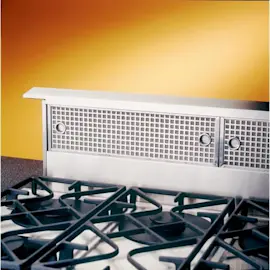
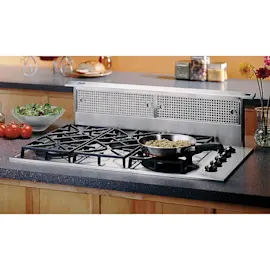
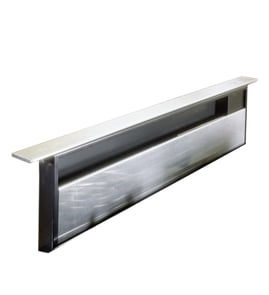
A downdraft setup can be worth it when you want a clean sightline (especially on an island) and an overhead hood is not practical. For the Jenn-Air JXD7036YS2 downdraft ventilation system, it is a strong fit for light-to-moderate cooking, but it typically captures smoke and steam less effectively than a properly sized overhead hood.
When a downdraft is the right choice
- Your cooktop is on an island and you want an open view across the kitchen.
- You cannot vent an overhead hood due to ceiling height, beams, or cabinetry.
- You mostly do low-smoke cooking (simmering, sautéing, light frying).
- You value a built-in look more than maximum capture performance.
When an overhead hood is usually a better investment
- You sear often, use a wok, grill indoors, or cook with high heat frequently.
- You want the best capture of grease, smoke, and steam before it spreads.
- You have an easy vent path up and out (or can use a properly designed duct run).
What to plan for with a downdraft
Downdrafts rely on airflow at the cooking surface, so real-world performance depends heavily on installation and maintenance.
- Keep filters clean; clogged grease filters reduce airflow quickly.
- Expect more frequent wipe-downs around the intake area.
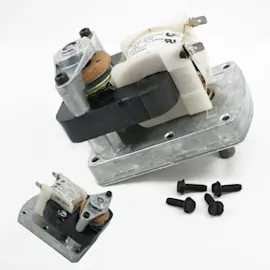
- If the vent will not raise/lower smoothly, the lift mechanism or controls may need attention.
| Factor | Downdraft (like JXD7036YS2) | Overhead hood |
|---|---|---|
| Sightlines | Excellent | Can block views |
| Smoke capture | Good for light cooking | Best overall |
| Cleaning | Filters plus intake area | Filters plus hood surfaces |
| Cost/complexity | Often higher | Often simpler |
Why it matters
Choosing the right ventilation affects indoor air quality, grease buildup, and how comfortable your kitchen feels during cooking. If you already own a downdraft, keeping the filtration and airflow path maintained is the biggest driver of satisfaction.
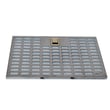
If you are troubleshooting weak airflow, start with the downdraft vent grease filter, 30-in W10422879 and confirm it is clean and seated correctly.
Last updated: January 2026
What are the pros and cons of downdraft extractors?
Downdraft extractors (like the Jenn-Air JXD7036YS2 downdraft ventilation system) save overhead space and keep sightlines open, but they usually capture smoke and steam less effectively than a quality overhead hood, especially with tall pots and high-heat cooking.
Pros of a downdraft extractor
- Space-saving: no canopy hood over the cooktop, which helps in island layouts.
- Cleaner look: the vent stays low-profile when not in use.
- Flexible kitchen design: useful when cabinets, windows, or ceilings limit hood options.
- Good for light-to-moderate cooking: works well for everyday simmering and sautéing.
- Easier access for cleaning: filters are typically reachable from the cooktop area.
Cons (and what to watch for)
- Lower capture performance: rising heat and steam can escape before being pulled downward.
- Tall cookware challenge: stockpots and griddles can block airflow.
- Ducting and installation complexity: long duct runs and elbows reduce airflow.
- More noise at higher speeds: the blower may sound louder when working harder.
- More frequent filter maintenance: grease buildup reduces performance quickly.
Quick comparison: downdraft vs overhead hood
| Feature | Downdraft extractor | Overhead range hood |
|---|---|---|
| Best for | Open layouts, islands | Heavy cooking, high heat |
| Smoke capture | Moderate | Strong |
| Tall pots | Weaker performance | Better performance |
| Visual impact | Minimal | Visible canopy |
Why it matters
Ventilation affects indoor air quality, cabinet cleanliness, and how comfortable your kitchen feels during cooking. If your downdraft is underperforming, the fastest improvement is usually maintenance: clean or replace the grease filter and confirm the damper opens freely.
Parts that commonly affect performance on JXD7036YS2
- Downdraft vent grease filter, 30-in W10422879 (restricted airflow when clogged)
- Range hood damper WPW10313841 (stuck damper can choke exhaust)
- Downdraft vent blower fan assembly W11672683 (weak airflow, noise, or no ventilation)
Last updated: January 2026
Do downdraft stove vents work?
Yes, downdraft stove vents work, but they are a compromise compared with a properly sized overhead range hood. On the Jenn-Air JXD7036YS2 downdraft ventilation system, performance depends most on correct ducting, a clean grease filter, and a healthy blower so the vent can capture smoke and steam at the cooktop.
What “works” means for a downdraft vent
Downdraft ventilation pulls air sideways and downward, so it captures best when the cooking plume stays low (for example, simmering) and struggles more with tall pots, high-heat searing, and heavy smoke.
You can expect better results when you:
- Use the highest fan speed before you start cooking (pre-capture).
- Keep cookware centered near the intake.
- Reduce cross drafts (open windows, ceiling fans) that push smoke away.
- Keep the grease filter clean and seated correctly.
- Keep the duct run short with minimal elbows.
Quick performance checklist for JXD7036YS2
These are the most common reasons a downdraft “doesn’t work” in real kitchens.
- Grease filter is clogged or installed incorrectly (start with the downdraft vent grease filter, 30-in W10422879).
- Damper is stuck, missing, or installed backwards (check the range hood damper WPW10313841).
- Ducting is too long, undersized, crushed, or has too many turns.
- Blower is weak, noisy, or not reaching full speed (possible blower or control issue).
- Air makeup is restricted (tight home, closed doors) so airflow cannot sustain.
Common symptoms and what they usually point to
| Symptom | Most likely cause | What to check first |
|---|---|---|
| Fan runs but little suction | Blocked filter or duct restriction | Filter cleanliness and duct path |
| Rattling or flapping noise | Damper flutter or loose duct | Damper operation and duct connections |
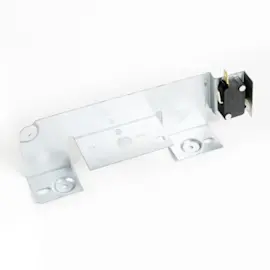
| Vent won’t raise/lower | Lift mechanism issue | Arm motor and linkage |
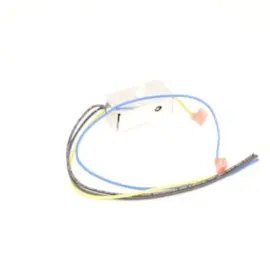
| Fan speed changes randomly | Control problem | Switch area and control board |
Why it matters
Good ventilation protects cabinets and walls from grease buildup, reduces lingering odors, and helps manage moisture. With downdraft systems, small issues like a dirty filter or a sticking damper can cut capture performance dramatically.
Last updated: January 2026
Do downdraft vents need to be vented outside?
Downdraft vents do not need to be vented outside in every installation, but venting the Jenn-Air JXD7036YS2 to the outdoors delivers the best smoke and odor removal. If outside ducting is not possible, many downdraft setups use a recirculating configuration that filters air and returns it to the kitchen.
Best practice for performance
Outside venting is the preferred setup because it moves heat, moisture, grease, and odors out of the home instead of trying to filter and recirculate them.
- Strongest capture of smoke and cooking odors
- Better moisture removal (helps reduce lingering humidity)
- Less grease buildup inside cabinets and around the vent
- Typically quieter at the cooktop for the same airflow
When recirculating can make sense
Recirculating (ductless) setups are common when an island location, slab foundation, or finished lower level makes duct routing impractical.
- No path for ductwork to an exterior wall or roof
- Condo or apartment restrictions on exterior venting
- Remodel constraints where opening floors or walls is not realistic
- Short-term solution until ducting can be added
Quick comparison
| Setup | Where the air goes | Typical result |
|---|---|---|
| Vented outside | Outdoors through ductwork | Best odor and smoke removal |
| Recirculating | Back into the kitchen through filters | Convenient, but less effective |
Parts that often matter for venting performance
Even with correct ducting, airflow drops fast if the vent path is restricted or the venting components are sticking.
- Check the exterior venting path for obstructions and crushed duct
- Make sure the damper opens freely; replace if it sticks or rattles using the range hood damper WPW10313841
- Keep filters clean and seated correctly; replace if damaged using the downdraft ventilation system filter W10422880
Why it matters
Downdraft ventilation is already working against rising heat and smoke, so maximizing airflow and minimizing restrictions (duct length, elbows, dirty filters, stuck damper) makes a noticeable difference in capture and odor control.
Last updated: January 2026