Owner’s manual
 Error Codes




What's the lifespan of a bottom freezer fridge?
A bottom-freezer (bottom-mount) refrigerator typically lasts 13 years. For your Samsung RF22R7351DT, lifespan depends most on compressor run time, door-seal condition, condenser airflow, and how well temperatures are maintained per the RF22R7351DT owner's manual.
Typical lifespan and what affects it
Most bottom-freezer fridges reach their full life when they run efficiently and avoid heat and airflow restrictions.
- Condenser airflow: Keep clearance around the cabinet so heat can leave the system.
- Door openings: Frequent openings raise temps and increase compressor run time.
- Overloading and blocked vents: Food blocking rear vents reduces air circulation.
- Room conditions: Heat sources and direct sunlight shorten life.
- Stable temperatures: Consistent settings reduce cycling and stress.
Recommended settings for long life (and food safety)
Samsung’s guidance for best performance is:
| Compartment | Recommended setting | Why it helps |
|---|---|---|
| Freezer | 0 °F (-18 °C) | Supports stable freezing and normal run time |
| Fridge | 37 °F (3 °C) | Helps maintain safe, consistent cooling |
Quick maintenance checklist
These steps reduce strain on the sealed system and fans.
- Maintain at least 2.5 inches (5 cm) clearance at the back and sides.
- Do not block interior air vents with bags, boxes, or tightly packed items.
- Keep the unit away from ovens, radiators, and direct sun.
- If temps run warm, lower the setting and allow time for the cabinet to stabilize.
- If you see repeated temperature alarms or long blinking on the display, follow the troubleshooting guidance in the RF22R7351DT owner's manual.
Why it matters
A refrigerator usually fails early when it runs hot or runs constantly. Good airflow, correct temperature settings, and unblocked vents reduce compressor and fan wear, which is the biggest driver of real-world lifespan.
Last updated: January 2026
Why is the bottom freezer refrigerator not popular?
Bottom-freezer refrigerators (including Samsung model RF22R7351DT) are less popular mainly because they typically cost more than top-freezer models and can be less convenient for people who want quick, eye-level access to frozen foods. Many shoppers still prefer the simpler layout and lower price of a top-freezer design.
Common reasons some buyers avoid bottom-freezer designs
- Higher upfront cost: More complex drawer/rail systems and premium features often raise the price.
- More bending for frozen items: You usually crouch to reach baskets and items at the bottom.
- Drawer organization can be tricky: Stacking and finding small items in deep bins takes more effort.
- More parts that can wear: Rails, baskets, and door alignment matter more for smooth closing.
- Frost risk if the drawer does not seal well: Overloading or misaligned baskets can keep the drawer from closing fully.
What matters most for day-to-day use
Bottom-freezer models are popular with people who use the fresh-food section most, because refrigerated items sit higher. If your household uses frozen foods frequently, a top-freezer or side-by-side layout can feel faster and easier.
| Feature | Bottom freezer | Top freezer |
|---|---|---|
| Fresh-food access | Higher, easier | Lower, more bending |
| Frozen-food access | Lower, more bending | Higher, easier |
| Typical price | Higher | Lower |
| Storage style | Drawer/baskets | Shelved compartment |
Tips to reduce the common drawbacks
These habits help a bottom-freezer refrigerator run better and feel easier to use:
- Keep the freezer drawer not overfilled so it closes completely.
- Make sure freezer baskets are seated correctly so the door seals and avoids frost.
- Leave airflow space in the refrigerator section; do not block interior vents with food.
- Keep the refrigerator level (front slightly higher than rear is commonly recommended) to help doors close properly.
- If temperatures seem inconsistent, review the settings and basic checks in the RF22R7351DT owner's manual.
Why it matters
Popularity often comes down to comfort and cost, but performance depends on setup and use. For example, if the freezer drawer on a bottom-mount is overloaded or not aligned, it may not close properly, which can lead to frost buildup and temperature complaints.
Last updated: January 2026
What is the most common problem with Samsung refrigerators?
The most common issues we see on Samsung refrigerators like model RF22R7351DT are ice maker problems (no ice, small cubes, freezing up) and cooling complaints (warm fresh food section, frost buildup, airflow restrictions). Many of these symptoms trace back to airflow, ice buildup, or a failing fan, sensor, or water supply component.
What to check first (fast, no-tools)
- Confirm the doors close and seal fully; warm air leaks cause frost and poor cooling.
- Make sure interior air vents are not blocked; blocked vents can lead to overcooling and water leakage.
- If you recently unplugged the refrigerator, wait at least 5 minutes before plugging it back in.
- Verify the ice maker is turned on and the freezer is set cold enough to make ice.
- Look for ice buildup around the ice room or evaporator cover area.
Common symptoms and likely causes
| Symptom | Most common cause | What usually fixes it |
|---|---|---|
| Ice maker not making ice | Low water flow, frozen fill path, failed ice maker | Thaw ice room, check water supply, replace ice maker if needed |
| Ice clumps or freezing up | Ice buildup from warm air leaks or airflow issues | Check door seal, clear vents, defrost ice room |
| Fridge warm but freezer OK | Airflow restriction or sensor/fan issue | Clear vents, check fans, test temperature sensors |
| Frost on back wall | Defrost/airflow problem | Defrost, inspect evaporator cover area |
Parts that commonly relate to these problems
If troubleshooting points to a failed component, these model-matched parts are commonly involved:
- Refrigerator ice maker assembly DA97-18859A
- Refrigerator water inlet valve DA62-04027A
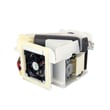
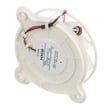
- Refrigerator condenser fan motor assembly DA97-15765C
- Refrigerator temperature sensor DA32-10104N
Why it matters
Ice and cooling problems usually get worse over time. Poor airflow and ice buildup can cause temperature swings that spoil food, and a weak water supply can make the ice maker act intermittent. Following the safety and operating guidance in the RF22R7351DT owner's manual helps prevent repeat issues.
Last updated: January 2026