View engine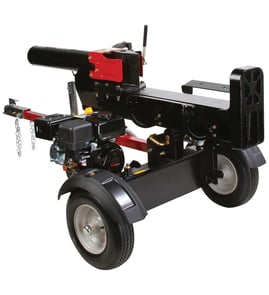


Where can I buy Craftsman replacement parts?
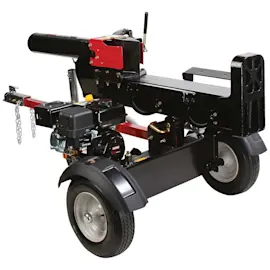
You can buy replacement parts for your Craftsman log splitter model CMXGLAM1143200 directly from the parts list for this model on Sears PartsDirect. Ordering by model number helps you match the exact hardware and hydraulic parts your splitter uses.
Best way to buy the right part for CMXGLAM1143200
We recommend shopping by model number first, then confirming the part name and part number before you order.
- Find the model tag on the log splitter frame (often near the beam or engine area)
- Use CMXGLAM1143200 to match the correct diagrams and parts list
- Compare the part description to what you are replacing (hose, valve, coupling, hardware)
- Replace worn fasteners with the correct size and type (lock nuts, flange nuts, cotter pins)
- If you are fixing a hydraulic issue, inspect hoses and fittings at the same time
Common CMXGLAM1143200 parts customers order
These are examples of model-matched parts you can purchase when you need repairs.
| Repair need | Example part to check | What it affects |
|---|---|---|
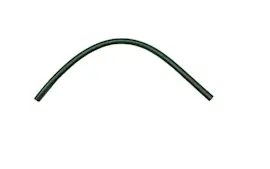
| Hydraulic leak or damaged line | Log splitter hydraulic hose 727-04288 | Hose integrity and pressure flow |
| Slow or weak splitting | Log splitter hydraulic pump 918-04127 | System pressure and cycle performance |
| Control issues or valve leak | Log splitter hydraulic control valve 718-04706P | Extend/return control and holding power |
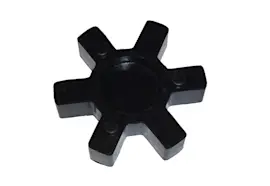
| Coupler wear or vibration | Log splitter pump flex coupling 718-04392 | Power transfer from engine to pump |
Why it matters
Log splitters rely on correct-fit hydraulic components and hardware. Using the right CMXGLAM1143200 replacement part helps prevent leaks, loss of splitting force, and repeat repairs.
Last updated: February 2026
How often should hydraulic fluid be changed in a log splitter?
For a Craftsman log splitter like model CMXGLAM1143200, we change the hydraulic fluid once a year for typical seasonal use, or about every 100 to 150 operating hours. Change it sooner anytime the oil looks milky, dark, gritty, or foamy.
Recommended change interval (practical rule)
- Annual change: best for most homeowners who use the splitter seasonally.
- 100 to 150 hours: good benchmark if you track run time.
- Immediately if you see contamination (water, dirt) or aeration (foam).
- After major hydraulic repairs (hose, pump, valve, cylinder) to remove debris.
- After overheating events, because heat breaks down hydraulic oil faster.
Quick “condition check” before you decide
Use this simple check to decide whether you can finish the season or should change now:
| What you see in the hydraulic fluid | What it usually means | What we do |
|---|---|---|
| Clear/amber, no foam | Normal | Keep using; recheck level |
| Dark/burnt smell | Heat and oxidation | Change fluid soon |
| Milky/cloudy | Water contamination | Change fluid now; find water source |
| Foamy | Air in system, low fluid, suction leak | Fix cause; change if oil stays foamy |
Why it matters
Fresh hydraulic fluid protects the pump, control valve, hoses, and cylinder by maintaining proper lubrication and pressure. Old or contaminated oil can cause slow wedge movement, noisy operation, seal wear, and leaks.
Helpful maintenance tips while you are at it
- Clean around the fill cap/dipstick area before opening the reservoir.
- Inspect hoses for wet spots, cracking, or abrasion; replace if needed (for example, log splitter hydraulic hose 727-04288 or mtd log splitter return hose 727-0443).
- Watch for valve seepage and handle looseness; address early to prevent bigger leaks.
- If the wedge is slow or stalls, check the coupler between engine and pump (for example, log splitter pump flex coupling 718-04392).
- Follow a step-by-step procedure for service best practices: how to maintain the hydraulic system in a log splitter.
Last updated: February 2026
What is the most dependable log splitter?
The most dependable log splitter is the one that matches your workload and is kept leak-free and properly maintained. For most homeowners, a mid-to-high tonnage gas hydraulic splitter with a protected pump, quality hoses, and readily available replacement parts is the most reliable long-term choice.
What “dependable” means for a log splitter
Dependability usually comes down to consistent splitting force, fewer hydraulic leaks, and easy serviceability.
- Right tonnage for your wood (knotty hardwood needs more force than straight-grain softwood)
- Hydraulic system quality (pump, valve, cylinder, and hose routing)
- Parts availability for wear items and seals
- Stable beam and wedge alignment to reduce binding and stress
- Routine fluid and filter care to prevent pump and valve damage
What we recommend looking for (quick checklist)
Use this checklist when comparing models, including your Craftsman CMXGLAM1143200.
| What to check | More dependable choice | Why it helps |
|---|---|---|
| Hydraulic hoses | Abrasion-protected, correct length, no rubbing | Prevents leaks and blowouts |
| Control valve feel | Smooth detents, no sticking | Reduces heat and wear |
| Pump drive | Tight coupler, minimal vibration | Protects pump shaft and seals |
| Beam/wedge | Heavy beam, wedge tracks straight | Prevents binding and frame stress |
Keeping your CMXGLAM1143200 dependable
Most “unreliable splitter” complaints trace back to hydraulic leaks, air in the system, or a worn coupler.
- Inspect hoses for wetness, cracking, or chafing; replace as needed (example: log splitter hydraulic hose 727-04288).
- If the wedge slows or stalls, check for pump issues and coupling wear (example: log splitter pump flex coupling 718-04392).
- If the control handle feels sloppy or won’t return cleanly, inspect linkage and handle components (example: log splitter control handle assembly 747-04539A).
- If you see fluid around the valve body, address it early to avoid contamination and heat buildup (example: log splitter hydraulic control valve 718-04706P).
- Follow best practices for fluid condition and bleeding air after service using how to maintain the hydraulic system in a log splitter.
Why it matters
A dependable log splitter is safer and cheaper to own because it maintains steady cycle time and avoids sudden hose failures, pump damage, and downtime during peak wood-splitting season.
Last updated: February 2026
What are common problems with log splitters?
Common problems on the Craftsman CMXGLAM1143200 log splitter are slow or weak splitting, a wedge that will not extend or retract smoothly, and hydraulic oil leaks. Most issues trace back to low or contaminated hydraulic fluid, air in the system, a worn coupling, a leaking hose, or a sticking control valve.
Most common symptoms and likely causes
- Slow ram or weak splitting force: low hydraulic fluid, clogged suction screen (if equipped), worn pump, slipping or damaged coupling
- Ram will not extend or retract: air in the hydraulic system, control valve problem, cylinder internal leak, kinked/blocked hose
- Hydraulic oil leaks: damaged hose, loose fitting, leaking valve seals, cylinder seal wear
- Jerky movement or chatter: aerated fluid, low fluid level, suction leak on the pump inlet side
- Engine runs but wedge barely moves: coupling failure, pump issue, valve not shifting fully
Quick checks we recommend (safe, high-impact)
- Park on level ground; let the machine cool.
- Inspect for wet, oily areas around hoses and fittings; snug fittings carefully.
- Check hydraulic fluid level and condition; milky or foamy fluid points to air or water contamination.
- Cycle the control handle several times to help purge trapped air (keep hands clear of the wedge and beam).
- If you see cracking, abrasion, or seepage on a hose, replace it rather than patching it.
| Symptom | What you usually find | Parts that often fix it |
|---|---|---|
| Oil leaking under the beam | hose damage or loose fitting | Log splitter hydraulic hose 727-04288, hydro fitting 737-04307 |
| Wedge moves slowly | worn coupling or pump wear | Log splitter pump flex coupling 718-04392, log splitter hydraulic pump 918-04127 |
| Handle feels sloppy or won’t return | valve/handle linkage issue | Log splitter hydraulic control valve 718-04706P, log splitter control handle assembly 747-04539A |
Why it matters
Hydraulic problems do not just reduce splitting power; they can overheat the pump, damage seals in the hydraulic cylinder, and create a slip hazard from leaking oil. Catching a small hose seep or coupling wear early helps prevent bigger repairs.
Helpful DIY troubleshooting
For step-by-step symptom checks, we recommend starting with log splitter symptoms landing page and, for hydraulic upkeep, how to maintain the hydraulic system in a log splitter.
Last updated: February 2026