 Installation guide
 Owner’s manual


Is an over-the-range microwave considered built-in?
An over-the-range (OTR) microwave is not considered a built-in microwave. OTR models are designed to mount above a range and often include a vent fan and cooktop light; the Bosch HMC87151UC is a built-in unit designed to install into cabinetry (and it can be installed above certain built-in ovens).
Over-the-range vs built-in: the practical differences
- Mounting location: OTR mounts over a cooktop or range; built-in installs in a cabinet cutout or wall unit.
- Ventilation: OTR commonly functions as a range hood; built-in typically relies on its own cooling airflow path, not cooktop venting.
- Cabinet requirements: Built-in installations require a specific cabinet opening and support method.
- Electrical setup: Built-in models may use a dedicated circuit and specific plug or conduit requirements.
- Kitchen layout flexibility: Built-in placement is more flexible than “over the stove only” OTR placement.
What “built-in” means for Bosch HMC87151UC
For Bosch HMC87151UC, “built-in” means the microwave is intended to be installed into a cabinet opening and connected to a properly grounded outlet. The installation guide also notes this model uses a NEMA 5-20 plug and is intended for a dedicated 120 V microwave circuit.
Use the HMC87151UC installation guide to confirm cabinet dimensions, outlet location, and the installation checklist before you plan a replacement.
Quick comparison
| Feature | Over-the-range microwave | Built-in microwave (HMC87151UC) |
|---|---|---|
| Typical location | Above range/cooktop | In cabinet opening or wall unit |
| Vent fan for cooking | Common | Not the primary purpose |
| Electrical connection | Varies by model | NEMA 5-20 plug on dedicated 120 V circuit |
| Fit requirements | Bracket and upper cabinet | Cabinet cutout and support/cleats per guide |
Why it matters
Choosing the wrong type can create fit and electrical problems. A built-in microwave like Bosch HMC87151UC needs the correct cabinet opening, support, and power connection to operate safely and cool properly.
Last updated: January 2026
What are the disadvantages of a microwave oven combo?
A microwave oven combo like the Bosch HMC87151UC saves space and looks built-in, but the tradeoffs are higher cost, more complex installation, and more complicated repairs because multiple cooking systems share one cabinet opening and electrical setup.
Common disadvantages to plan for
- Higher upfront cost than buying a standalone microwave and a separate wall oven.
- More demanding installation: cabinet cutout, mounting, and electrical requirements must be exact.
- More downtime if it fails: one issue can take out your microwave function (and sometimes related features) until repaired.
- Repair complexity and cost: combo units often require more disassembly and model-specific parts.
- Ergonomics: depending on mounting height, the microwave cavity can sit higher than is comfortable for some households.
- Ventilation and heat management: built-in installs rely on correct clearances and airflow.
What to check before you buy or replace
Use the HMC87151UC installation guide to confirm your cabinet and electrical setup. Focus on:
- Cutout dimensions and required clearances
- Mounting method and support requirements
- Power supply and circuit needs
- Door swing clearance and user height
- Whether your layout places the microwave above another built-in oven (this model is intended for use above built-in ovens up to 36 inches wide)
Repair impact: combo vs separate appliances
| Topic | Combo unit | Separate units |
|---|---|---|
| Installation | One opening, tighter specs | More flexibility by appliance |
| Service access | Often more disassembly | Usually simpler access |
| Failure impact | One failure can disrupt more cooking options | Failure is isolated |
| Parts planning | More model-specific parts | More interchangeable options |
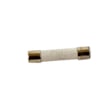
If your unit goes completely dead after a power event, a common first checkpoint is the internal fuse; for this model, see the microwave fuse 00631510.
Why it matters
A combo microwave oven is a great space-saver, but it only performs well long-term when the cabinet fit, airflow, and electrical supply match the installation requirements. That planning also reduces nuisance shutdowns and service calls.
Last updated: January 2026
What is the disadvantage of a built-in microwave?
A key disadvantage of a built-in microwave like the Bosch HMC87151UC is access: because it’s installed into cabinetry (often higher than a countertop unit), cleaning the cavity, door, and trim can be more awkward, and service access typically takes more time.
Common disadvantages (and what to expect)
- Harder to clean comfortably: reaching the cavity and wiping the ceiling and back wall is tougher when the unit sits high.
- More involved installation: you must verify cabinet dimensions and electrical connection location before mounting. See the HMC87151UC installation guide.
- More time to remove for service: built-in units usually need to be pulled from the cabinet opening to access internal components.
- Less flexibility: you cannot easily relocate it if you remodel or change layouts.
- Ventilation and heat management: built-in designs rely on correct clearances and airflow; the cooling fan may run after cooking.
Quick comparison: built-in vs countertop
| Feature | Built-in microwave | Countertop microwave |
|---|---|---|
| Cleaning access | Harder (higher, recessed) | Easier (open access) |
| Installation | Cabinet cutout and electrical planning | Plug in and place |
| Service access | Often requires removal from cabinet | Usually accessible on counter |
| Flexibility | Low | High |
Tips to reduce the “hard to clean” downside
- Power off the microwave before cleaning the control area.
- Use a non-abrasive sponge or cloth; avoid metal scouring pads.
- Do not use the cavity for storage; stored items can spill and create messes.
- Wipe the door area and seals regularly so the door closes smoothly.
- Follow the cleaning and safety guidance in the HMC87151UC owner’s manual.
Why it matters
Built-in microwaves look seamless and save counter space, but the tradeoff is day-to-day access. Planning for cleaning reach, cabinet fit, and service removal helps you avoid frustration later.
Last updated: January 2026


