Owner’s manual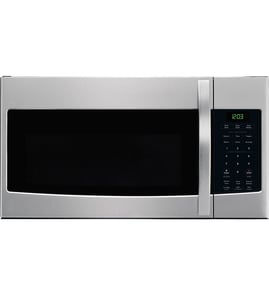


What are people replacing microwaves with?
Many households replacing a GE microwave/hood combo like model HVM1540DN1BB choose a countertop convection toaster oven or air fryer for crisping and reheating, plus a stovetop pan or small multi-cooker for simmering and steaming. The best replacement depends on whether you need fast reheating, browning, or venting.
Most common microwave replacements (and what they do better)
- Air fryer: best for crisping leftovers (pizza, fries, nuggets) without sogginess.
- Convection toaster oven: best all-around replacement for reheating and browning; handles small bakes.
- Induction hot plate or stovetop skillet: best for even reheating (soups, sauces, rice) with better texture control.
- Multi-cooker (Instant Pot style): best for gentle reheating, steaming, and one-pot meals.
- Combination steam oven (countertop): best for moist reheating without drying out (higher cost).
Quick comparison
| Replacement | Best for | Trade-off |
|---|---|---|
| Air fryer | Crisp texture fast | Small capacity; can dry foods |
| Convection toaster oven | Reheat plus browning | Slower than microwave for liquids |
| Stovetop/skillet | Best texture control | Requires a pan and attention |
| Multi-cooker | Steaming and moist heat | Not great for crisping |
Why it matters for a microwave/hood combo
A microwave/hood combo like the GE HVM1540DN1BB also supports safe, enclosed heating and is designed for over-the-range use. If you remove it, plan for (1) a dedicated vent hood or (2) a recirculating hood setup so cooking smoke and grease are still managed.
If you are keeping the microwave but want better results
We recommend following the safety and use guidance in the HVM1540DN1BB owner’s manual, especially around proper use and avoiding arcing (sparks). For performance issues such as running but not heating, use why is my microwave not heating to narrow down likely causes.
Last updated: January 2026
How can I tell what wattage my microwave is?
For your GE HVM1540DN1BB microwave/hood combo, the most reliable way to confirm wattage is to read the rating label (often inside the door area) or check the specifications section in the HVM1540DN1BB owner's manual. If you cannot access the label, a simple heating test can help you estimate output.
Fast ways to find the wattage
- Check the rating label around the door frame or inside the cooking cavity opening.
- Look up the “specifications” or “electrical” section in the HVM1540DN1BB owner's manual.
- If the label is worn, compare cooking performance using a timed water-heating test.
- Use wattage to choose correct cook times, power levels, and safe cookware.
Quick “time-to-heat water” estimate (at full power)
- Pour 1 cup (8 fl oz) of room-temperature water into a microwave-safe glass measuring cup.
- Run on High (power level 10).
- Time how long it takes to reach a near-boil (vigorous steaming and bubbling).
| Time to near-boil (1 cup) | Typical microwave output range |
|---|---|
| ~2:00 to 2:30 | Higher output (often around 1000W+) |
| ~2:30 to 3:00 | Mid output (often around 800W to 1000W) |
| 3:00+ | Lower output (often under 800W) |
Why it matters
Wattage is the baseline for cooking charts and packaged-food instructions. If your microwave’s output is lower than the chart assumes, food can undercook; if it’s higher, food can overcook. Knowing wattage also helps you use power levels correctly for defrosting and reheating.
Safety note for testing
- Use microwave-safe glass; avoid anything with metallic trim.
- Use an oven mitt when removing the cup.
- Stop the test if you see arcing or smell burning.
Last updated: January 2026
What is the best type of microwave oven to buy?
For most kitchens, the best microwave type is the one that fits your space and how you cook: countertop models are the easiest to place anywhere, while over-the-range models like the GE HVM1540DN1BB save counter space and add a built-in vent fan and cooktop light.
Quick guide: which microwave type fits your needs?
- Countertop microwave: best for renters, dorms, and flexible placement
- Over-the-range (OTR) microwave/hood combo: best for saving counter space and adding ventilation over a range
- Built-in microwave: best for a seamless cabinet look (often needs a trim kit)
- Convection microwave: best if you want light baking and crisping in addition to reheating
What to compare before you buy
Focus on these specs and features first; they drive day-to-day satisfaction more than brand names:
- Installation type and space: countertop vs OTR vs built-in
- Capacity: choose based on your largest dish (casserole, dinner plate, tall mug)
- Power (watts): most everyday microwaves land in the 900 to 1200W range
- Turntable vs flatbed: turntables heat evenly but limit dish shape; flatbeds fit odd shapes better
- Controls: sensor cook, add-30-seconds, and quick-start keys are the most-used features
| If you want... | Best choice | Why it works |
|---|---|---|
| Maximum flexibility | Countertop | Easy to replace and move |
| More counter space | OTR microwave/hood combo | Combines microwave, vent fan, and cooktop light |
| More than reheating | Convection microwave | Adds browning and baking capability |
Why it matters (especially for OTR models)
An OTR microwave has to do two jobs: cook food and help manage steam and grease from the cooktop. That makes fit, venting setup, and safe operation more important than on a countertop unit. We recommend reviewing the HVM1540DN1BB owner’s manual for grounding, safe use, and care guidance.
A practical “best choice” recommendation
- Choose countertop if you want the lowest hassle and easiest replacement.
- Choose OTR if you want to reclaim counter space and you already cook under it often.
- Choose convection if you will actually bake or crisp foods weekly (not just occasionally).
Last updated: January 2026
What are common problems with microwave vents?
Common microwave vent problems on the GE HVM1540DN1BB microwave/hood combo include a vent fan that will not turn off, weak airflow from grease buildup, and loud fan noise from a worn motor or loose fan blade. Many vent issues are airflow-related, not control-related; start with cleaning and filter checks in the HVM1540DN1BB owner’s manual.
Most common vent symptoms and what they usually mean
- Vent fan will not shut off: The fan can run automatically to cool internal parts while the microwave is operating; it typically cannot be turned off until cooking stops.
- Vent runs but barely moves air: Grease filter clogged, blocked ducting, or a stuck damper.
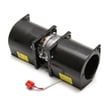
- Vent is loud or rattling: Worn motor bearings, loose mounting, or a damaged fan blade.
- Vent does not run at all: Failed motor, failed control, or a door-interlock related issue preventing operation.
Quick checks we recommend (safe, no disassembly)
- Confirm the microwave is not actively cooking; the vent may stay on until the microwave turns off.
- Remove and clean the grease filter; reinstall it so the wire mesh faces outward (visible from the front).
- Check for airflow restrictions: greasy grille openings, blocked duct, or a damper that does not swing freely.
- Listen for motor behavior: humming with no airflow points to a stuck blower wheel or failing motor.
- If the unit is dead or resets, check the home breaker and outlet first.
Parts that commonly solve vent complaints on this model
| Symptom | Likely area | Example part for HVM1540DN1BB |
|---|---|---|
| Loud vent, weak airflow | Vent motor or blower area | Microwave vent motor assembly WB26X10191 |
| Vent runs but seems unstable | Vent motor capacitor | Microwave vent motor capacitor WB27X10170 |
Why it matters
A weak or noisy vent does not just affect odors; poor airflow lets heat and grease build up around the microwave and cooktop, which can shorten the life of electrical parts and make the kitchen harder to keep clean.
Last updated: January 2026