


Is a 4.6 washer big?
Yes. A 4.6 cu. ft. washer is considered large capacity for a top-load washer like the GE GTW540ASP4WS; it’s designed to handle bulky items (such as comforters) and larger family-sized loads in fewer cycles.
Most 4.5+ cu. ft. washers are built for bigger loads and bulky fabrics. In day-to-day use, that typically means:
- Fewer loads per week for the same amount of laundry
- Better room for bulky items to move (improves cleaning and rinsing)
- Less chance of overfilling compared to smaller tubs
- More water extraction during spin when loads are balanced
Large capacity is helpful, but overloading still causes poor cleaning and out-of-balance spinning.
- Load items loosely; don’t pack them down
- Keep the load below the top rim of the basket
- Mix large and small items to help balance
- Use the right cycle for bulky loads (bedding/bulky when available)
- Measure detergent; too much can cause residue and odors
| Washer capacity | Common description | Best for |
|---|---|---|
| 3.5 to 4.4 cu. ft. | Medium to large | Everyday loads, smaller households |
| 4.5 to 5.0 cu. ft. | Large capacity | Families, towels, bedding |
| 5.0+ cu. ft. | Extra-large | Very large loads, frequent bulky items |
Choosing the right capacity helps prevent chronic overloading, which can lead to vibration, longer cycle times, and extra wear on suspension and drive components.
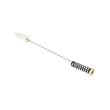
If your washer starts shaking or banging with larger loads, checking the suspension system (for example, the washer suspension rod and spring assembly WH16X26911) is a smart next step.
Last updated: January 2026
What is the life expectancy of a GE washing machine?
Most GE washers, including the GE GTW540ASP4WS top-load washer, typically last 10 to 14 years. With consistent care (proper loading, correct detergent, and routine cleaning), it’s common to reach the high end of that range.
- Load size and balance: frequent overloading or unbalanced loads increase wear on the suspension and drive system.
- Water quality: hard water can speed up mineral buildup and valve wear.
- Drain performance: slow draining makes the pump work harder and can shorten its life.
- Spin vibration: excessive shaking stresses the tub support and suspension.
- Maintenance habits: periodic cleaning and hose checks prevent avoidable failures.
| Usage pattern | Typical life expectancy | What to watch for |
|---|---|---|
| Light (1 to 3 loads/week) | 12 to 15 years | Hoses, inlet screens, occasional balance issues |
| Average (4 to 7 loads/week) | 10 to 14 years | Drain performance, vibration, lid lock reliability |
| Heavy (8+ loads/week) | 7 to 11 years | Suspension wear, pump wear, drive components |
If your GTW540ASP4WS starts acting up, these are frequent wear items:
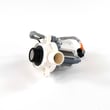
- Drain issues (won’t drain, standing water, humming): check the GE washer drain pump assembly WH23X28418.
- Excessive shaking or banging (especially in spin): inspect suspension components such as the washer suspension rod and spring assembly WH16X26911.
- Won’t fill or fills slowly: the water valve and inlet screens are common culprits.
- Won’t start or won’t spin: lid lock and drive-related components are typical suspects.
Knowing the expected 10 to 14 year lifespan helps us decide whether a repair is cost-effective. A single part replacement (like a drain pump or suspension rod) often restores performance and extends service life for years.
Last updated: January 2026
What is the most common problem with GE washers?
The most common GE washer problems are not draining and not spinning, which are usually caused by a drain restriction, a failing lid lock on top-load models like GE GTW540ASP4WS, or a load that is consistently going out of balance. These issues often show up as standing water, wet clothes, or cycle stoppages.
- Washer won’t drain (water left in tub): clogged drain hose, blocked pump, or a weak pump motor
- Washer won’t spin or stops mid-cycle: lid lock not engaging, out-of-balance load, or drive system problem
- Loud banging or walking: worn suspension parts or overloaded tub
- Slow fill or no fill: inlet screens clogged or inlet valve issue
- Intermittent operation: wiring/connector issue or control problem
For GTW540ASP4WS, the most common “parts-related” culprits we see tied to these symptoms are the drain pump, lid lock, inlet valve, and suspension components.
- Redistribute the load (especially bulky items) and try a Drain/Spin cycle.
- Check the drain hose for kinks, clogs, or a standpipe that is backing up.
- Listen for the drain pump during drain; a loud hum with no water movement often indicates a blockage or failing pump.
- Confirm the lid is closing and latching cleanly; a misaligned lid can prevent spin.
- Run diagnostics by checking stored error codes using GE gtw top load washer error codes.
| Symptom | Common fix | Example part for GTW540ASP4WS |
|---|---|---|
| Won’t drain | Clear blockage; replace pump if weak/noisy | GE washer drain pump assembly WH23X28418 |
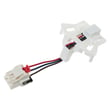
| Won’t spin (top-load) | Replace lid lock if it won’t latch/verify | GE washer lid lock assembly WH08X37938 |
| Excessive shaking/banging | Replace worn suspension rods/springs | Washer suspension rod and spring assembly (model-specific options) |
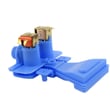
| Won’t fill or fills slowly | Clean screens; replace inlet valve if needed | Washer water inlet valve assembly WH13X26535 |
Drain and spin problems can leave water sitting in the tub, strain the drive system, and turn a simple clog into a bigger repair. Catching the cause early also helps prevent repeat out-of-balance events that wear suspension parts faster.
Last updated: January 2026


