Owner’s manual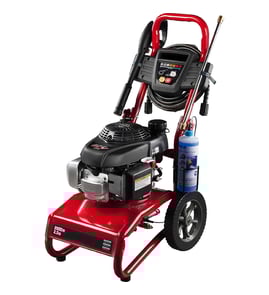




Can you put 87 gas in a pressure washer?
Yes. For the Craftsman 580752530 gas pressure washer, we use clean, fresh unleaded gasoline with a minimum of 87 octane (87 AKI); that includes typical 87-octane regular gas. Follow the fuel guidance in the owner's manual to avoid fuel-system damage and starting issues.
Fuel requirements for model 580752530
Use fuel that meets these basics:
- Clean, fresh, unleaded gasoline
- Minimum 87 octane/87 AKI (91 RON)
- Up to 10% ethanol (E10) is acceptable
- Up to 15% MTBE is acceptable
- Do not use E85 or other unapproved fuels
- Do not mix oil into the gasoline
Quick compatibility chart
| Fuel type | OK to use? | Notes |
|---|---|---|
| 87 octane unleaded (regular) | Yes | Meets the minimum octane requirement |
| 88 to 93 octane unleaded | Yes | Fine to use; follow the same storage practices |
| E10 (up to 10% ethanol) | Yes | Acceptable per fuel requirements |
| E15 | No | Not listed as acceptable for this model |
| E85 | No | Specifically called out as unapproved |
Best practices to prevent hard starting and poor performance
Fuel problems are one of the most common causes of a gas pressure washer that will not start or runs rough. We recommend:
- Buy fuel in small quantities so it stays fresh
- Add fuel stabilizer when filling the tank if the washer may sit
- If performance changes after refueling, switch fuel brands/providers
- Check engine oil level before starting (low oil can cause damage)
Why it matters
Using the correct octane and approved fuel blend helps protect the carburetor and fuel system from varnish and gum buildup, which reduces no-start conditions and power loss. For broader troubleshooting and maintenance tips, see solving pressure washer problems.
You can also find parts and diagrams for the Craftsman 580752530, or search by model number on Sears PartsDirect.
Last updated: February 2026
Should I use 1/4 or 5/16 pressure washer hose?
For a Craftsman 580752530 gas pressure washer, we use hose diameter to balance flow, pressure drop, and handling: 5/16-inch is the better all-around choice for longer runs and higher flow, while 1/4-inch is easier to handle and works well for shorter hoses and typical homeowner use.
How to choose the right hose diameter
Use these practical rules when matching hose size to your cleaning style:
- Choose 1/4-inch if you want a lighter, more flexible hose for short-to-medium lengths.
- Choose 5/16-inch if you run longer hose lengths or want steadier flow at the gun.
- Prioritize kink resistance and a quality outer jacket; a kinked hose reduces performance more than diameter.
- Match the hose’s pressure rating to your washer’s rated pressure (never run under-rated hose).
- Replace damaged hoses; our manual says never repair a high-pressure hose.
Quick comparison
| Feature | 1/4-inch hose | 5/16-inch hose |
|---|---|---|
| Handling | Lighter, easier to coil | Heavier, stiffer |
| Flow at the gun (long runs) | More pressure drop | Less pressure drop |
| Best use | Shorter lengths, general cleaning | Longer lengths, higher flow setups |
| Kink resistance (typical) | Varies by hose build | Often better, varies by hose build |
Safety and connection tips that matter
High-pressure water can cause serious injury. We follow these hose practices every time:
- Keep the high-pressure hose connected to the pump and spray gun while the system is pressurized.
- Point the spray gun in a safe direction and squeeze the trigger to relieve pressure whenever you stop the engine.
- Never aim the spray gun at people or animals.
- Don’t pull the machine by the hose; use the handle.
For model-specific operating and safety details, use the owner's manual.
Why it matters
The “best” hose is the one that keeps steady water delivery without fighting you. A hose that is too small for a long run can feel weak at the nozzle; a hose that is too bulky can be frustrating to move, increasing the chance of kinks, trips, and kickback.
If you need to find compatible replacement items by model number, we recommend starting with the model parts list, then searching by model on Sears PartsDirect.
Last updated: February 2026
How many PSI is a Craftsman 190cc pressure washer?
For the Craftsman pressure washer model 580752530 (190cc), the maximum outlet pressure is 3,000 PSI. That rating is listed in the product specifications in the owner's manual, and it reflects the unit’s tested maximum pressure.
What “max PSI” means (and what you’ll see in real use)
Max PSI is the peak pressure the pump can produce under test conditions. Actual cleaning pressure at the spray tip varies based on nozzle size, water supply, and pump condition.
- A smaller or more aggressive nozzle (like a 0-degree tip) increases impact at the surface
- Low garden-hose flow or low inlet pressure reduces performance
- A worn nozzle or unloader valve can make pressure feel weak or inconsistent
- Long hoses and quick-connect restrictions can slightly reduce pressure at the gun
- Running without water can damage the pump quickly
Key specs for Craftsman 580752530
Here are the core specifications we use when troubleshooting pressure and performance:
| Spec | Value |
|---|---|
| Max outlet pressure | 3,000 PSI |
| Max flow rate | 2.7 GPM |
| Engine displacement | 190cc |
| Minimum water supply (at washer) | 3.7 GPM at 20 PSI |
Quick checks if pressure seems low
These steps fix most “not enough PSI” complaints without replacing parts:
- Confirm the water supply meets the minimum requirement (strong flow, fully open spigot).
- Inspect and clean the inlet screen and garden hose connection.
- Try a different spray tip; a worn tip is a common cause of low pressure.
- Purge air: run water through the system with the engine off, trigger held, until flow is steady.
- If pressure surges, the unloader valve is a top suspect; use our guide how to replace a pressure washer unloader valve.
Why it matters
Matching PSI and GPM to the job helps you clean faster and prevents pump damage. On model 580752530, meeting the minimum inlet supply (flow and pressure) is especially important because the pump cannot make full pressure without enough incoming water.
For replacement parts by model number, start with the parts list for 580752530 or search by model on Sears PartsDirect.
Last updated: February 2026
Is it worth repairing a pressure washer?
Yes; repairing a pressure washer is worth it when the issue is a wear item or maintenance problem (leaks, clogs, tune-up). For Craftsman model 580752530, routine maintenance and correct setup often restore pressure and extend service life; major pump or engine damage usually shifts the value toward replacement.
Repair vs. replace: quick checklist
Repair is usually the right call when you have:
- Leaks at fittings that need an O-ring or seal (replace the seal, do not use sealant)
- Low pressure from a clogged inlet screen or dirty nozzle/spray tip
- Surging or power loss tied to basic tune-up items (oil level, air filter, spark plug)
- A damaged high-pressure hose you can replace
- Problems after storage (debris, stale fuel, ice concerns)
Replace (or price major parts first) when you have:
- Severe pump noise with poor output after cleaning and setup checks
- An engine that still will not run after standard tune-up steps
- Cracked pump housing, broken mounts, or missing/broken safety covers
The cost rule we use
If total repair cost (parts plus labor) is more than 50% of a comparable new gas pressure washer, replacement is usually the better value.
| Situation | Best choice | Why it matters |
|---|---|---|
| Leaks, worn seals | Repair | Low-cost, fast fix |
| Low pressure from clogging | Repair | Cleaning restores flow |
| Pump/engine internal damage | Compare costs | High-cost components |
| Frequent breakdowns | Replace | Reliability and downtime |
Why it matters (lifespan and safety)
Proper operation and maintenance prevent avoidable damage and help the 580752530 run at rated pressure. Follow the operating checklist and maintenance schedule in the owner's manual.
Checks to do before buying parts
- Turn on water and purge air by squeezing the trigger before starting
- Confirm hose connections; no kinks, cuts, or leaks
- Verify engine oil level and fuel condition
- Clean the water inlet screen; flush the nozzle/spray tip
For step-by-step troubleshooting, use solving pressure washer problems. To search parts by model number, use Sears PartsDirect.
Last updated: February 2026