Error Codes




Does the GFW550SPR5RS have different wash cycles?
Yes. The GE GFW550SPR5RS washer offers multiple wash cycles so you can match the cycle to fabric type, soil level, and load size. Common options include everyday cycles, specialty cycles for bulky items, and maintenance cycles to help keep the washer fresh.
Typical cycles you can expect on this model
These are the cycle types most commonly available on GE front-load washers in this series:
- Normal
- Whites
- Towels
- Bulky/Bedding
- Quick Wash
- Delicates
- Cold Wash
- Rinse + Spin
- Self Clean (or similar tub-clean cycle)
How to choose the right cycle (quick guide)
Use this simple guide to avoid poor cleaning, excess wear, or leftover detergent.
| Laundry need | Best cycle type | Key setting tip |
|---|---|---|
| Everyday mixed loads | Normal | Use Auto/Medium soil when available |
| Heavy cottons and towels | Towels or Whites | Increase soil level; use warm/hot if safe for fabric |
| Comforters and bulky items | Bulky/Bedding | Load loosely; avoid overfilling |
| Lightly soiled small loads | Quick Wash | Use less detergent to reduce suds |
| Lingerie and knits | Delicates | Lower spin speed to reduce wrinkling |
If the cycle won’t start or the door won’t lock
Cycle selection issues are often caused by a door lock or latch problem. If the washer beeps, won’t begin, or shows a door-related error, these parts are common fixes:
- GE washer door lock WH01X29528 (locks the door so the control can start the cycle)
- Door latch WH01X32580 (mechanical latch that engages the lock)
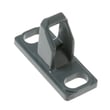
- Door strike support WH13X29611 (helps the door align and close correctly)
For display messages and troubleshooting steps, use our GE gfw front load washer error codes guide.
Why it matters
Using the right wash cycle helps the GFW550SPR5RS clean better, spin out more water, and reduce wear on fabrics and washer components (like the door lock and suspension).
Last updated: February 2026
How do I tell what model my GE washer is?
Your GE washer’s model number is printed on a rating label attached to the cabinet. On the GE GFW550SPR5RS front-load platform, the label is most often found in the door opening (door jamb) or just behind the door; some units also place it on the back of the control panel or lower cabinet side.
Where to look first (fastest checks)
- Open the washer door and inspect the door jamb area (around the opening).
- Look just behind the door on the front frame.
- Check the back of the control panel area.
- Inspect the left or right cabinet side near the bottom front.
- If the washer is stacked or tight to a wall, use a flashlight and phone camera to read the label.
What the label should show
Most GE washer rating labels include these fields; match the model exactly (letters and numbers):
| Label field | What it means | Why you need it |
|---|---|---|
| Model number | The exact washer model (example: GFW550SPR5RS) | Ensures correct parts and diagrams |
| Serial number | The unit’s unique ID | Helps date and version identification |
| Electrical ratings | Voltage/amps | Useful for safe troubleshooting |
Tips to avoid common mix-ups
- Use the full model number, not just “GFW550” or “GFW550SPR”.
- Don’t use the marketing name or color; parts lookup is model-based.
- If the label is worn, take a close-up photo and zoom in.
Why it matters
GE often uses similar-looking front-load washers with different door locks, control boards, and hoses. Using the exact model number helps us match the right replacement part the first time, such as the GE washer door lock WH01X29528 if you’re troubleshooting a door not locking.
Last updated: February 2026
What is the most common problem with GE washers?
The most common problems we see on GE washers (including the GE GFW550SPR5RS front-load washer) are drain and spin failures caused by a restriction in the drain path, a door not locking correctly, or a fill issue that stops the cycle. These problems usually show up as standing water, wet clothes, or a cycle that won’t start.
Most common symptoms and what they usually mean
- Washer won’t drain: kinked/blocked hose, clogged pump path, or a failing drain pump
- Washer won’t spin or stops mid-cycle: door lock/latch issue, out-of-balance detection, or control-related problem
- Washer won’t fill or fills slowly: inlet screens clogged, low water pressure, or a failing water valve
- Door won’t lock or unlock: door lock, latch, strike alignment, or wiring issue
- Leaks at the door: door boot (bellows) not sealing, clamp loose, or debris on the gasket
Quick checks we recommend first (before replacing parts)
- Power reset: unplug for 2 minutes, then restart a normal cycle.
- Drain path check: confirm the drain hose is not kinked and the standpipe is not backing up.
- Fill check: verify both supply valves are fully open and inlet hoses are not twisted.
- Door check: close the door firmly; look for sagging hinges or a misaligned strike.
- Load check: reduce bulky loads; redistribute items to prevent out-of-balance stops.
Common parts involved on the GFW550SPR5RS
| Problem area | What you notice | Part that often fixes it |
|---|---|---|
| Door won’t lock / won’t start | Clicking, “door” type errors, cycle won’t begin | GE washer door lock WH01X29528 |
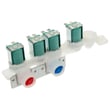
| Won’t fill / fill errors | No water or slow fill | Water valve WH23X29538 |
| Won’t drain | Standing water, wet clothes | GE washer drain pump assembly WH11X39237 |
| Door leak | Water at front, musty odor, visible tears | Washer door boot WH05X29521 |
Error codes help narrow it down
If your display shows an error code, use it to pinpoint the system that stopped the cycle (door lock, drain, fill, motor control). We recommend checking GE gfw front load washer error codes for the most direct match to your symptom.
Why it matters
Drain, spin, and door-lock problems can look similar, but the fix is different. A simple restriction in the tub-to-pump hose can mimic a bad pump, and a door alignment issue can mimic a control failure. A few quick checks can prevent unnecessary part replacement.
Last updated: February 2026
What is the average lifespan of a GE washing machine?
Most GE washing machines average 10 to 14 years of service life. For a front-load model like GE GFW550SPR5RS, lifespan depends heavily on routine cleaning, correct detergent use (HE), and preventing leaks and vibration that can shorten the life of bearings, the drain system, and electronic controls.
Typical lifespan ranges (what we see most often)
| Washer type | Typical lifespan | Notes |
|---|---|---|
| Front-load washer (like GFW550SPR5RS) | 10 to 14 years | More sensitive to odor, over-sudsing, and door boot wear |
| Top-load washer | 11 to 15 years | Often more forgiving of small maintenance lapses |
What extends the life of your GE GFW550SPR5RS
- Use HE detergent and avoid overfilling; excess suds can stress the drain pump and control.
- Leave the door slightly open between loads to reduce moisture and odor.
- Wipe the door boot and glass after washing; check for small items trapped in the folds.
- Level the washer and reduce chronic out-of-balance loads to protect suspension and tub components.
- Inspect fill hoses and connections periodically; replace at the first sign of bulging or seepage.
Parts that commonly affect longevity
These parts do not set the lifespan by themselves, but failures here are common reasons a washer gets sidelined:
- Door won’t lock or start: GE washer door lock WH01X29528
- Won’t fill or fills slowly: water valve WH23X29538
- Leaks at the door opening: washer door boot WH05X29521
- Won’t drain or drains poorly: GE washer drain pump assembly WH11X39237
Why it matters
A washer that is kept clean, level, and leak-free typically reaches its full expected lifespan; poor drainage, repeated vibration, and moisture buildup can cause early failures in the tub system, suspension, and control electronics.
Last updated: February 2026