 Owner’s manual
How many CFM is a microwave hood?
Most over-the-range microwave/hood combos move less air than a dedicated range hood; a typical microwave hood is around 150 to 300 CFM, and many are about 200 CFM. For your Kenmore 11183513910, the exact CFM rating is listed in the product specifications in the owner's manual.
What CFM means for cooking
CFM (cubic feet per minute) is the airflow the vent fan can move. Higher CFM helps clear smoke, steam, and odors faster, especially with high-heat cooking.
- 150 to 200 CFM: light cooking, simmering, low smoke
- 200 to 300 CFM: everyday cooking, moderate smoke and steam
- 300+ CFM (more common on range hoods): frequent searing, wok cooking, heavy smoke
What affects real-world vent performance
Even with the same CFM rating, performance changes based on installation and maintenance.
- Venting method: outside venting usually clears air better than recirculating
- Duct length and elbows: longer runs and more turns reduce airflow
- Grease filters: clogged filters restrict air movement
- Fan speed used: High vs. Low makes a noticeable difference
Quick checks and maintenance that help
Your model uses reusable metal grease filters; keeping them clean helps the vent fan move air.
- Clean the grease filters monthly (or more often with frequent frying)
- Confirm the filters are seated correctly after cleaning
- Use High fan speed before you start cooking to capture smoke early
- If airflow seems weak, inspect for blocked venting (if ducted)
| Symptom | Common cause | What to do |
|---|---|---|
| Fan runs but little airflow | Grease filters dirty | Clean and reinstall filters |
| More odor than usual | Recirculating setup needs good charcoal filtration | Check your venting setup in the manual |
| Loud fan, poor capture | Duct restriction or backdraft damper issue | Inspect duct path and damper movement |
Why it matters
Choosing the right CFM (and keeping filters clean) helps protect cabinets from grease buildup, improves indoor air quality, and reduces lingering cooking odors while your microwave is running.
Last updated: February 2026
Is Kenmore a good microwave?
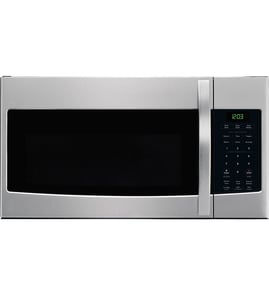
Kenmore microwaves are a solid choice for everyday reheating, defrosting, and basic cooking, and the Kenmore 11183513910 microwave/hood combo is built around practical features and standard safety protections. For the best experience, use the cookware and operating guidelines in the owner's manual.
What “good” means for a microwave/hood combo
A microwave/hood combo has two jobs: microwave cooking and venting over the range. In most kitchens, “good” comes down to consistent heating, simple controls, and dependable door and safety interlocks.
Common strengths customers look for:
- Straightforward controls for daily use
- Reliable reheating and defrost performance
- Over-the-range design that saves counter space
- Standard safety interlock system (door must close properly to run)
How to judge your Kenmore 11183513910 in real use
Use this quick checklist to decide if it is meeting expectations.
- Heats a cup of water consistently (same time, similar results)
- Door closes smoothly and seals cleanly (no debris on sealing surfaces)
- No arcing or sparking during normal use
- Fan and light operate normally when cooking
- Interior stays clean and odor-free with routine wipe-downs
Quick “good vs. needs attention” guide
| What you notice | Usually means | What to do next |
|---|---|---|
| Even reheating, no unusual noises | Normal operation | Keep using microwave-safe cookware |
| Food heats unevenly | Placement or cookware issue | Stir/rotate food; use microwave-safe containers |
| Arcing/sparking | Metal contact or damaged waveguide cover area | Stop use; remove metal; inspect interior |
| Runs but does not heat | Heating circuit issue | Follow safe troubleshooting steps; consider service |
Why cookware and habits matter (a lot)
Many “bad microwave” complaints come from unsafe materials or cooking practices. The manual specifically warns that metal or metal-trimmed items can cause arcing, and some plastics can soften or melt if not labeled microwave-safe.
Safe-use basics we recommend:
- Use only microwave-safe containers and wraps
- Avoid metal, metal trim, and twist ties
- Vent plastic wrap and keep it from touching food
- Stay nearby during cooking to prevent overcooking and smoke
For symptom-based help, use why is my microwave not heating if the unit runs but food stays cold.
Last updated: February 2026
What is the standard height for a microwave hood?
For a Kenmore over-the-range microwave/hood combo like model 11183513910, the common standard is to mount the bottom of the microwave about 18 inches above the cooktop. That typically puts the microwave’s bottom around 54 inches above the finished floor when the range height is about 36 inches.
Typical clearances to plan for
These are the measurements we see most often for microwave/hood combos installed over a range:
- 18 inches from cooktop to the bottom of the microwave (most common target)
- 30-inch max range width for many OTR units (this model family is designed for ranges no wider than 30 inches)
- Keep the unit centered over the range for best venting and capture
- Avoid mounting over a sink (common safety and installation restriction)
For model-specific mounting notes and diagrams, use the owner's manual.
Quick reference table
| Measurement | Typical standard | What it affects |
|---|---|---|
| Cooktop to microwave bottom | 18 in. | Headroom, safe cooking clearance, vent capture |
| Finished floor to microwave bottom | ~54 in. | Overall ergonomics and cabinet alignment |
| Max range width under unit | 30 in. | Fit and safe installation |
Why it matters
Correct mounting height helps the vent fan pull smoke and steam effectively, keeps the microwave at a comfortable reach, and maintains safe clearance above burners. Too low can create heat exposure issues; too high reduces vent performance.
Installation tips we use in the field
- Measure from the cooktop surface, not the countertop.
- Confirm your range height (many are about 36 inches tall).
- If you have tall cookware or high-BTU burners, stick closely to the manual’s guidance.
- Verify the cabinet and wall structure can support the microwave’s weight before mounting.
Last updated: February 2026
Why is my Kenmore microwave display not working?
If the display on your Kenmore 11183513910 microwave/hood combo is blank or unresponsive, the most common causes are a power interruption, a tripped house circuit, or a failed control component (such as the control board or display). Start with a simple power reset, then confirm the outlet and door are closing fully.
Quick checks we recommend first
- Unplug the microwave (or switch off the breaker) for 5 minutes, then restore power and test the display.
- Confirm the power cord is fully seated in the outlet.
- Try a different outlet on a separate circuit (microwaves can be sensitive to low voltage).
- Close the door firmly; the oven will not start unless the door is completely closed.
- If the display is dim only during certain cooking modes, that can be normal operation.
What the symptoms usually mean
| Symptom | Most likely cause | What to do next |
|---|---|---|
| Display completely blank, no response | No power to unit, blown internal fuse, or failed control | Verify outlet and breaker; if power is good, plan a fuse and control diagnosis |
| Display works but keypad will not start cooking | Door not fully closed, obstruction at door seal area, or control issue | Check door/seal area; retest Start |
| Display dims during variable power cooking | Normal cycling | No repair needed |
Why it matters
A dead display is often a power or control issue, but a microwave can still store hazardous electrical energy internally even when unplugged. Confirming basic power and door conditions first prevents unnecessary parts replacement and helps narrow the failure to the correct circuit.
Use the manual for model-specific guidance
We recommend following the troubleshooting and operating checks in the 11183513910 owner's manual, including door-closure and power-related checks.
If the display stays blank after the reset and you have confirmed good power at the outlet, the next step is typically diagnosing the internal fuse and control components using safe test procedures (a multimeter is commonly used).
Related help: how to replace a microwave fuse
Last updated: February 2026