Error Codes




What is the life expectancy of a GE gas range?
A GE gas range typically lasts 13 to 15 years. With regular cleaning, proper burner maintenance, and prompt repair of ignition or temperature issues, many ranges reach the high end of that range or longer.
Typical lifespan and what affects it
Most gas ranges wear based on heat exposure, spills, and how often the oven and cooktop are used.
- Daily heavy cooking shortens lifespan faster than occasional use
- Keeping burner ports clean helps prevent uneven flames and ignition strain
- Avoiding boil-overs into controls reduces switch and wiring damage
- Fixing weak igniters early prevents longer bake times and extra heat stress
- Good ventilation reduces heat buildup around controls and panels
Common “end-of-life” symptoms
These issues often show up as a range ages; many are repairable if caught early.
- Oven temperature swings or long preheat times
- Burners clicking constantly or failing to ignite
- Gas odor (shut off gas and address immediately)
- Control knobs that feel loose or don’t regulate heat well
- Uneven baking or broiling performance
Repair vs. replace: quick guide
| Situation | Usually makes sense to | Why |
|---|---|---|
| One burner won’t ignite, rest works | Repair | Often a small part or cleaning issue |
| Oven won’t heat but cooktop is fine | Repair | Common ignition or control component failure |
| Multiple burners + oven unreliable | Consider replace | Stacked repairs add up |
| Rusted cavity or major gas valve issues | Consider replace | Safety and cost concerns |
Why it matters
Knowing the expected 13 to 15 year lifespan helps you decide whether to invest in repairs or plan a replacement, especially when multiple systems (burners, oven heat, controls) start failing close together.
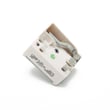
For model-specific parts and diagrams, use the parts list for your exact model; for example, the GE electric range model JBS60RK8SS uses components like the GE range surface element control switch WB24X25013 (electric cooktop control), which is not used on a gas cooktop.
Last updated: January 2026
What are common problems with GE ranges?
Common problems on a GE electric range like model JBS60RK8SS usually involve uneven or dead cooktop heating, oven not heating correctly, temperature control issues, and door heat leaks. Many of these symptoms trace back to a surface element, a burner control switch, or an oven heating or sealing component.
Most common symptoms we see
- One cooktop burner will not heat, or heats only on high
- Burner cycles erratically (too hot, then too cool)
- Hot surface indicator stays on, or will not come on
- Oven takes too long to preheat or will not reach set temperature
- Broil works but bake seems weak (or the reverse)
- Burning smell (often food residue, but sometimes overheated wiring or a failing control)
Likely causes and the parts that often fix them
| Symptom | Most likely area | Example model-matched part to check |
|---|---|---|
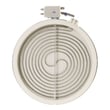
| One radiant element not heating | Radiant surface element | GE range dual radiant surface element, 6 to 9-in WB30X24111 |
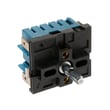
| Burner heat is erratic | Infinite switch (burner control) | GE range surface element control switch WB24X25013 |
| Oven heat escapes, long preheat | Door seal | Range oven door gasket WB04T10086 |
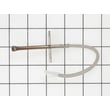
| Broil not working | Broil element | Range broil element WB44X45497 |
Quick checks before replacing parts
- Confirm the cookware is flat and centered; warped pans cause uneven radiant heating.
- For a dead burner, swap it with a same-size burner (if your cooktop layout allows) to see if the problem follows the element.
- If heat is erratic, listen for normal cycling; rapid, inconsistent cycling often points to the switch.
- For oven issues, check for gaps or tears in the door gasket and verify the door closes squarely.
- If you smell burning, shut off power at the breaker and inspect for scorched wiring at the terminal block and behind the control panel.
Error codes (when the control is beeping or flashing)
If your display shows an error code, use our GE-specific guides to match the code to the failure and next steps: GE freestanding range error codes and GE manual cleaning range error codes.
Why it matters
Heating and control problems can overcook food, extend preheat times, and overheat wiring. Catching a weak element, failing switch, or leaking door gasket early helps protect the control board and keeps temperatures stable.
Last updated: January 2026
Can I replace a gas oven with an electric oven?
Yes, you can replace a gas oven with an electric oven, but it is not a simple swap. For a home setup like a GE range installation, you typically need a dedicated 240-volt circuit, the correct outlet/cord, and the gas line safely capped before the electric range is put in place.
What has to change when switching from gas to electric
A gas range usually uses gas for heat and 120 volts for controls, while an electric range like GE model JBS60RK8SS needs 240 volts for the heating system.
- Install or confirm a dedicated 240V branch circuit sized for the range
- Match the receptacle type to the range cord (3-prong vs 4-prong, as required)
- Cap and secure the existing gas supply line properly
- Verify the anti-tip bracket is installed and engaged
- Confirm the opening size and clearances for a freestanding electric range
Quick comparison: gas vs electric replacement requirements
| Item | Existing gas range | New electric range |
|---|---|---|
| Fuel/heat source | Gas line | 240V electric circuit |
| Typical power need | 120V for ignition/clock | 240V for elements and oven |
| Main “must-do” change | Gas shutoff and cap | New/verified 240V wiring and outlet |
| Common pro to plan for | Fast flame response | Steady radiant heat |
Safety and planning checklist
Turn off power at the breaker and shut off the gas before any work begins.
- Use a qualified electrician to install or verify the 240V circuit and receptacle
- Use a qualified installer or plumber to cap the gas line and check for leaks
- Do not reuse a 120V outlet; it will not run an electric range
- After install, test bake and broil and confirm surface elements cycle normally
Why it matters
A correct 240V electrical supply prevents nuisance breaker trips and weak heating, and properly capping the gas line prevents dangerous leaks. Planning these steps up front also avoids damaging the cord, receptacle, or flooring during installation.
For general range setup and common installation questions, see range common questions.
Last updated: January 2026
What are the benefits of JBS60RK8SS?
The GE JBS60RK8SS electric range is built for everyday cooking with a smooth radiant cooktop, flexible broiling control, and a straightforward electronic clock and timer. These features help you cook more consistently and keep cleanup simpler after spills.
Key benefits you will notice day to day
- Radiant glass cooktop: Flat surface wipes down faster than coil-style tops.
- Multiple element sizes: Supports small saucepans and larger skillets with different burner diameters.
- Flexible broiling: Hi/Lo broil settings help you brown foods without overcooking.
- Simple time controls: Electronic clock and timer help with bake and broil timing.
- Serviceable design: Common wear items (surface elements, switches, door gasket) are replaceable.
Parts that support these benefits
If performance drops, these model-matched parts often restore normal cooking and temperature control:
| Symptom | What it affects | Common related part for JBS60RK8SS |
|---|---|---|
| One surface burner will not heat or cycles erratically | Cooktop performance | GE range surface element control switch WB24X25013 |
| Large burner will not switch sizes or heat evenly | Dual-size cooking | GE range dual radiant surface element, 6 to 9-in WB30X24111 |
| Oven heat leaks, longer preheat, uneven baking | Oven temperature stability | Range oven door gasket WB04T10086 |
Why it matters
When the cooktop elements and controls are working correctly, you get steadier heat, fewer hot spots, and better timing. A good door seal also helps the oven hold temperature, which improves baking results and can reduce unnecessary heat loss.
Helpful DIY reference
For general range operation and feature questions, we use range common questions as a quick guide to common cooking and control topics.
Last updated: January 2026