Owner’s manual
 View engine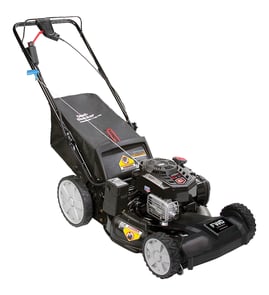



Are gas lawn mowers being phased out?
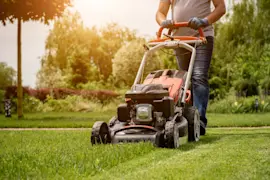
Gas walk-behind mowers like the Craftsman 917374360 are not being phased out everywhere at once; the shift is happening gradually as some states and cities restrict new sales or use, while many areas still allow gas mowers and support parts and service. For owners, maintenance and parts availability remain the practical focus.
What “phased out” usually means
Most changes target new equipment sales and, in some areas, where and when gas equipment can be used. Existing gas mowers typically remain legal to own and operate, but local rules can affect replacement decisions.
- Restrictions are often regional (state, county, or city)
- Rules may apply to new sales rather than existing mowers
- Commercial landscaping rules can differ from residential rules
- Noise and emissions standards are common drivers
- Parts support continues as long as demand exists
What to do if you plan to keep this mower
Your best move is to keep the mower safe, reliable, and easy to start. The manual for this model also emphasizes basic safety and maintenance practices.
- Keep the blade sharp; replace bent or damaged blades
- Use fresh fuel and avoid storing with gasoline indoors
- Keep the air filter clean to prevent hard starting
- Check that rear drive wheels move freely and clean debris buildup
- Store the mower dry; avoid plastic covers that trap moisture
A common wear item for cutting performance is the blade; this model has a 22-inch deck blade option: husqvarna lawn mower 22-inch deck 3-in-1 blade 532421825.
Quick comparison: gas vs electric (typical homeowner tradeoffs)
| Topic | Gas walk-behind mower | Electric walk-behind mower |
|---|---|---|
| Runtime | As long as you refuel | Limited by battery/cord |
| Maintenance | Fuel, oil, spark plug, air filter | Mostly blade and cleaning |
| Storage | Fuel handling matters | Battery care matters |
| Noise | Typically louder | Typically quieter |
Why it matters
If your area tightens rules on new gas mower sales, keeping your Craftsman 917374360 maintained helps you avoid an urgent replacement and keeps mowing performance consistent season to season. For model-specific operating and safety details, use the Craftsman 917374360 owner’s manual.
Last updated: January 2026
How much does a 72 inch mower weigh?
A 72-inch mower is a large riding or zero-turn machine; most weigh about 900 to 1,500 lb depending on engine size, frame, and whether it has a heavy-duty deck. Your Craftsman walk-behind mower model 917374360 is a smaller deck mower, so it weighs far less than a 72-inch unit.
Typical weight ranges for 72-inch mowers
Most 72-inch mowers fall into these common ranges:
- Residential zero-turn (72-inch): ~900 to 1,200 lb
- Commercial zero-turn (72-inch): ~1,000 to 1,500 lb
- Front-mount or diesel commercial: often 1,400 lb and up
| 72-inch mower type | Typical weight | Notes |
|---|---|---|
| Residential zero-turn | 900 to 1,200 lb | Lighter frames, smaller fuel tanks |
| Commercial zero-turn | 1,000 to 1,500 lb | Heavier deck spindles, stronger chassis |
| Front-mount or diesel | 1,400 lb+ | Built for attachments and long duty cycles |
How this relates to Craftsman 917374360
The Craftsman 917374360 is a walk-behind mower with a 22-inch blade listed in the parts breakdown, so it is in a completely different size and handling class than a 72-inch mower.
- Use the 917374360 owner's manual for model-specific operating specs (oil type, fuel capacity, blade bolt torque).
- If you are servicing the cutting system, match the deck size by using the correct blade, such as the 22-inch deck 3-in-1 blade 532421825.
- For transport planning, base ramp and tie-down ratings on the actual mower weight and the combined load with fuel and accessories.
Why it matters
Mower weight drives safe loading and unloading, ramp rating, trailer axle capacity, and turf compaction. Using 72-inch mower assumptions for a walk-behind mower can lead to unsafe handling or buying the wrong transport equipment.
Last updated: January 2026
Should I use 87 or 93 for lawn mower?
For the Craftsman lawn mower model 917374360, use fresh regular unleaded gasoline with a minimum of 87 octane (AKI); 93 octane is not required for normal operation. Focus more on fuel freshness and safe operation practices listed in the 917374360 owner's manual.
What to use (and what to avoid)
- Use 87 octane (AKI) or higher regular unleaded gas.
- Use clean, fresh fuel; small-engine fuel can start degrading in about 30 days.
- Avoid using old gas that smells sour or looks dark.
- Do not mix oil into the gas unless your engine specifically calls for a fuel mix (most walk-behind mowers are 4-cycle and use straight gas).
- If you store fuel, use an approved gas can and keep it sealed.
Quick comparison: 87 vs 93 octane
| Fuel choice | Works in 917374360? | When it helps | What you will notice |
|---|---|---|---|
| 87 octane (regular) | Yes (recommended minimum) | Normal mowing conditions | Normal starting and power |
| 93 octane (premium) | Yes (optional) | Rarely needed; does not fix stale fuel or carb issues | Usually no performance gain |
If the mower runs rough or is hard to start
Higher octane usually does not solve starting or running problems. These checks matter more:
- Drain and replace old fuel; refill with fresh 87 octane.
- Check the air filter and spark plug condition.
- Make sure the operator presence control bar is held down during starting.
- If the mower will not move under power, inspect the drive system and belt condition.
Helpful DIY resources:
- How to keep lawn mower gas from going bad
- Lawn mower wont start troubleshooting video fuel ignition and compression
Why it matters
Using the correct octane keeps operation simple and cost-effective, but fuel freshness is what most often prevents hard-starting, surging, and poor performance in small engines.
Last updated: January 2026