Error Codes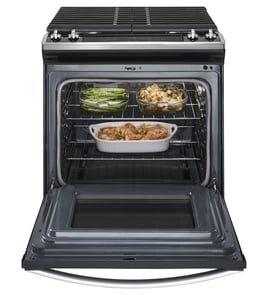




Does KitchenAid make gas ranges?
Yes. KitchenAid makes gas ranges, and your KitchenAid KFGG504KPS1 is a gas range model. If you are shopping parts or planning a repair, matching the exact model number ensures the igniters, spark system, and controls fit and work correctly.
What this means for your KFGG504KPS1
KitchenAid gas ranges use a combination of gas components (burners, valves, manifold) and electrical ignition/control parts (spark module, igniters, wiring). When a burner will not light or the oven will not heat, the fix is often a common service part for this model.
Common parts customers replace include:
- Oven igniter for bake heat
- Oven burner igniter (depending on symptom and design)
- Spark module for surface burner ignition
- Gas valve if gas flow is not opening correctly
- Knobs and bezels if cracked, loose, or stripped
Popular gas-range parts for this model
Here are a few examples of model-matched parts that support ignition and heating:
| Symptom | Likely system | Example model-matched part |
|---|---|---|
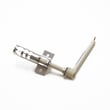
| Oven will not heat (no ignition) | Bake ignition | Range oven igniter WPW10324262 |
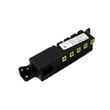
| Surface burners keep clicking or do not spark | Spark ignition | Spark module (red) WPW10475149 |
| Weak or inconsistent ignition across burners | Spark control | Module-spark W11162730 |
Why it matters
Gas ranges are model-specific for fit and electrical connectors. Using the exact KFGG504KPS1 model helps you avoid ordering the wrong igniter, spark module, or control part, which saves time and prevents repeat repairs.
Last updated: February 2026
How good are KitchenAid gas ranges?
KitchenAid gas ranges, including model KFGG504KPS1, are a strong choice for everyday cooking because they typically deliver even oven baking, responsive burner control, and durable grates and knobs. Overall quality is best when the burners ignite consistently and the oven holds temperature accurately.
What “good” looks like in real use
- Burners light quickly and adjust smoothly from simmer to high heat.
- Oven preheats in a reasonable time and maintains steady temperatures.
- Racks slide smoothly and the door seals tightly.
- Controls feel solid and markings stay readable.
- Cleaning is manageable (especially around burner caps and the cooktop surface).
Quick quality checklist (cooktop and oven)
| Area | What to check | What it tells you |
|---|---|---|
| Cooktop ignition | Clicking then flame within a few seconds | Healthy spark system and gas flow |
| Flame pattern | Mostly blue, steady, even around burner | Proper air-gas mix and clean ports |
| Oven bake | Strong, steady heat after ignition | Igniter and burner working correctly |
| Temperature | Food browns evenly across the rack | Calibration and airflow are on track |
Common issues that affect performance (and the parts that fix them)
If your range feels “not as good” as expected, it is usually a specific system acting up:
- Oven not heating or slow to heat: a weak igniter is a top cause; see range oven igniter WPW10324262.
- Burners clicking or not sparking correctly: ignition components can be involved; see spark module (red) WPW10475149 or module-spark W11162730.
- Uneven baking: check for a worn door seal, blocked burner ports, or rack position habits.
Why it matters
A “good” gas range is really about consistency: reliable ignition, stable oven temperature, and predictable burner control. When those are right, you get better results, fewer relights, and less frustration during big meals.
Last updated: February 2026
How to reset KitchenAid gas oven?
To reset a KitchenAid gas range oven like model KFGG504KPS1, we power-cycle the control: turn the range off, cut power at the breaker for about 1 minute, then restore power and press Cancel/Off. This clears many temporary control glitches.
Quick reset steps (safe power-cycle)
- Press Cancel/Off to stop any bake, broil, or self-clean cycle.
- Turn all burner knobs to Off.
- Switch the range circuit breaker Off (or unplug the cord if accessible).
- Wait 60 seconds.
- Restore power, then set the clock if needed.
- Test Bake and Broil.
If the oven still will not heat after a reset
A reset will not fix a failed heating-ignition system. On a gas range, the most common no-heat causes are a weak igniter, an ignition circuit issue, or a gas valve problem.
- If you smell gas but the oven does not light: stop, ventilate, and shut off gas.
- If there is no glow from the igniter: suspect the igniter or its wiring.
- If the igniter glows but the burner does not light: the igniter can be too weak to open the valve.
Parts that commonly relate to “no heat” symptoms
| Symptom | Common suspect | Example part for KFGG504KPS1 |
|---|---|---|
| No igniter glow | Bake igniter circuit | Range oven igniter WPW10324262 |
| Intermittent ignition, clicking issues | Spark system | Spark module (red) WPW10475149 |
| No gas flow to oven burner | Gas valve | Gas valve W11233561 |
Why it matters
Resetting restores the electronic control to a known good state, which helps separate a one-time control lockup from a real component failure (like an igniter that is worn out and cannot reliably light the oven burner).
Last updated: February 2026
What are the parts on a gas stove called?
On the KitchenAid KFGG504KPS1 gas range, the main “gas stove” parts are the cooktop burner pieces (burner head and cap), grates, and control knobs, plus the ignition system that lights the gas. In the oven, key parts include the igniter, gas valve, burner, and electronic controls.
Common gas stove part names (cooktop)
These are the names customers most often use when shopping for replacement parts:
- Burner head (burner base)
- Burner cap
- Grate
- Control knob and knob bezel
- Ignition system (spark electrode, spark wiring, spark module)
- Manifold (gas distribution tube behind the knobs)
Common gas stove part names (oven)
The oven section has its own gas and ignition components:
- Bake igniter (hot surface igniter)
- Oven burner and burner igniter
- Gas valve (safety valve)
- Oven control board and keypad (membrane switch)
- Door hinge and door glass
- Oven insulation and frame seals
Parts you will see listed for model KFGG504KPS1
Here are a few examples of real part names used for this model, which helps match what you see on the diagram to what you call it at home:
| What you call it | How it may appear in parts lists | Example part for KFGG504KPS1 |
|---|---|---|
| Oven igniter | Range oven igniter / bake igniter | Range oven igniter WPW10324262 |
| Spark control | Spark module / module-spark | Spark module (red) WPW10475149 |
| Gas shutoff inside range | Gas valve | Gas valve W11233561 |
| Oven door hinge | Hinge-act | Hinge-act,20 W11162113 |
Why it matters
Using the correct part name helps you avoid ordering the wrong item, especially on gas ranges where “igniter,” “spark module,” and “gas valve” are different parts with different jobs.
Quick tips to identify the right part
- If a surface burner clicks but will not light, focus on the spark electrode, wiring, or spark module.
- If the oven will not heat but the broiler works, the bake igniter is a common suspect.
- If you smell gas or suspect a leak, shut off the gas supply and have a qualified technician check the range.
- Match parts by model number KFGG504KPS1 and by the part name shown on the diagram.
Last updated: February 2026
What is the life expectancy of a KitchenAid gas range?
A KitchenAid gas range like model KFGG504KPS1 typically lasts 13 to 15 years. With consistent cleaning, correct burner flame, and timely replacement of wear parts (especially ignition components), many ranges reach the upper end of that range.
Typical lifespan and what affects it
Most gas ranges fail early due to ignition, gas delivery, or control issues rather than the oven cavity itself.
- Heavy daily cooking shortens lifespan faster than occasional use
- Spills and boilovers can damage igniters, wiring, and switches
- Poor airflow and grease buildup increase heat stress on controls
- Power surges can shorten the life of electronic boards
- Promptly fixing weak ignition prevents repeated strain on parts
Parts that commonly limit lifespan (and why)
If your KFGG504KPS1 starts taking longer to light, clicking constantly, or struggling to heat, these parts are common culprits.
| Symptom | Common cause | Example part for this model |
|---|---|---|
| Oven won’t heat or heats inconsistently | Weak bake ignition | Range oven igniter WPW10324262 |
| Burners click or won’t spark reliably | Failing spark system | Spark module (red) WPW10475149 |
| Oven burner won’t light | Burner ignition issue | Range oven burner igniter WPW10333842 |
Maintenance that adds years
These habits reduce breakdowns and keep cooking performance steady.
- Keep burner caps seated correctly after cleaning
- Clean spills quickly so they do not bake onto the cooktop and ports
- Avoid lining the oven bottom with foil (it can trap heat and affect airflow)
- Use a gentle stainless cleaner on exterior surfaces to prevent corrosion
- If you smell gas, shut off the gas supply and stop using the range until it’s checked
Why it matters
A gas range can run for years with minor repairs, but ignition and control problems can make the oven unreliable long before the cabinet wears out. Replacing a failing igniter or spark module early often restores normal operation and helps you get the full expected lifespan.
Last updated: February 2026
Where to find model number on KitchenAid gas range?
On your KitchenAid gas range model KFGG504KPS1, the model number is printed on the appliance’s rating label, typically found around the oven door frame area or on a storage or warming drawer frame. We use that exact model number to match the correct parts and diagrams for your range.
Common places to check on a KitchenAid gas range
- Open the oven door and check the frame around the opening (left or right side)
- Look along the bottom front edge of the oven frame (near the door hinges)
- Pull out the storage drawer or warming drawer and check the frame behind it
- Check the side trim just inside the door opening
- If your range is installed tight to cabinets, use a flashlight and look for a white or silver label
What the label looks like (and what to write down)
The rating label usually includes both a model number and a serial number.
| Label item | Example | Why we need it |
|---|---|---|
| Model number | KFGG504KPS1 | Ensures exact-fit parts (igniters, knobs, boards) |
| Serial number | (varies) | Helps confirm production series when parts change |
Why it matters
KitchenAid ranges often have similar-looking versions with different burner, ignition, or control configurations. Using the exact model number helps avoid ordering the wrong component, especially for ignition and control parts like the range oven igniter WPW10324262 or spark module (red) WPW10475149.
Quick tips before ordering parts
- Copy the model number exactly, including all letters and numbers
- Take a clear photo of the label for reference
- Match the model number to the parts list before choosing a replacement
Last updated: February 2026
Why does my KitchenAid oven smell like gas?
A brief gas odor during the first few minutes of preheating on your KitchenAid KFGG504KPS1 is normal because the burner is lighting and combustion is stabilizing. If the smell continues after preheat, gets stronger, or you suspect a leak, stop using the range and address it immediately.
What’s normal vs. what’s not
Normal (odor fades quickly):
- Light gas smell for 1 to 5 minutes during preheat
- Odor only while the oven is actively igniting
- No smell when the oven is off
Not normal (needs action):
- Gas smell that persists beyond preheat
- Smell when the oven is off
- Burner repeatedly clicking/trying to light, or delayed ignition
- Soot, yellow flames, or a “puff” sound at ignition
Quick safety steps we recommend
- Turn the oven off; do not keep trying to relight it.
- Open windows and ventilate the kitchen.
- Do not use matches, lighters, or switches if you strongly smell gas.
- If the odor is strong or you suspect a leak, shut off the gas supply valve and contact your gas supplier or a qualified technician.
Common causes on a gas range
| Symptom | Likely cause | What to check next |
|---|---|---|
| Smell only during ignition | Normal lighting cycle | Confirm it fades within a few minutes |
| Delayed ignition, stronger odor | Weak igniter or poor burner ignition | Inspect/replace the range oven igniter WPW10324262 |
| Clicking or ignition issues on top burners too | Spark system problem | Check the spark module (red) WPW10475149 connections |
| Smell plus uneven flames | Burner/air mix issue or debris | Clean burner ports; verify proper flame pattern |
Why it matters
A short-lived odor can be part of normal operation, but a persistent gas smell often points to delayed ignition or a gas delivery/ignition problem. Fixing the cause helps prevent flare-ups, soot, and unsafe gas buildup.
Last updated: February 2026
Why is my KitchenAid gas oven not heating up?
If your KitchenAid gas range model KFGG504KPS1 isn’t heating, the most common cause is a weak or failed oven igniter that can’t open the gas valve fully. When the igniter doesn’t glow bright or the burner never lights, replacing the igniter typically restores normal baking.
Quick checks we recommend first
- Confirm the oven is set to BAKE (not BROIL) and the temperature is above room temp.
- Look through the oven bottom vents for an igniter glow during preheat.
- Listen for a click and then a smooth “whoosh” ignition; repeated clicking with no flame points to ignition trouble.
- If the igniter glows but the burner lights late or not at all, the igniter is usually weak.
- If the surface burners work but the oven does not, the issue is typically in the oven ignition circuit, not the home gas supply.
Most likely parts for “no heat” on KFGG504KPS1
| Symptom | Most likely cause | What we do next |
|---|---|---|
| No igniter glow | Failed igniter or wiring issue | Inspect wiring, then replace igniter if open/shorted |
| Igniter glows dim, no flame | Weak igniter | Replace igniter |
| Burner lights sometimes, long preheat | Weak igniter | Replace igniter |
| No bake, broil works | Bake igniter circuit issue | Test/replace bake igniter |
For this model, the correct replacement is the range oven igniter WPW10324262.
How we test the igniter (safe DIY overview)
- Turn off power at the breaker; shut off the gas supply valve.
- Access the igniter at the oven burner area.
- Check the harness connection for heat damage or looseness.
- Use a multimeter to check continuity/resistance; an open circuit indicates a failed igniter.
- If the igniter is weak (glows but won’t reliably light the burner), replacement is the practical fix.
If you find damaged wiring, use the steps in how to repair broken or damaged wires video to make a proper high-heat-safe repair.
Why it matters
A weak igniter can prevent the gas valve from opening correctly, so the oven never reaches temperature. Fixing ignition restores safe, consistent burner lighting and normal preheat times.
Last updated: February 2026