 Error Codes
Can I still get parts for old singers?
Yes. We still see replacement parts available for many older Singer sewing machines, including the Singer 5932, as long as you match the part to the exact model and version. Availability varies by part type, but common wear items (belts, bobbins, needles, foot controls) are often the easiest to source.
How to find the right part for an older Singer
Use a model-first approach so you do not buy a “close enough” part that will not fit.
- Confirm the model number on the ID plate: 5932
- Identify the system involved: needle area, bobbin/hook area, drive system, or power/foot control
- Compare mounting style and measurements (belt length, connector type, screw spacing)
- Check whether the part is a wear item (more commonly available) or a casting/gear (less common)
- If the machine is binding or jammed, fix the cause before replacing parts
For broader searching by model number and sewing machine parts categories, use Sears PartsDirect.
What’s typically available vs. harder to find
Older machines usually have a mix of easy-to-replace consumables and model-specific mechanical parts.
| Part type | Typical availability | Notes |
|---|---|---|
| Needles, bobbins, presser feet | High | Must match shank style and bobbin type used by the machine |
| Belts and motor brushes | Medium to high | Fit depends on belt profile/length and motor design |
| Foot pedal/cord, power switch | Medium | Connector style and amperage rating matter |
| Gears, shafts, housings | Low to medium | Often model-specific; may require careful cross-referencing |
If your “old Singer” is locking up or not moving
A lot of “needs a part” situations are actually thread jams, lint buildup, or dried lubricant.
- Remove the needle and presser foot; clear thread from the hook/bobbin area
- Re-thread the upper thread with the presser foot raised
- Install a new needle (correct size and type for the fabric)
- Turn the handwheel by hand to confirm the machine rotates freely
- If it still binds, follow our troubleshooting steps in sewing machine locks up
Why it matters
Singer sewing machines can look similar across generations, but small differences in bobbin style, shank type, and drive components determine fit. Matching parts to the exact model (Singer 5932) prevents repeat failures and saves time during repair.
Last updated: February 2026
What are the disadvantages of mechanical sewing machines?
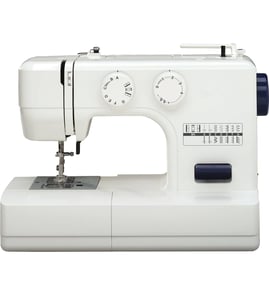
Mechanical sewing machines like the Singer 5932 are simple and dependable, but the tradeoff is fewer built-in features and less automation than computerized models. That means more manual setup (tension, stitch selection, buttonholes) and fewer specialty stitches for decorative or advanced projects.
Common disadvantages (what you may notice day to day)
- Fewer stitch options: typically basic utility stitches, with limited decorative stitches.
- More manual adjustments: you usually set stitch length, width, and thread tension by hand.
- Less “guided” sewing: no on-screen prompts, memory settings, or automatic recommendations.
- Harder specialty work: embroidery-style work and some quilting conveniences are limited.
- Fewer automatic features: buttonholes, needle positioning, and speed control are often more basic.
Mechanical vs. computerized: quick comparison
| Feature | Mechanical sewing machine (Singer 5932 type) | Computerized sewing machine |
|---|---|---|
| Stitch selection | Dial/lever | Buttons/screen menus |
| Adjustments | Mostly manual | Often assisted/automatic |
| Specialty stitches | Limited | Usually many |
| Ease for beginners | Simple controls, but more trial-and-error | More guidance, more settings |
| Repairability | Often straightforward | More electronics to diagnose |
Why it matters
If you mainly sew hems, simple repairs, and basic garments, a mechanical machine’s simplicity is a benefit. If you want lots of decorative stitches, convenience features, or embroidery-like capability, the limitations can slow you down or require more add-on tools and practice.
Practical tips to reduce the downsides
- Keep a small “test scrap” nearby to dial in tension before each project.
- Re-thread top thread and bobbin whenever stitches look uneven.
- Clean lint from the bobbin area regularly to prevent drag and jams.
- Use the right needle type and size for the fabric to reduce skipped stitches.
- For troubleshooting, use our symptom guides like sewing machine skipping stitches.
For parts lookup and model-based searching, start with the parts list for Singer 5932 and use Sears PartsDirect if you need to search by model number.
Last updated: February 2026
What is the most sought after vintage sewing machine?
Collectors most often chase the Singer Featherweight (221/222) as a top pick, but there is no single “most sought-after” vintage sewing machine for everyone. Demand depends on portability, stitch type (straight vs. zigzag), rarity, condition, and whether the machine is complete and running.
Vintage models that are consistently in high demand
- Singer Featherweight 221/222: lightweight, portable, strong collector community
- Singer 301: smooth, fast straight-stitch performance in a compact body
- Singer 401/403: all-metal “workhorse” feel with more stitch options
- Singer 201: highly regarded straight-stitch quality and durability
- Bernina 730/830 series: premium engineering and long-term serviceability
What actually drives value and desirability
A common, clean, complete machine often sells faster than a rarer model in poor condition.
- Completeness (case, foot pedal, bobbins, feet, attachments, manuals)
- Mechanical condition (handwheel turns freely, no seized shafts, no grinding)
- Stitch quality (balanced top and bobbin tension, consistent feed)
- Electrical health (motor runs smoothly, wiring and light are safe)
- Cosmetics (decals, paint, faceplate condition, minimal corrosion)
Quick comparison: collector appeal vs. everyday usability
| Model type | Collector demand | Best for | What buyers check first |
|---|---|---|---|
| Featherweight 221/222 | Very high | Travel, quilting, piecing | Originality, portability |
| Straight-stitch classics (201/301) | High | Garment sewing, precision seams | Smoothness, power |
| Zigzag-capable vintage (401/403, Necchi BU) | High | Utility sewing, more stitch options | Cams/features, stitch formation |
Why it matters for a Singer 5932 owner
Your Singer 5932 is a mechanical sewing machine, so the same “desirability” basics apply to keeping it sewing well: smooth rotation, correct threading, clean tension discs, and reliable feed dog movement. When performance drops, it is usually maintenance, belt, or motor related.
Helpful DIY reading
You can look up diagrams and replacement items by model number on the parts list for your machine, or search more broadly by model on Sears PartsDirect.
Last updated: February 2026
What is the most trouble-free sewing machine?
The most trouble-free sewing machines are typically simple, well-built mechanical models with fewer electronics, plus easy-to-find needles, bobbins, and routine maintenance support. If you want maximum reliability, prioritize solid feed performance, consistent tension, and straightforward threading over extra stitches; you can also search options by model on Sears PartsDirect.
What “trouble-free” usually means in real use
A sewing machine that gives the fewest problems is one that:
- Threads easily and holds upper and bobbin tension consistently
- Feeds fabric smoothly (even on thicker seams) without stalling
- Resists jamming when you change stitch length or width
- Has a motor that runs steadily at slow speeds
- Is easy to clean and oil (lint management prevents many lockups)
Best picks by machine type (reliability-first)
In our experience, these categories tend to be the most dependable when you want fewer issues:
| If you want… | Usually most trouble-free choice | Why it tends to be reliable |
|---|---|---|
| Basic hemming and repairs | Mechanical, straight and zigzag focused | Fewer sensors and boards to fail |
| Garment sewing with variety | Midrange computerized from a proven line | Better stitch control, still serviceable |
| Heavy fabrics (denim, canvas) | Strong motor plus sturdy drive system | Less bogging down, fewer jams |
What to look for before you buy
Use this checklist to avoid common frustration points:
- Stitch essentials: straight, zigzag, buttonhole (more stitches do not equal more reliability)
- Needle system compatibility: common needle types and sizes for your fabrics
- Bobbin style: common bobbin format and easy bobbin-case access for cleaning
- Feed dogs and presser foot pressure: better control reduces fabric stalls
- Serviceability: easy access for cleaning lint around the hook and feed area
Why it matters
Most “problem” machines are actually dealing with setup issues (needle size, threading path, tension balance, lint buildup) that cause jams, skipped stitches, or sluggish running. Choosing a simpler platform and maintaining it prevents the most frequent breakdown symptoms.
If your current machine is acting up
If your Singer 5932 mechanical sewing machine is locking up, running sluggish, or the needle will not move, we recommend starting with the symptom-based troubleshooting steps in sewing machine locks up.
Last updated: February 2026