Owner’s manual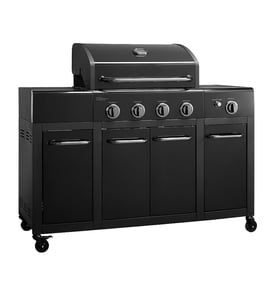



How to light a Kenmore grill?
To light your Kenmore Elite gas grill model 14630208510, open the lid, turn on the gas, then light the burner using the electronic igniter (or a match-light method if needed). This sequence helps prevent gas buildup and supports a quick, safe ignition.
Quick steps (electronic ignition)
- Open the grill lid before turning any burner knob.
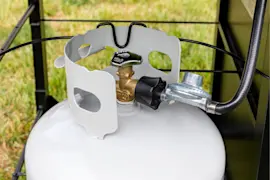
- Confirm the propane tank valve is fully open (or the natural gas supply valve is on).
- Push in and turn one main burner control knob to HIGH/IGNITE.
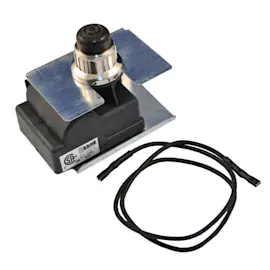
- Press the igniter button repeatedly until the burner lights.
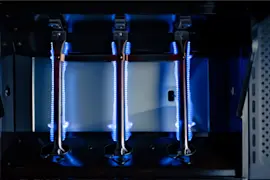
- Look through the cooking grate to verify a steady flame.
- Turn on additional burners one at a time after the first burner is lit.
If the igniter will not click or spark
A no-spark condition is usually a simple ignition or wiring issue.
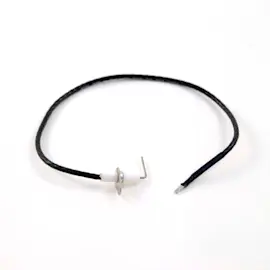
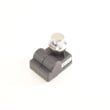
- Check that the igniter electrode tip is near the burner lighting area and not coated with grease.
- Inspect igniter wires for loose connections or damage; replace if needed.
- Make sure the grill has a solid ground connection; a damaged ground wire can prevent reliable sparking.
- If the button clicks but there is no ignition, shut everything off and wait 5 minutes before trying again.
Helpful parts for ignition-related issues on this model:
| Symptom | What to check | Example part for 14630208510 |
|---|---|---|
| No spark at all | Loose/broken igniter wiring | Gas grill igniter wire set 30800243 |
| Weak or inconsistent spark | Poor ground path | Gas grill ground wire 30800244 |
Match-lighting (backup method)
Use match-lighting only if your grill is designed for it.
- Open the lid.
- Turn the gas on.
- Place a lit match in the match holder and position it at the lighting hole/lighting area.
- Turn the burner knob to HIGH to ignite.
For the exact match-light location and lighting sequence for your grill, follow the 14630208510 owner's manual.
Why it matters
Lighting with the lid open and igniting one burner first reduces the chance of delayed ignition (a sudden flare when gas finally lights) and helps you confirm proper burner flame before cooking.
Last updated: January 2026
Is $50,000 btu good for a grill?
Yes; 50,000 BTU is a strong heat output for many gas grills, and it can be a great fit for the Kenmore Elite 14630208510 as long as the burner layout and cooking surface size match your cooking style. For best results, use the heat-up and preheat guidance in the 14630208510 owner's manual.
What 50,000 BTU usually means in real cooking
BTU is a measure of fuel energy, but grilling performance also depends on burner design, airflow, and how well the lid holds heat.
Common expectations with a properly working grill:
- Faster preheat and better recovery after you open the lid
- Stronger searing potential (especially over the hottest burner zones)
- More flexibility for two-zone cooking (direct and indirect heat)
- Higher propane use if you run all burners on high
Quick sizing guide (rule of thumb)
Use this as a practical way to judge whether 50,000 BTU is “too much” or “just right.”
| Grill size (typical) | Typical total BTU range | 50,000 BTU fit? |
|---|---|---|
| Small (portable, compact) | 20,000 to 30,000 | Often high |
| Medium (most family grills) | 30,000 to 50,000 | Excellent |
| Large (wide cookbox, more burners) | 50,000+ | Common |
If your grill feels too hot or not hot enough
These checks solve most “BTU” complaints without guessing.
- Preheat with the lid closed for 10 to 15 minutes
- Clean grease buildup that can restrict airflow and heat circulation
- Make sure burner ports are clear (spider webs and debris reduce flame)
- Confirm the propane tank valve is fully open
- Inspect wiring and ignition so burners light consistently; replace damaged leads with the gas grill igniter wire set 30800243 if needed
Why it matters
A higher BTU rating helps most when you need quick preheat, strong searing, and stable temps. If the grill is oversized for your needs, you may just run it at lower knob settings and use two-zone cooking more often.
Last updated: January 2026
What is the best grill under $500?
If you want the best grill under $500, choose based on how you cook most often: a 3-burner propane gas grill for everyday convenience, a charcoal kettle for classic smoke flavor, or a flat-top griddle for high-volume searing. Use the 14630208510 owner's manual to compare those features to what your current Kenmore Elite 14630208510 already does well.
Best choice by cooking style
- Most households: 3-burner propane gas grill (best balance of control and space)
- Best smoke flavor per dollar: kettle-style charcoal grill
- Best for burgers, breakfast, and batch cooking: flat-top gas griddle
- Small spaces: compact 2-burner gas grill
- Frequent hosting: 4-burner gas grill (more zones for indirect cooking)
What to compare (the under-$500 checklist)
Focus on features that affect real-world performance and long-term usability:
- Primary cooking area: enough room to avoid crowding food
- Heat control: ability to run low-and-slow and also sear hot
- Ignition design: consistent lighting and protected wiring
- Build materials: lid and firebox that hold heat well
- Parts support: burners, igniters, grates, and hardware should be replaceable
| Priority | What to look for | Why it matters |
|---|---|---|
| Even cooking | Multiple burners or a proven charcoal layout | Fewer hot spots and flare-ups |
| Easy starts | Reliable igniter system | Faster, safer lighting |
| Longevity | Replaceable wear parts | Keeps the grill usable longer |
If you already own a Kenmore Elite 14630208510
A new grill under $500 is a value-focused purchase; if your grill’s firebox and cabinet are in good shape, replacing common wear items is a practical way to improve day-to-day performance without changing grills.
Common maintenance parts that affect performance
- Gas grill igniter wire set 30800243 (helps restore consistent spark)
- Gas grill hardware pack 30800340 (replaces missing or rusted fasteners)
- Control panel 30800024A (restores the control area fit and finish)
Why it matters
Matching the grill type to your cooking style prevents common regrets like not enough space, weak searing, or unreliable ignition, which are the biggest pain points in the under-$500 range.
Last updated: January 2026