
What AC parts are most commonly replaced?
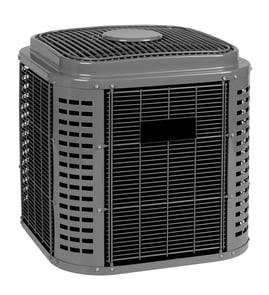
For the Coleman BRCS0301CB Evcon central air conditioner, the most commonly replaced parts are the electrical start components and airflow components (like capacitors, contactors, and fan motors), plus wear items in the control and power circuit. These parts fail more often than the sealed refrigerant system.
Most common replacement parts (and what they do)
- Run capacitor / start capacitor: helps the compressor and fan motor start and run.
- Contactor (relay): switches high voltage to the outdoor unit when the thermostat calls for cooling.
- Condenser fan motor: moves air through the outdoor coil to reject heat.
- Fan blade: can crack, loosen, or get out of balance and damage the motor.
- Transformer / low-voltage components: supports the 24-volt control circuit.
- Fuses / disconnect components: protect the circuit from shorts and overloads.
Less common, but higher-impact repairs
These parts are replaced less often, but they are bigger repairs when they fail.
| Part/system | How often it’s replaced | Why it’s a bigger deal |
|---|---|---|
| Compressor | Less common | Major labor and refrigerant handling required |
| Indoor evaporator coil | Less common | Can involve refrigerant work and system cleanup |
| Outdoor condenser coil | Less common | Often tied to corrosion or physical damage |
| Refrigerant (leak repair) | As needed | Requires leak finding, repair, evacuation, and recharge |
Quick checks before you buy parts
Turn off power at the disconnect and breaker before opening any panels.
- Confirm the thermostat is calling for cooling and the indoor blower is running.
- If the outdoor unit hums but won’t start, suspect a capacitor first.
- If nothing outside runs (no hum), suspect the contactor, fuse, or low-voltage power.
- If the fan runs but there’s no cooling, check for a dirty coil, restricted airflow, or a refrigerant issue.
- If you’re testing electrical parts, use a meter and follow safe procedures.
Why it matters
Replacing common electrical and airflow parts early can prevent repeat shutdowns, overheating, and secondary damage to the compressor. It also helps restore normal cooling performance and efficiency.
For help identifying the correct replacement parts by model number, use how to find your appliance model number (and what it means for parts).
Last updated: February 2026
What is the average cost of a new central air conditioner?
A new central air conditioner typically costs about $5,000 to $12,000 installed for most homes; higher-efficiency systems, larger tonnage, and ductwork or electrical upgrades can push the total higher. For a Coleman Evcon central air conditioner like model BRCS0301CB, the installed price depends mainly on capacity, SEER2 rating, and installation complexity.
Typical price ranges (what you’re paying for)
- Equipment only (outdoor condenser plus indoor coil): often $2,500 to $7,500
- Installed total (most common): often $5,000 to $12,000
- Higher-end installs: often $12,000 to $18,000+ (high SEER2, zoning, major duct changes)
What changes the price the most
- System size (tonnage): bigger homes need larger capacity
- Efficiency (SEER2): higher SEER2 usually costs more up front
- Ductwork condition: leaks, undersized returns, or no existing ducts add cost
- Electrical and pad work: disconnect, breaker, wiring, and condenser pad
- Refrigerant line set: replacement or flushing when changing systems
- Permits and labor rates: vary by region and season
Quick cost checklist before you buy
- Confirm your exact model and configuration using how to find your appliance model number (and what it means for parts).
- Compare SEER2 options and estimate payback based on your cooling season.
- Ask whether the quote includes new indoor coil, line set work, and duct sealing.
- Plan for a new thermostat if your current one is not compatible.
Cost comparison table
| Scenario | What’s included | Typical installed total |
|---|---|---|
| Basic replacement | Like-for-like swap, existing ducts OK | $5,000 to $9,000 |
| Mid-range upgrade | Better SEER2, some electrical or line set work | $8,000 to $12,000 |
| Complex install | Ductwork changes, zoning, major upgrades | $12,000 to $18,000+ |
Why it matters
Central AC pricing is driven as much by installation scope as by the condenser itself. Getting the right capacity and airflow protects comfort, humidity control, and compressor life, which is especially important for long-term reliability.
Last updated: February 2026
What is the average lifespan of a central air conditioning unit?
Most central air conditioning units last 15 to 20 years with normal use and regular maintenance. For a Coleman Evcon central air conditioner like model BRCS0301CB, reaching the upper end of that range depends on keeping airflow clean, electrical connections tight, and the refrigerant system leak-free.
Typical lifespan ranges (what to expect)
- 15 to 20 years: Most modern central AC systems
- 10 to 12 years: Units with heavy run time, poor maintenance, or harsh conditions
- 20+ years: Possible with excellent maintenance and mild operating conditions
| Condition | What it usually does to lifespan | Example |
|---|---|---|
| Regular maintenance | Extends life | Clean coils, change filters, clear debris |
| Restricted airflow | Shortens life | Dirty filter, blocked return vents |
| Electrical wear | Shortens life | Weak capacitor, pitted contactor |
| Refrigerant leaks | Shortens life | Low charge causing long run times |
Signs your central AC is near end of life
- Cooling takes longer than it used to (long run times)
- Frequent service calls for electrical or refrigerant issues
- Outdoor unit is louder than normal (fan motor or compressor strain)
- Rising energy bills with no change in thermostat settings
- Uneven cooling from room to room (airflow or duct issues)
Maintenance that most improves longevity
- Replace or clean the air filter on schedule (often every 1 to 3 months)
- Keep the outdoor condenser coil clear (leaves, grass clippings, lint)
- Maintain at least 2 feet of clearance around the outdoor unit
- Verify the indoor blower and evaporator coil stay clean
- Have a technician check refrigerant charge and electrical components seasonally
Why it matters
A central air conditioner that is maintained well runs cooler, cycles normally, and puts less stress on the compressor. That directly affects comfort, energy use, and how long your BRCS0301CB system stays reliable.
For general DIY safety and planning before any electrical checks, we recommend reviewing are diy appliance repairs safe.
Last updated: February 2026