



Which is better, .080 or .095 trimmer line?
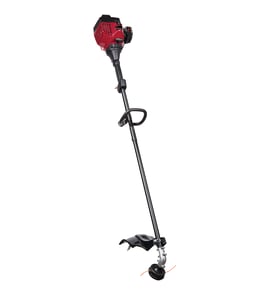
For the MTD 41ADZ20C791 gas line trimmer, .095-inch line is better for durability and cutting thicker weeds, while .080-inch line is better for lighter trimming and longer run time. The best choice is the thickest line your trimmer head feeds smoothly without bogging down.
Quick comparison
| Line size | Best for | Tradeoffs |
|---|---|---|
| .080 in | Light grass, edging, detail trimming | Breaks faster in heavy weeds; can wear quicker |
| .095 in | Thick weeds, fence lines, tougher growth | More drag; can reduce RPM and fuel efficiency |
How to choose for your yard
- Pick .080 if you mostly edge sidewalks, trim around landscaping, and want smoother feeding.
- Pick .095 if you regularly hit thick weeds, woody stems, or rough areas.
- If the head jams or the engine bogs with .095, step down to .080.
- If .080 keeps snapping, step up to .095.
- Use fresh, quality line and replace it when it gets brittle.
Tips to prevent line problems
- Keep the cutting head clean so line feeds freely.
- Avoid “sawing” into hard surfaces; let the line do the cutting.
- Don’t overfill the spool; tight wraps cause binding.
- If the trimmer runs rough or lacks power, tune it up before blaming the line.
Why it matters
Line diameter changes cutting load. A thicker line (.095) hits harder but demands more torque; a thinner line (.080) spins easier and is often better for precision work. If your trimmer is already struggling, addressing fuel and air issues can make either size perform better; start with how to tune up a grass line trimmer video.
Last updated: February 2026
What is the best gas trimmer on the market?
There is no single “best” gas trimmer for everyone; the right choice depends on your yard size, how often you trim, and whether you prefer a straight shaft or curved shaft. If you already own an MTD 41ADZ20C791, keeping it tuned and feeding line correctly often delivers the best real-world results for the money.
How we recommend choosing the best gas trimmer
- Shaft type: straight shaft reaches under shrubs and fences; curved shaft feels lighter for edging.
- Engine size: most homeowners do well with 21cc to 30cc; heavier brush needs more power.
- Cutting swath: 15 to 17 inches covers ground faster but can use more line.
- Feed system: bump feed is common and easy to use; fixed line heads are simple but slower to reload.
- Serviceability: easy access to the air filter, spark plug, and fuel system saves time.
Quick comparison: what “best” usually means
| Best for | What to look for | Typical tradeoff |
|---|---|---|
| Light trimming and edging | Curved shaft, smaller engine | Less reach, less torque |
| General yard work | 21cc to 30cc, bump feed | Moderate vibration/weight |
| Heavy weeds | Larger engine, straight shaft | More weight and fuel use |
If your current trimmer is underperforming
Before replacing your MTD 41ADZ20C791, these fixes solve most “not powerful enough” complaints:
- Replace a dirty air filter (common cause of bogging) using MTD line trimmer air filter 753-06417.
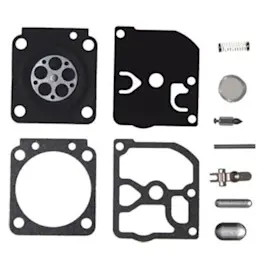
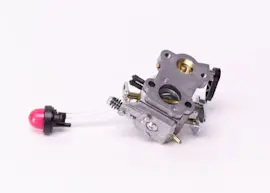
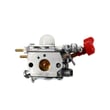
- If it runs rough or surges, clean or replace the carburetor using MTD line trimmer carburetor 753-06288.
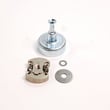
- If line won’t advance, inspect the head and knob using MTD line trimmer bump feed knob 731-09582-49.
- Refresh old fuel (stale fuel causes hard starting and poor acceleration).
- Check the muffler screen for carbon buildup if power drops at high throttle.
Why it matters
A “top-rated” trimmer can still feel like the wrong tool if the shaft style, power, and line head do not match your workload. In many cases, a basic tune-up and the right cutting line restore performance and cost far less than replacing the unit.
Last updated: February 2026
How long does a gas-powered string trimmer last?
A gas-powered string trimmer typically lasts 7 to 10 years with normal homeowner use and basic maintenance. For the MTD 41ADZ20C791 gas line trimmer, lifespan depends most on fuel quality, air filtration, and keeping the carburetor and cutting head in good working order.
Typical lifespan by use
- Light use (occasional edging): 10 years
- Regular homeowner use (weekly in season): 7 to 10 years
- Heavy use (large property, long run times): 5 to 7 years
What shortens lifespan fastest
- Running old fuel or incorrect 2-cycle mix (leads to hard starting and scoring)
- Dirty or damaged air filter (causes rich/lean running and faster wear)
- Overheating from clogged cooling fins or running at wide-open throttle with restricted airflow
- Cutting head impacts (bent shaft, damaged guard, worn spool components)
- Storing with fuel in the tank and carburetor (varnish buildup)
Maintenance that adds years
Use this as a simple schedule:
| Task | How often | Why it matters |
|---|---|---|
| Replace/clean air filter | Every season (or sooner in dust) | Protects the engine from abrasive dirt |
| Inspect fuel system for leaks | Monthly in season | Prevents air leaks and fuel starvation |
| Tune-up and cleaning | Each season | Keeps starting and power consistent |
| Check cutting head wear | As needed | Prevents vibration and driveline damage |
For a quick seasonal routine, follow our grass line trimmer maintenance checklist.
When replacement parts make sense
If the engine still has good compression and the trimmer starts reliably, replacing common wear items is usually the best way to extend life:
- If it runs rough or won’t stay running, the MTD line trimmer carburetor 753-06288 is a common fix point.
- If it bogs down or surges, replace the MTD line trimmer air filter 753-06417 and re-check fuel quality.
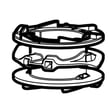
- If line feed is inconsistent, inspect the spool and bump knob for wear.
Why it matters
A trimmer that is maintained runs cooler, starts easier, and vibrates less. That reduces stress on the engine, drive shaft, and cutting head, which is what determines whether you get 5 years or 10 years out of a gas line trimmer.
Last updated: February 2026