


What is the most expensive part to fix on a furnace?
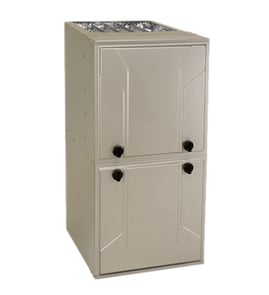
The most expensive furnace repair is typically the heat exchanger because it is a major sealed combustion component and the labor is extensive. On an Icp gas furnace like model GNJ100N12A1, other high-cost repairs often involve the blower assembly and major electrical controls.
Typical “most expensive” furnace repairs (and why)
These are the repairs that usually drive the highest total bill (parts plus labor):
- Heat exchanger: highest cost due to major disassembly and safety-critical operation
- Blower motor or blower assembly: high part cost and time to access, especially if the wheel is damaged
- Control board: diagnostic time plus an expensive electronic part
- Inducer motor assembly: can be costly and may require venting and pressure-switch checks
- Gas valve: less common, but can be expensive and requires careful setup and testing
What this means for Icp GNJ100N12A1 parts
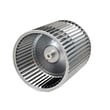
For this model, one of the pricier common replacement parts on our parts list is the blower wheel. If your furnace is noisy, vibrating, or moving less air, the wheel can be part of the problem.
- Model-specific example: furnace blower fan wheel 601210
- Safety-related example: a tripping high-limit condition can sometimes point to airflow problems, overheating, or a failing safety device such as a limit switch (the switch itself is usually not the most expensive repair): limit switch 1013102
Quick cost comparison (typical ranges)
Actual totals vary by region and access, but these ranges help set expectations.
| Repair type | Typical total cost driver | Typical cost range (parts + labor) |
|---|---|---|
| Heat exchanger | Highest labor + major component | $1,000 to $3,500+ |
| Blower motor/assembly | Expensive parts + labor | $400 to $1,500+ |
| Control board | Electronics + diagnostics | $300 to $1,500+ |
| Inducer motor | Part + setup checks | $300 to $1,200+ |
| Gas valve | Part + combustion checks | $200 to $1,000+ |
Why it matters
The “most expensive part” is usually expensive because it combines a high-cost component with time-consuming work and safety verification. If you are comparing repair versus replacement, identifying whether the issue is a major component (heat exchanger, blower, controls) helps you make a faster, more informed decision.
Last updated: February 2026
What are the most common furnace repairs?
The most common repairs on an Icp gas furnace like model GNJ100N12A1 are airflow and safety-related issues: replacing a dirty filter, fixing thermostat or power problems, cleaning a flame sensor, and addressing blower or limit-switch faults that cause short cycling or shutdowns. Using the correct replacement parts (such as the limit switch 1013102) helps restore safe, consistent heat.
Common repairs we see most often
- Replace a clogged air filter (restricted airflow can overheat the furnace and trip safeties).
- Clean the flame sensor (a dirty sensor can cause the burners to light, then shut off).
- Fix ignition problems (hot surface igniter or pilot-related issues, depending on design).
- Diagnose blower problems (weak airflow, noisy operation, or no air movement).
- Resolve safety switch trips (limit switch, pressure switch, rollout switch).
- Repair wiring or connections (loose spade terminals, damaged wires, poor grounding).
Parts on this model that often relate to these symptoms
| Symptom | Common cause | Example part on GNJ100N12A1 |
|---|---|---|
| Furnace starts then shuts off | Overheat condition or safety trip | Limit switch 1013102 |
| Blower runs but airflow is weak/noisy | Worn or damaged blower wheel | Furnace blower fan wheel 601210 |
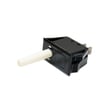
| Intermittent operation | Faulty control/safety switch | Switch (ID 611872) |
Quick checks before replacing parts
- Turn off power at the furnace switch or breaker before opening panels.
- Confirm the thermostat is calling for heat (set temperature above room temp).
- Check the filter and return vents for blockage.
- Look for a blinking diagnostic light on the control board (if equipped).
- Inspect wiring for burnt connectors or loose plugs; use a safe test method like in how to use a multimeter to test electrical parts video.
Why it matters
Many “no-heat” calls are caused by airflow restrictions or a safety device doing its job. Fixing the root cause (filter, blower airflow, wiring) prevents repeat shutdowns and helps protect the heat exchanger and controls.
Last updated: February 2026
What is the most common part to fail on a furnace?
The most common furnace “failure” is actually restricted airflow from a dirty air filter, which overheats the furnace and trips a safety shutdown. On an Icp gas furnace like model GNJ100N12A1, the most commonly replaced parts during no-heat events are safety switches (especially the limit switch) and ignition-related components.
Most common causes (in order)
- Clogged air filter or blocked return vents: causes overheating and repeated shutdowns.
- Tripped temperature limit switch: the furnace shuts off to prevent overheating (a common symptom is burners shutting off quickly while the blower keeps running).
- Thermostat or low-voltage control issue: dead batteries, loose wiring, or incorrect settings.
- Ignition/sensing issue: dirty flame sensor or ignition failure (often shows up as short cycling or no flame).
- Power interruption: tripped breaker, blown fuse, or loose electrical connection.
Parts on this model that commonly get replaced
If your GNJ100N12A1 is overheating or shutting down on safety, start by checking airflow first, then test the safety circuit.
| Symptom you see | Common culprit | Example part on this model |
|---|---|---|
| Burners start then shut off quickly | Overheat condition, limit opening | Limit switch 1013102 |
| Blower runs but heat is inconsistent | Airflow restriction, blower wheel issues | Furnace blower fan wheel 601210 |
| Furnace will not run or behaves intermittently | Control/safety switch issue | Switch 611872 |
Quick checks we recommend before replacing parts
- Replace the air filter and make sure it is installed in the correct direction.
- Open all supply registers and confirm return grilles are not blocked.
- Turn off power, inspect wiring for loose spade connectors and heat damage.
- If you have a multimeter, verify the limit and switch circuits open and close correctly.
- If overheating continues, check for a dirty blower wheel or restricted ductwork.
Why it matters
Airflow problems can mimic “bad parts” because the furnace is designed to shut down on purpose when it overheats. Fixing the airflow issue first prevents repeat limit trips and helps protect the heat exchanger and blower system.
Last updated: February 2026
Is it worth fixing a 20 year old furnace?
For an Icp GNJ100N12A1 gas furnace that is around 20 years old, it’s usually worth fixing only when the problem is small and the repair is straightforward; for repeated breakdowns or major component failures, replacement is the better long-term value because efficiency, reliability, and comfort typically improve.
Quick decision checklist
- Fix it when the furnace has been reliable and the issue is isolated (for example, a safety switch or minor electrical problem).
- Replace it when you have frequent service calls, uneven heat, or rising operating costs.
- Replace it when the repair involves major components (heat exchanger, inducer, control board, or gas valve).
- Fix it when the repair restores safe operation and airflow (for example, a failed limit switch).
- Replace it when repair costs are approaching 50% of the installed cost of a new furnace.
Common “worth fixing” repairs on this model
These are examples of parts on our GNJ100N12A1 parts list that often solve a single, clear symptom.
| Symptom you notice | Common cause | Example part on this model |
|---|---|---|
| Furnace starts then shuts off quickly | Overheat protection opening | Limit switch 1013102 |
| Intermittent operation tied to a door/panel or safety circuit | Safety/interlock switch issue | Switch 611872 |
| Rattling, vibration, weak airflow (with a good motor) | Worn blower wheel | Furnace blower fan wheel 601210 |
Why it matters (cost, comfort, and safety)
At 20 years old, a gas furnace is at the point where age-related wear (heat stress, corrosion, and electrical fatigue) makes unexpected downtime more likely. Even if one repair gets you running today, repeated failures can turn into higher total cost and more cold-weather risk.
Before you spend money: 5 practical checks
- Replace the air filter and confirm supply/return vents are open.
- Verify the thermostat is calling for heat and has stable power.
- Check for blinking fault codes on the control board door label (if present).
- Inspect the blower compartment for dust buildup and loose wiring.
- If you’re testing electrical parts, use a meter correctly and safely; see how to use a multimeter to test electrical parts video.
Last updated: February 2026