Owner’s manual
 View engine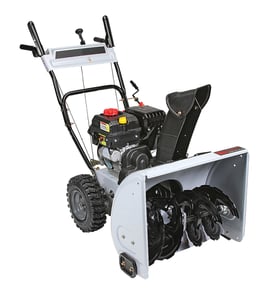


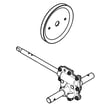

Is a 3 stage snow blower better than a 2 stage?
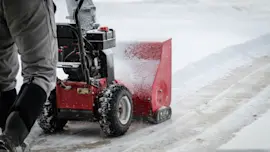
A 3-stage snow blower is better than a 2-stage when you regularly face deep, heavy, or icy snow because it moves snow faster and reduces clogging; for typical storms and normal driveway use, a 2-stage usually gives the best value and simpler upkeep. For operating tips specific to Poulan model PR270A-96192009600, use the PR270A-96192009600 owner's manual.
Quick comparison: 2-stage vs 3-stage
| Feature | 2-stage snow blower | 3-stage snow blower |
|---|---|---|
| Best for | Most driveways, moderate to heavy snow | Deep drifts, wet snow, packed or icy snow |
| Snow intake | Auger feeds impeller | Auger plus accelerator feeds impeller faster |
| Clearing speed | Strong | Faster in tough conditions |
| Complexity | Lower | Higher |
| Maintenance | Typically easier | Typically more moving parts to service |
How to decide what is “better” for your driveway
- If you get frequent heavy, wet snow or end-of-driveway plow berms, 3-stage performance is a real advantage.
- If your snow is usually under about 8 to 12 inches per storm, a 2-stage is typically plenty.
- If storage space and maneuverability matter, 2-stage machines are often easier to handle.
- If you want fewer parts to maintain (belts, pulleys, linkages), 2-stage is usually simpler.
- If you clear large areas quickly, 3-stage can save time during big events.
What changes for maintenance and parts
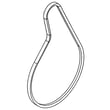
Both designs rely on wear items like belts, skid shoes, and scraper bars. On PR270A-96192009600, common service parts include the snowblower auger drive belt 501818201 and the snowblower drive belt, 38.2-in 584216102. Keeping belt tension correct and replacing cracked or glazed belts helps prevent slipping and poor throwing distance.
Why it matters
Choosing the right stage design affects clearing time, how well the machine handles slush and plow-packed snow, and how much routine maintenance you will do each season (especially belt and chute system upkeep).
Last updated: January 2026
What month do snow blowers go on sale?
Snow blowers most often go on sale in September and October (early-season promos) and again in February and March (end-of-season clearance). For your Poulan PR270A-96192009600 gas snow blower, early fall usually gives the best selection; late winter usually gives the lowest prices.
Best months to shop (and what to expect)
- September to October: early discounts, widest selection, best chance to get the exact size and features you want.
- November (Black Friday): strong deals, but popular models can sell out quickly.
- December to January: fewer discounts; demand is high after the first big storms.
- February to March: clearance pricing; selection is limited and parts bundles may be picked over.
- August (late summer): occasional markdowns on leftover inventory from the prior season.
Quick comparison by month
| Time of year | Typical deal level | Selection | Best for |
|---|---|---|---|
| Sep to Oct | Good | High | Buying the right model before snow hits |
| Nov | Good to great | Medium | Holiday promos if you can buy fast |
| Dec to Jan | Low to medium | Medium to low | Replacing a unit mid-season |
| Feb to Mar | Best | Low | Lowest price if you can accept limited choices |
Why it matters
Buying earlier helps you avoid storm-driven shortages and gives you time to assemble, fuel, and test-run the machine. Buying later can save money, but you may have fewer options for engine size, chute controls, and tire style.
Before you buy or tune up for the season
- Confirm the exact model number on the ID tag so you get the right parts and specs.
- Review fuel, starting, and maintenance steps in the PR270A-96192009600 owner's manual.
- If you are refreshing wear items, common seasonal replacements include belts and chute hardware.
- Keep a spare shear pin set and basic hand tools on hand for mid-storm fixes.
Last updated: January 2026
What is the life expectancy of a snowblower?
Most gas snow blowers, including the Poulan PR270A-96192009600, last 15 to 20 years with normal residential use and consistent maintenance. In heavy use or with skipped upkeep, lifespan commonly drops closer to 10 to 15 years.
What affects lifespan the most
- Off-season storage: draining fuel or using stabilizer prevents carburetor varnish
- Oil changes: clean oil reduces engine wear
- Belt condition and adjustment: worn belts slip and overheat
- Auger/gearcase health: impacts how well the machine handles packed snow
- Corrosion control: salt and wet storage shorten life fast
For model-specific maintenance intervals and storage steps, follow the PR270A-96192009600 owner's manual.
Typical lifespan by snowblower type
| Snowblower type | Typical life expectancy | Notes |
|---|---|---|
| Gas, 2-stage | 15 to 20 years | Longest life when fuel system is protected in storage |
| Gas, single-stage | 10 to 15 years | More wear when used in heavy, wet snow |
| Electric corded | 10 to 15 years | Motor can last; switches and cords are common wear items |
| Battery | 8 to 12 years | Tool can last; battery packs often need replacement sooner |
Maintenance that extends life (high impact)
- Change engine oil at least once per season (more often with heavy use)
- Use fresh fuel; add stabilizer for storage longer than 30 days
- Inspect belts each season; replace if glazed, cracked, or stretched
- Keep the scraper bar and skid shoes adjusted so the housing does not grind the pavement
- After each use, clear packed snow and let the machine dry before storing
If you are chasing drive or auger performance issues that shorten lifespan, a worn belt is a common cause; the PR270A-96192009600 uses parts such as the snowblower drive belt, 38.2-in 584216102 and the snowblower auger drive belt 501818201.
Why it matters
A snowblower usually fails early from preventable issues (stale fuel, belt slip, rusted controls). A few seasonal checks protect the engine, drive system, and auger gearbox so the machine stays reliable when you need it most.
Last updated: January 2026