

Are all garbage disposals universal fit?
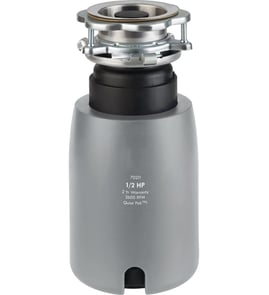
Most garbage disposals are not a universal fit. Many units (including typical Kenmore-style disposals like model 17561090) mount to a standard sink drain opening, but the mounting hardware, discharge outlet position, electrical hookup, and overall size can vary enough that a “same-day swap” is not always possible.
What is usually “standard” vs what varies
Most kitchen sinks use a common drain opening size, so the sink connection is often the easiest part. Fit problems usually come from what’s under the sink.
- Sink opening: commonly designed around a standard drain opening
- Mounting system: 3-bolt mount vs proprietary mount styles
- Discharge outlet height and direction: can change where the drain pipe must line up
- Dishwasher inlet: some disposals include it, some do not (or it’s positioned differently)
- Electrical: corded plug-in vs hardwired, and where the junction box sits
- Body size: can interfere with the trap, shutoff valves, or cabinet floor
Quick fit check before you buy
Use this checklist to avoid ordering a disposal that will not line up with your plumbing.
- Measure the vertical clearance from sink bottom to cabinet floor
- Note the centerline height of the drain pipe in the wall
- Confirm whether you need a dishwasher connection
- Check if your current unit is plug-in or hardwired
- Look at the mount type currently on the sink (and whether you want to replace it)
Compatibility snapshot
| Fit item | Often compatible across brands | Common reason it’s not |
|---|---|---|
| Sink drain opening | Yes | Unusual sink or specialty flange/mount |
| Mounting ring/bracket | Sometimes | Different mount design requires swapping hardware |
| Drain outlet alignment | No | Outlet sits higher/lower or points differently |
| Electrical connection | Sometimes | Hardwire vs cord, junction box location |
Why it matters
A disposal that “almost fits” can force drain rework, create leaks at the slip joints, or leave the unit sitting too low and vibrating against plumbing. Matching mount style and outlet alignment saves time and prevents repeat clogs and leaks.
For model-number accuracy when ordering, use our guide: how to find your appliance model number (and what it means for parts).
Last updated: February 2026
What is the average lifespan of a garbage disposal?
Most garbage disposals last 8 to 15 years, and the typical average is about 10 to 12 years. For a Kenmore garbage disposal like model 17561090, lifespan depends most on what you grind, how often you run it, and how well you keep the grinding chamber clean.
What affects lifespan the most
- What goes in: fibrous foods, bones, and grease shorten life
- How it’s used: frequent heavy loads wear the motor and grind components faster
- Water flow: running plenty of cold water reduces jams and overheating
- Corrosion: standing water and harsh chemicals can accelerate internal rusting
- Installation condition: loose mounting, leaks, or vibration can damage seals and bearings
Good habits that help a disposal last longer
- Run cold water before, during, and 10 to 20 seconds after grinding
- Feed scraps gradually, not all at once
- Avoid fats, oils, grease, and starchy pastes (like potato peels in large amounts)
- Grind small citrus peels occasionally to reduce odors
- If performance drops, check power and basic electrical health using how to tell if a fuse is blown
Replace vs. repair: quick decision guide
| Symptom | What it usually means | What to do next |
|---|---|---|
| Hums but won’t grind | Jammed impeller or failed start components | Clear jam; if it repeats, plan replacement |
| Frequent resets/trips | Motor overheating, wiring issue, or failing motor | Inspect wiring and load; consider replacement |
| Leaks from the body | Housing or seal failure | Replace the disposal |
| Loud metal-on-metal noise | Internal damage | Replace the disposal |
Why it matters
A worn disposal can start tripping breakers, leaking under the sink, or grinding poorly, which increases clogs and odor. Knowing the typical 10 to 12-year average helps you decide when ongoing issues are normal wear versus a one-time jam.
Last updated: February 2026
Is it cheaper to repair or replace a garbage disposal?
For a Kenmore garbage disposal model 17561090, it’s usually cheaper to repair when the problem is minor (a jam, a reset trip, or a loose connection). Replacement is typically the better value when the unit is older (about 8 to 10 years) or has a leak, repeated failures, or motor burnout.
Quick decision guide
- Repair if it’s humming but not grinding (often a jam) or it stopped suddenly (often overload/reset)
- Replace if it’s leaking from the housing, cracked, or rusted through
- Replace if it needs frequent resets, trips the breaker, or smells like burnt wiring
- Repair if the issue is external (loose drain connection, bad switch, wiring issue)
- Replace if repair cost approaches the price of a new disposal (especially with labor)
Typical cost comparison (U.S.)
Costs vary by area and access under the sink, but these ranges are common.
| Option | What you’re paying for | Typical total cost |
|---|---|---|
| DIY minor fix | Clearing jam, pressing reset, tightening fittings | Low (often $0 to $30 in supplies) |
| Professional repair | Diagnosis plus small electrical/plumbing correction | Moderate (often $70 to $250) |
| Replacement installed | New disposal plus labor and possible fittings | Higher (often $250 to $600+) |
Why leaks usually mean replacement
A disposal can leak from different places, and the fix depends on the source:
- Sink flange or mounting ring leak: often reseal or re-mount
- Dishwasher inlet leak: often tighten clamp or replace hose
- Discharge tube leak: often replace gasket or tighten bolts
- Housing leak (body seam, corrosion, cracks): replacement is the lasting fix
Why it matters
A failing disposal can cause cabinet water damage, nuisance breaker trips, and slow draining. Choosing repair for a simple jam or connection issue saves money, but replacing a worn or leaking unit prevents repeat service calls.
Helpful DIY reading
If you’re comparing options or planning a DIY fix, start with how to find your appliance model number (and what it means for parts) so you’re matching parts and replacements correctly.
Last updated: February 2026
Why don't plumbers like garbage disposals?
Plumbers often dislike garbage disposals because they increase the chances of clogs, jams, and leaks when they are used like a trash can. With a Kenmore 17561090 garbage disposal, the unit and the drain line stay more reliable when only small, soft scraps go in and plenty of cold water is used.
What typically causes the problems
Most service calls trace back to a few repeat issues:
- Grease, fats, and oils that cool and coat the drain pipe
- Starches (rice, pasta, potato peels) that swell and turn paste-like
- Fibrous foods (celery, corn husks, onion skins) that wrap and stall the impeller
- Hard items (bones, fruit pits) that jam the grinding components
- Overloading the chamber, which can trip the reset or overheat the motor
Better habits that plumbers approve of
These habits reduce clogs and extend disposal life:
- Run cold water before, during, and 10 to 20 seconds after grinding
- Feed scraps slowly; do not dump a full plate at once
- Put stringy and starchy waste in the trash instead of the disposal
- Avoid pouring grease into the sink; wipe pans first
- If you have a dishwasher connection, keep the dishwasher drain path clear
Quick “OK vs not OK” guide
| Food type | Usually OK in small amounts | Best to avoid |
|---|---|---|
| Soft scraps | Yes | No |
| Grease/oil | No | Yes |
| Rice/pasta/potato peels | No | Yes |
| Fibrous peels/stalks | No | Yes |
| Bones/pits | No | Yes |
Why it matters
A disposal can grind food smaller, but it does not make it disappear. The real risk is what happens downstream: paste-like starch and congealed grease can narrow the drain line, and fibrous material can snag and build a blockage that turns into a bigger plumbing repair.
When it is time to troubleshoot instead of keep running it
If your Kenmore 17561090 hums, drains slowly, or trips the reset repeatedly, stop using it and troubleshoot the power and wiring first. Our DIY guide how to tell if a fuse is blown also helps when the disposal seems completely dead.
Last updated: February 2026