






Are electric chainsaws worth buying?
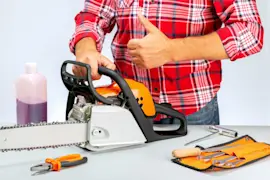
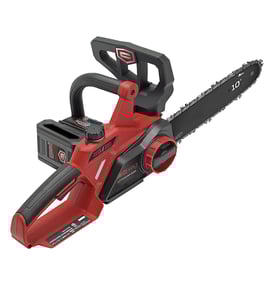
Yes; for most homeowners, an electric chainsaw like the Craftsman 358351151 is worth buying because it starts easily, runs quieter than gas, and needs less routine maintenance (no fuel mixing, no carburetor tuning). It is best for light to medium cutting such as limbs, storm cleanup, and firewood rounds.
When an electric chainsaw is the better choice
- You want quick, reliable starts and simple operation
- You cut occasionally (yard cleanup, pruning, small trees)
- You prefer lower noise and no exhaust fumes
- You want less upkeep (mainly chain sharpening, bar oil, and basic cleaning)
- You have easy access to power (corded) or you already own compatible batteries (battery models)
When a gas chainsaw is usually the better fit
Electric models can be limiting if you need long run time or maximum cutting power.
- Frequent, all-day cutting (felling and bucking large hardwood)
- Remote work where power is not available
- Heavy-duty use where higher sustained torque matters
What “worth it” looks like in real use
| What you care about | Electric chainsaw | Gas chainsaw |
|---|---|---|
| Starting | Push-button or trigger start | Pull-start; more variables |
| Maintenance | Lower (chain, bar oil, cleaning) | Higher (fuel system, tune-ups) |
| Noise and fumes | Lower noise, no exhaust | Louder, exhaust present |
| Best use | Light to medium cutting | Medium to heavy cutting |
Parts that affect performance the most
If your saw cuts slowly, pulls to one side, or throws chips poorly, the cutting system is usually the first place we look.
- Chain condition and sharpness (dull cutters make the saw feel “weak”)
- Correct chain tension (too tight overheats; too loose can derail)
- Bar condition (worn rails cause crooked cuts)
- Bar and chain oiling (dry cutting accelerates wear)
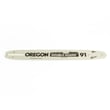
For common wear items, match parts to your Craftsman 358351151 cutting setup, such as the chain 91PX052G and bar 140SDEA041.
Why it matters
Choosing the right power type helps you cut safer and faster; an electric chainsaw is often the most practical option for homeowners because it reduces hassle while still handling typical yard work.
Last updated: February 2026
How big of a tree can an electric chainsaw cut?
An electric chainsaw can cut a tree up to about the same diameter as its guide bar length; for example, a 14-inch bar typically handles about 10 to 12-inch trunks efficiently, and larger diameters require cutting from multiple sides. For Craftsman model 358351151, match tree size to your bar and chain condition.
What actually limits the cut size
- Guide bar length: sets your maximum reach into the wood.
- Chain sharpness: a dull chain dramatically reduces cutting ability.
- Wood type and moisture: dry hardwood cuts slower than green softwood.
- Cutting technique: pinching and binding limit progress more than power.
- Bar and chain condition: worn rails or damaged cutters reduce control.
Practical rule of thumb
| Guide bar length | Efficient trunk diameter | Larger cuts (possible with technique) |
|---|---|---|
| 10 to 12 in | 6 to 10 in | 10 to 16 in (multi-side cuts) |
| 14 in | 10 to 12 in | 12 to 20 in (multi-side cuts) |
| 16 in | 12 to 14 in | 14 to 24 in (multi-side cuts) |
How to get the most cutting capacity safely
- Keep the chain sharp and correctly tensioned; replace it when it won’t hold an edge (use a compatible option like chain 91PX052G if it matches your setup).
- Replace a worn or bent guide bar to keep cuts straight and reduce binding (see bar 140SDEA041).
- Let the saw cut at its own pace; forcing the cut increases heat and binding.
- Plan for pinch points; use wedges when needed to keep the kerf open.
- Follow proven safety practices, especially for larger diameter cuts (see how to prevent chainsaw injuries).
Why it matters
Cutting beyond the bar’s efficient range increases binding and kickback risk and puts extra load on the motor. Keeping the bar and chain in top condition is what makes an electric chainsaw perform its best.
Last updated: February 2026
What is the HS code for electric chainsaw?
For an electric chainsaw (including the Craftsman 358351151), the commonly used Harmonized System classification is HS 8467.22 for electric hand tools with a self-contained electric motor (which includes chainsaws). Always confirm the exact code with your shipper or customs broker for your destination country.
Common HS code options you may see
Different countries can add extra digits beyond the 6-digit HS level. Start with the 6-digit HS code, then match the country-specific extension.
- 8467.22: Electric hand tools with self-contained electric motor (commonly used for electric chainsaws)
- 8467.29: Other electric hand tools (used when a country’s tariff schedule separates chainsaws differently)
- 8467.81: Chain saws (often used for non-electric classifications in some tariff schedules)
Quick reference table
| What you are shipping | Typical HS heading | Notes |
|---|---|---|
| Corded electric chainsaw | 8467.22 | Most common starting point for electric chainsaws |
| Electric tool not clearly identified as a chainsaw | 8467.29 | Used when documentation is vague |
| Chainsaw classified by “chainsaws” subheading | 8467.81 | Some schedules emphasize tool type over power source |
What to provide to classify it correctly
Having clear product details reduces delays and reclassification.
- Product description: “corded electric chainsaw”
- Brand and model: Craftsman 358351151
- Power source: electric (corded)
- Bar/chain size (if requested): many homeowner saws are 14-inch class
- Parts or accessories included (bar, chain, scabbard)
Why it matters
The HS code drives duty rate, import restrictions, and how the shipment is reported in trade statistics. Using the right code up front helps avoid holds, extra fees, and paperwork corrections.
Related parts that help identify the item
If you need to document what is included with the saw, these common components can support the description:
Last updated: February 2026
What is the difference between 40v and 80v chainsaws?
An 80V chainsaw system typically delivers more cutting power and maintains chain speed better under load than a 40V system, so it’s better for thicker limbs and longer cutting sessions. A 40V system is usually lighter and well-suited for routine homeowner trimming.
What “40V vs 80V” changes in real use
- Power under load: 80V setups bog down less in dense wood.
- Cutting pace: higher voltage platforms often keep chain speed steadier.
- Runtime approach: 80V tools commonly use higher-capacity battery packs; 40V can still run well with larger Ah packs.
- Tool weight: 40V saws are often easier to handle for overhead limbing.
- Best fit: 40V for light to medium yard work; 80V for frequent cutting and larger diameter wood.
Quick comparison
| Feature | 40V chainsaw | 80V chainsaw |
|---|---|---|
| Typical use | Trimming, small trees, storm cleanup | Larger limbs, heavier cutting, longer sessions |
| Handling | Lighter, less fatigue | Heavier, more stable in tough cuts |
| Performance | Good for homeowner tasks | Stronger torque and sustained chain speed |
Why it matters for your Craftsman model 358351151
Your Craftsman 358351151 is an electric (corded) chainsaw, so “40V vs 80V” does not apply directly to this model. For performance on this saw, the biggest factors are a sharp chain, correct chain tension, and a straight bar.
Parts that most affect cutting performance
If your saw is cutting slowly or pulling to one side, these are the first items we check and replace as needed:
- Chain 91PX052G (dull cutters, damaged drive links, wrong pitch/gauge for the bar)
- Bar 140SDEA041 (bent rails, uneven wear, pinched groove)
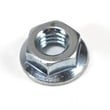
- Properly secured hardware such as lawn & garden equipment flange nut 530015251
Safety note
More power (whether higher-voltage cordless or corded electric) increases kickback risk if the chain is dull or the depth gauges are off. We follow the same basics every time: sharp chain, correct tension, firm two-hand grip, and safe cutting position. For more safety fundamentals, use how to prevent chainsaw injuries.
Last updated: February 2026