Installation guide
 Owner’s manual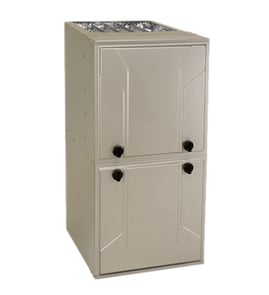



What is the normal operation of a furnace?
Normal operation for the Icp gas furnace model N9MSB0801716A1 is a thermostat call for heat, an ignition sequence to light the burners and heat the heat exchanger, then the blower moving warmed air through your ducts until the thermostat is satisfied and the furnace shuts off. See the owner's manual for the exact sequence and timing.
Normal heating cycle (what you should see)
- Thermostat calls for heat when room temperature drops below the setpoint.
- Furnace starts its ignition sequence and lights the burners.
- Heat exchanger warms up.
- Blower starts after a short delay and pushes warm air through the supply ducts.
- Furnace shuts burners off when the thermostat setpoint is reached.
- Blower may run briefly after the burners shut off to move remaining heat.
Fan settings: AUTO vs ON
Many thermostats offer two fan modes; here is what they mean in normal operation:
| Thermostat fan setting | What the blower does | What you may notice |
|---|---|---|
| AUTO | Cycles on and off with heating calls | Quieter between cycles; normal start/stop behavior |
| ON | Runs continuously (except a short delay at the start of a heat call) | More even temperatures; continuous air filtering |
Normal operating conditions to maintain
These basics help the furnace run safely and efficiently:
- Use a thermostat; do not run the furnace without thermostatic control.
- Keep return air temperature in the normal range (typically about 55°F to 80°F during certain operating conditions; many systems are designed around a minimum continuous return-air temperature around 60°F).
- Keep filters clean and installed correctly.
- Keep supply and return vents open and unobstructed.
- Make sure combustion air and venting are installed correctly (per the installation guide).
Why it matters
A furnace that follows a consistent ignition, heating, and blower cycle is less likely to trip safety limits, short-cycle, or lock out. Stable airflow and return-air temperature also protect key components like the control board, igniter, and limit switches.
Last updated: February 2026
How does a furnace call for heat?
On the Icp gas furnace model N9MSB0801716A1, a “call for heat” starts when the thermostat is set to HEAT and the room temperature drops below the setpoint; the furnace then starts the inducer, heats the igniter, opens the gas valve, lights the burners, and finally turns on the blower after a short delay (see the owner's manual).
What happens during a call for heat (typical sequence)
- Thermostat closes the heat circuit (signals the control board).
- Draft inducer motor starts to establish proper combustion airflow.
- Hot surface igniter energizes and glows.
- Gas valve opens; burners ignite.
- Heat exchanger warms.
- Blower starts after a timed delay (commonly about 25 to 60 seconds after ignition).
Normal timing and what you should notice
| Step | What you may hear/see | Typical timing |
|---|---|---|
| Inducer starts | Small motor/fan sound | Immediately after call |
| Igniter heats | Orange glow at igniter | Before gas opens |
| Burners light | “Whoosh” and steady flame | About 17 seconds after igniter starts |
| Blower turns on | Airflow at registers | About 25 to 60 seconds after ignition |
If the furnace calls for heat but does not light
- Confirm the thermostat is in HEAT and set above room temperature.
- Make sure the external manual gas valve is open.
- Check that the furnace door is fully closed (door switch must be engaged).
- If ignition fails, the control typically retries multiple times before locking out.
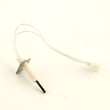
- If you suspect an igniter problem, the furnace burner igniter 1176919 is a common no-heat part.
Why it matters
Knowing the call-for-heat sequence helps you pinpoint where the process stops (inducer, igniter, gas, flame, or blower). That makes troubleshooting faster and helps you choose the right repair part, such as an igniter, control board, or limit switch.
Last updated: February 2026
What is the first step of operation in a gas furnace when heat is called for?
In the Icp gas furnace model N9MSB0801716A1, the first step after the thermostat calls for heat is that the combustion air draft inducer motor starts; then the hot surface igniter energizes and glows to prepare for burner ignition. See the sequence in the owner's manual.
What happens next (typical ignition sequence)
After the inducer starts, the furnace follows a timed sequence to light the burners and then start the blower.
- Draft inducer motor starts (pre-purge and establishes draft)
- Hot surface igniter energizes and glows orange
- Gas valve opens and burners ignite (about 17 seconds after the call for heat)
- Heat exchanger warms up
- Circulating blower turns on after a delay (about 25 to 60 seconds)
Quick timeline (what you should observe)
| Step | What you may notice | Typical timing |
|---|---|---|
| 1 | Inducer motor starts (a small fan sound) | Immediately |
| 2 | Igniter heats (often not visible) | Right after inducer |
| 3 | Burners light | About 17 seconds |
| 4 | Main blower starts | About 25 to 60 seconds |
If the furnace does not light
If the burners do not ignite, the control typically retries ignition cycles and can go into lockout. Use these safe checks first.
- Set the thermostat to OFF and lower the setpoint
- Wait several minutes before trying again (follow the door label instructions)
- Make sure the furnace door is fully seated (a door switch can prevent operation)
- Check that the air filter is clean and installed
- If you suspect an electrical issue, test safely with guidance from how to use a multimeter to test electrical parts video
Why it matters
That inducer-first sequence is a safety and performance step; it establishes proper draft and prepares ignition so the gas valve opens only when conditions are correct. If the inducer or igniter fails, the furnace will not heat.
Last updated: February 2026
How to fix furnace pressure switch stuck open?
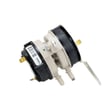
On the Icp gas furnace model N9MSB0801716A1, a “pressure switch stuck open” condition is usually caused by a venting, condensate-drain, or inducer airflow problem, not the switch itself. We fix it by safely shutting off power, clearing intake and exhaust restrictions, draining water from the pressure tubing and trap, then confirming the inducer can create draft per the owner's manual.
Safety first (do this before troubleshooting)
- Turn OFF electrical power to the furnace.
- Set the gas control switch to OFF and wait 5 minutes before checking for gas.
- Keep the blower and burner doors installed during normal operation; the door switch must be engaged.
- If you smell gas, stop and follow the safety instructions in the manual.
Step-by-step checks that solve most “stuck open” calls
- Check intake and exhaust pipes: remove snow, leaves, nests, or sagging sections holding water.
- Check the condensate path: empty and clean the condensate trap and drain line; flush if sludged.
- Inspect the pressure switch hose: pull it off and look for water, cracks, soft spots, or blockage; clear and reinstall firmly.
- Confirm inducer operation: inducer should start promptly and run smoothly; a weak inducer often cannot close the switch.
- Check airflow basics: a severely clogged filter or blocked returns can contribute to nuisance shutdowns.
What to test (and what the results mean)
Use a multimeter and basic visual checks to narrow the cause.
| What you check | What you’re looking for | What it points to |
|---|---|---|
| Vent/intake piping | Obstruction, ice, water pooling | Draft cannot develop |
| Condensate trap/drain | Water backed up, sludge | Pressure hose fills with water |
| Pressure switch tubing/ports | Moisture, blockage, loose fit | Switch never sees proper pressure |
| Inducer motor | No start, noisy, slow | Not enough negative pressure |
Parts that are commonly involved
If you confirm the furnace is overheating or shutting down on safety, these model-matched parts are commonly replaced during diagnosis:
- Furnace main temperature limit switch 1184422
- Furnace temperature limit switch 1177033
- Furnace electronic control board 1184594
Why it matters
The pressure switch is a safety device that proves the inducer is moving combustion gases through the venting. Bypassing it or forcing it closed can create unsafe operation; fixing the venting and condensate causes restores reliable ignition and protects the furnace.
Last updated: February 2026