Installation guide
 Owner’s manual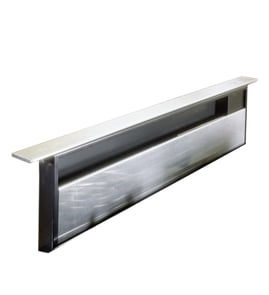



What is the ERV30 spelling?
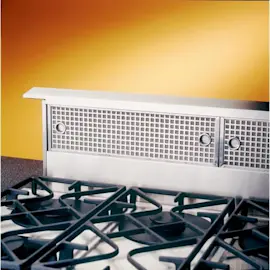
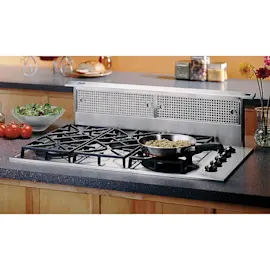
ERV30 is spelled E-R-V-3-0 as a Dacor model number; the “30” indicates a 30-inch wide downdraft raised vent (ERV style top cap). For writing the number by itself in English, 30 is spelled thirty.
What ERV30 means on your Dacor downdraft vent
In Dacor’s model identification, ERV30 = 30-inch wide raised vent with an ERV style top cap. This helps you match the correct installation specs and replacement parts to your exact vent system.
- ERV: series/style identifier (ERV top cap style)
- 30: nominal width in inches
- Used to match: cutout planning, chassis width, and parts diagrams
- Common related models: ERV36, ERV48 (different widths)
- Best practice: confirm the model on the product data label before ordering parts
Quick reference: “30” in words vs. in model numbers
| You’re writing… | Correct format | Example |
|---|---|---|
| The model number | ERV30 | “Dacor ERV30 downdraft vent” |
| The number in words | thirty | “a thirty-inch vent” |
| The measurement | 30-inch | “30-inch wide” |
Why it matters
Using the exact model number ERV30 prevents ordering the wrong components (like a plenum, sleeve, or filter support) and ensures you follow the correct electrical and dimensional requirements during installation.
For model-specific dimensions and installation requirements, use the installation guide.
Last updated: February 2026
How does a downdraft ventilation system work?
A downdraft ventilation system like the Dacor ERV30 pulls cooking smoke, steam, and odors sideways across the cooktop surface and down into an intake, then moves that air through ductwork to an approved remote or in-line blower for exhausting outside (or through a configured vent path per the installation setup). Refer to the installation guide for venting and duct planning details.
What’s happening inside the vent
- The vent raises to its operating position when powered on.
- Air is drawn into the intake once the vent is up.
- A variable speed control changes how strongly it pulls air.
- Airflow is routed through the vent’s internal passages (plenum area) into the duct run.
- The duct run connects to a remote or in-line blower that turns on with the vent.
Venting and ductwork basics (what affects performance)
Downdraft systems are sensitive to duct layout. For best capture and airflow, we follow these practical rules from the ERV-series installation requirements:
- Keep the duct run as short as possible.
- Avoid “S” turns or back-to-back elbows.
- Keep about 24 inches of straight duct between multiple elbows when possible.
- Do not use flexible metal duct.
- Do not reduce duct size below the required duct dimensions for the system.
Quick duct layout checklist
| Duct choice | What it does | Typical result |
|---|---|---|
| Short, straight run | Minimizes resistance | Stronger airflow |
| Multiple elbows/transitions | Adds resistance (equivalent length) | Weaker capture |
| Undersized duct | Restricts airflow | Noisy, poor venting |
Why it matters
Downdraft ventilation works best when the vent can move enough air with minimal resistance. A long duct run, tight elbows, or flexible duct can reduce airflow, so smoke and steam linger even if the vent is running.
Related parts that support airflow
If you are servicing the intake path, these model-specific parts are commonly involved:
- Dacor plenum 27803 (air passage component)
- Dacor filter support 36873 (supports the filter area)
Last updated: February 2026
How much does downdraft ventilation cost?
A downdraft ventilation system like the Dacor ERV30 typically costs about $900 to $2,000+ for the vent unit itself, with the final installed price varying based on the blower (CFM rating), ductwork length, and cabinet modifications. Use the installation guide to plan ducting and blower requirements before you buy.
What drives the total cost
- Blower choice and airflow (CFM): higher CFM options usually cost more
- Ductwork complexity: longer runs, multiple turns, and tight cabinet routing add labor and materials
- Venting path: back, bottom, or side discharge changes how much carpentry and ducting is needed
- Electrical work: adding an outlet, conduit, or wiring for a remote/in-line blower
- Parts needed for fit and sealing: brackets, sleeves, plenums, fasteners, and seals
ERV30-SPECIFIC installation cost factors
The ERV/PRV raised vent installation instructions call out items that commonly affect labor and materials:
- Ducting must exhaust to the outside and use metal ductwork
- The vent can be configured to exhaust through the back, bottom, or side
- The layout must stay within the maximum allowable duct run
- The unit uses adjustable anchor legs to fit cabinet heights and must be leveled and secured
- The system requires an approved Dacor remote or in-line blower (only one blower)
Typical cost ranges (quick planning table)
| Cost item | Typical range | Notes |
|---|---|---|
| Downdraft vent unit | $900 to $2,000+ | Model, finish, and features drive price |
| Blower (remote or in-line) | $300 to $1,000+ | Higher CFM typically costs more |
| Ductwork materials | $50 to $300+ | Metal duct, elbows, tape, screws |
| Installation labor | $300 to $1,500+ | Cabinet/duct/electrical complexity matters |
Parts that can add to your total
If you are repairing or completing an installation, these ERV30 parts can affect cost:
Why it matters
Downdraft systems are sensitive to duct layout and blower matching; a higher-priced installation often reflects the work needed to route metal ducting correctly and ensure the vent raises, lowers, and draws air properly.
Last updated: February 2026
What does a dirty ERV30 mean?
On a Dacor ERV30 downdraft ventilation system, “dirty” typically means grease and debris buildup is restricting airflow or interfering with the raised-vent mechanism. Cleaning the filters, intake area, and vent path usually restores normal capture performance and reduces noise. See the cleaning and access details in the ERV30 installation guide.
What “dirty” looks like on an ERV30
Common signs of buildup in a downdraft vent system include:
- Weak smoke or steam capture even on higher fan speeds
- Greasy film on the top cap or around the intake slots
- Rattling, scraping, or vibration as the vent raises or lowers
- Fan sounds louder than normal (air turbulence from restriction)
- Odors that linger after cooking
What to clean first (safe, high-impact steps)
- Turn power off to the vent system before accessing internal areas.
- Remove and clean the grill filter (wash and fully dry before reinstalling).
- Wipe the intake and top cap area to remove sticky grease.
- Check the plenum area for heavy grease deposits and wipe carefully.
- Inspect the exhaust path (back, bottom, or side discharge) for obstruction.
If you find damaged supports or loose hardware while cleaning, replacing the correct mounting pieces helps prevent vibration and misalignment.
Parts that commonly relate to “dirty” symptoms
These parts do not “sense dirt”, but they can be involved when grease buildup causes rubbing, looseness, or poor fit:
- Plenum 27803 (air collection chamber area)
- Filter support 36873 (supports the filter so it seats correctly)
- Downdraft vent spring bracket 13783 (helps maintain proper movement and alignment)
Quick symptom-to-cause guide
| Symptom | Most likely cause | What to do |
|---|---|---|
| Weak airflow | Grease-clogged filter or restricted duct | Clean filter; check duct for blockage |
| Loud airflow noise | Partial restriction | Clean intake and plenum; verify exhaust knockout path is clear |
| Rubbing when moving | Grease plus misalignment | Clean; inspect supports/brackets; replace bent parts |
| Odors linger | Grease deposits in intake/plenum | Deep clean accessible surfaces |
Why it matters
A dirty ERV30 cannot move air efficiently, so smoke and heat stay in the kitchen longer. Restriction also increases strain on the blower system and can make the vent louder during operation.
Last updated: February 2026